.jpeg)
Swapna Kumbar , Bengaluru - President Donald Trump has directed his national security team to prepare contingency plans for an extended naval blockade of Iran, signaling his preference for decisive strategic victories over quick diplomatic exits from the ongoing conflict. Sources familiar with the discussions reveal that Trump views the current Strait of Hormuz standoff as a leverage point against Tehran's nuclear program and regional proxies, despite military advisors warning that none of the available escalation paths guarantee swift resolution.
The order comes after Iran's latest Hormuz first peace proposal offering to reopen the strait and end hostilities while delaying nuclear talks drew a cool response from the White House. Trump, who canceled US envoy travel to Pakistan last week calling it a waste of time, now sees prolonged pressure as the path to force Iranian capitulation on core US demands: verifiable nuclear rollback, missile restrictions, and cessation of proxy support to groups like Hezbollah and the Houthis. Pentagon planners are mapping scenarios for 6-12 months of sustained blockade, including reinforced carrier strike groups, allied burden sharing with Israel and Gulf states, and contingency fuel releases from US strategic reserves to blunt global inflation. Economic advisors caution that extended closure risks $150-200/barrel oil spikes and recession, but Trump reportedly dismisses these as short term pain for longterm gain against what he calls Iran's death cult regime.
Trump's pivot to extended blockade planning rejects off ramps like Iran's phased proposal, betting economic strangulation will break Tehran's nuclear ambitions where diplomacy has faltered. With no clean military victory on offer and global markets jittery, the strategy risks entrenching a war of attrition prolonging uncertainty around the world's energy lifeline.
.jpeg)
Trump cited India’s voter-ID system while backing the SAVE America Act, highlighting differences in voting rules between the two countries.
.jpeg)
A Russian missile strike hit Lakshmi Mittal-linked ArcelorMittal’s steel plant in Ukraine, killing two and injuring several others as the war escalates.
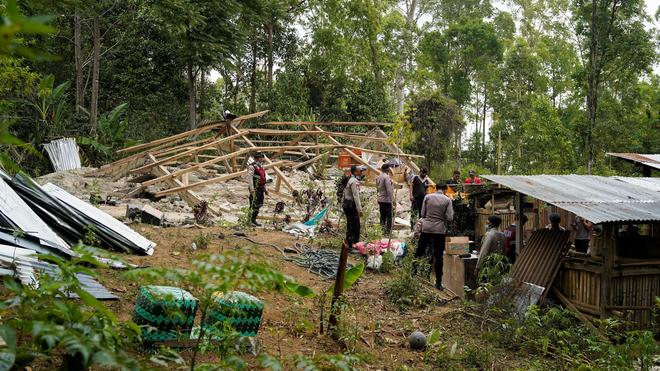
A powerful earthquake in Indonesia has killed 53 people and forced around 5,000 to evacuate, as aftershocks and landslides hamper rescue efforts.

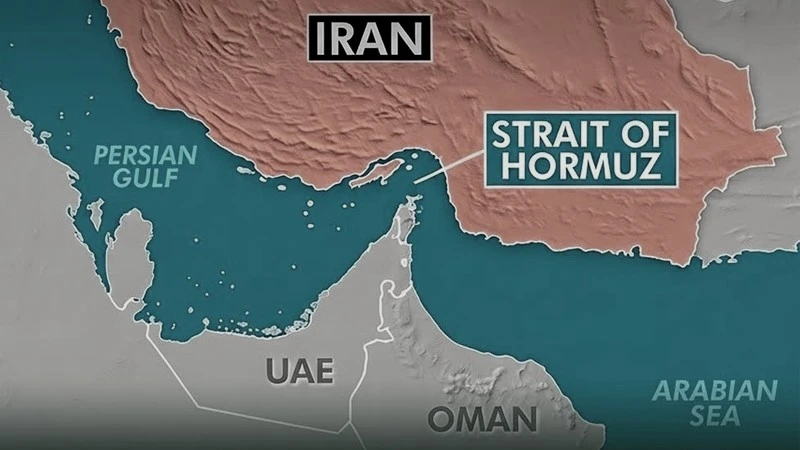
Iran, Oman and the U.S. are reportedly close to a Strait of Hormuz agreement tha...
.jpeg)
Fresh U.S. airstrikes in Iran reportedly killed 14 people, prompting Iranian ret...
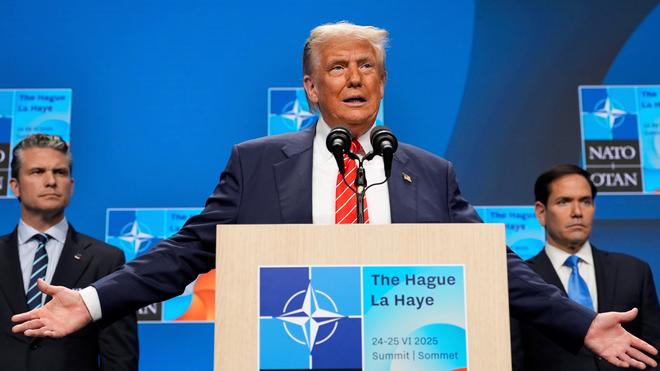
President Donald Trump claimed he is Iran’s “No. 1 target” after security measur...
.jpeg)
Three people were killed in U.S. strikes in western Iran as tensions escalated f...
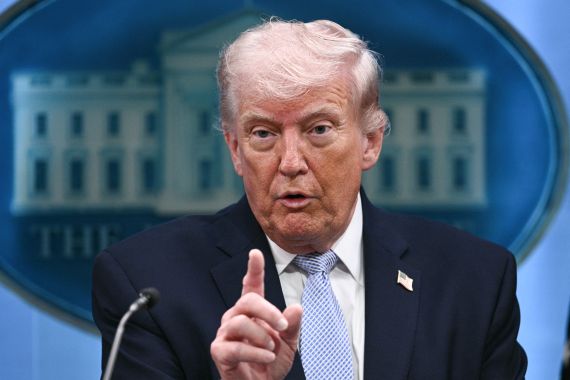
President Donald Trump said the Iran ceasefire is “over” following fresh U.S. st...