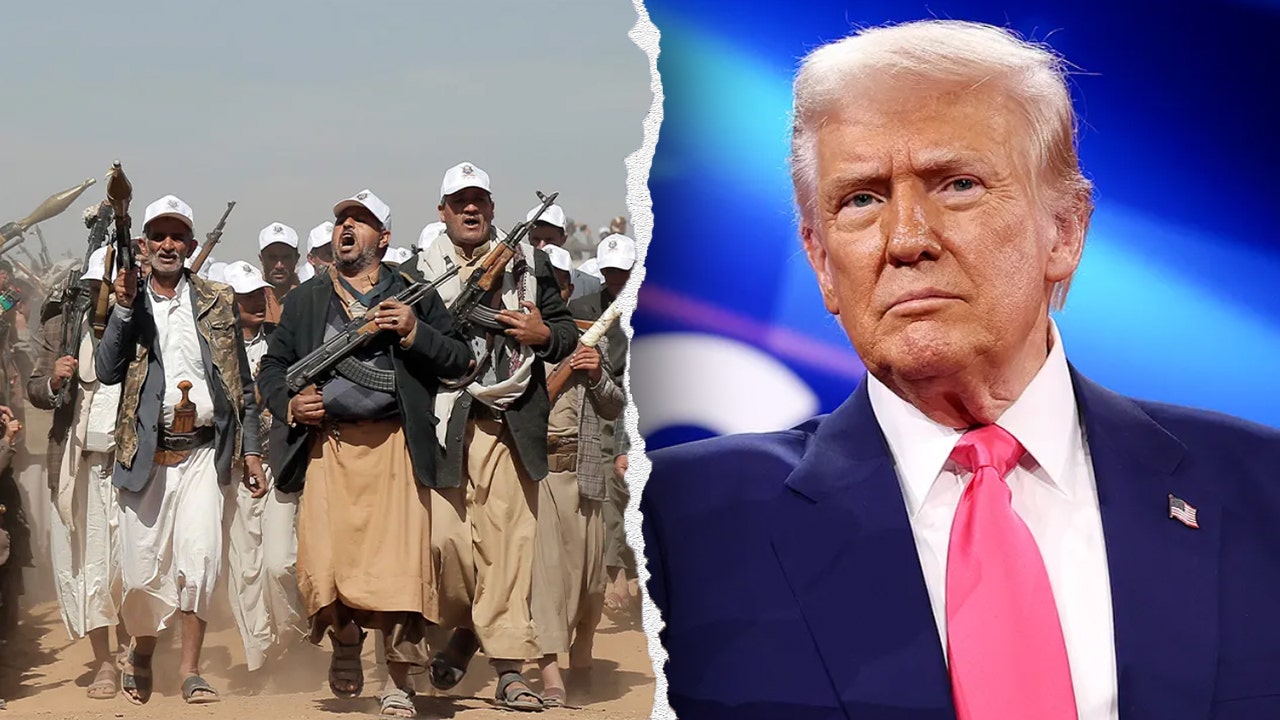
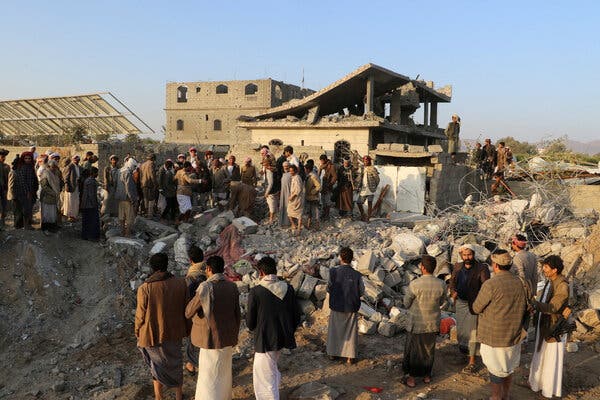
Desk Correspondent , Washington D.C - In a major move to fight global terrorism, President Donald Trump has ordered powerful military strikes against ISIS fighters in Nigeria. The United States military used advanced drones and aircraft to hit secret training camps and hideouts used by the terror group. This sudden attack was part of a new plan to stop the group from growing more powerful in the African region. Government officials stated that the mission was successful and destroyed many important targets used by the militants. The news has drawn worldwide attention to the changing security situation in West Africa.
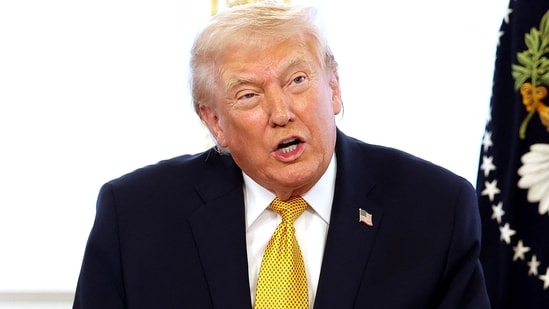
The President expressed his strong disapproval of the terrorist group and its violent actions against innocent people. He made it clear that his administration would not tolerate any threats to safety, even in far-away countries. Speaking about the military action, Trump said, "We have ordered powerful strikes to wipe out the ISIS terrorist scum who bring only pain and destruction." He believes that using strong force is the only way to protect the world from such dangerous groups. He further added, "Our military is the greatest in the world and we will continue to hunt down those who threaten us."
Many international leaders are now discussing how these strikes will affect the ongoing war against terrorism in Africa. While some people support the tough action, others are concerned about how it might impact the local population living near the conflict zones. The Nigerian government is reportedly working with the US to ensure that the area remains stable after the heavy bombing. For now, the US military remains on high alert to prevent any retaliatory attacks from the group. This event marks a significant increase in American military involvement in the region's fight for peace.
.jpeg)
Trump cited India’s voter-ID system while backing the SAVE America Act, highlighting differences in voting rules between the two countries.
.jpeg)
A Russian missile strike hit Lakshmi Mittal-linked ArcelorMittal’s steel plant in Ukraine, killing two and injuring several others as the war escalates.
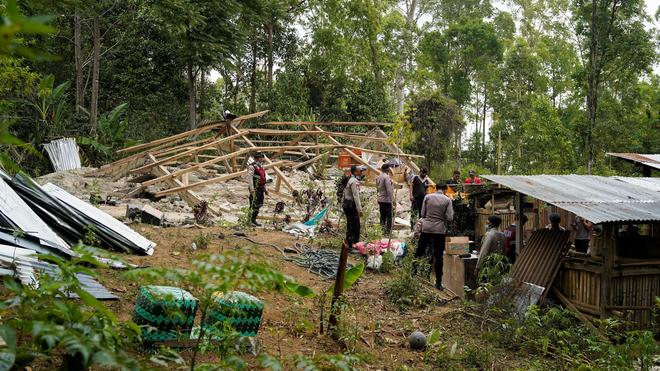
A powerful earthquake in Indonesia has killed 53 people and forced around 5,000 to evacuate, as aftershocks and landslides hamper rescue efforts.

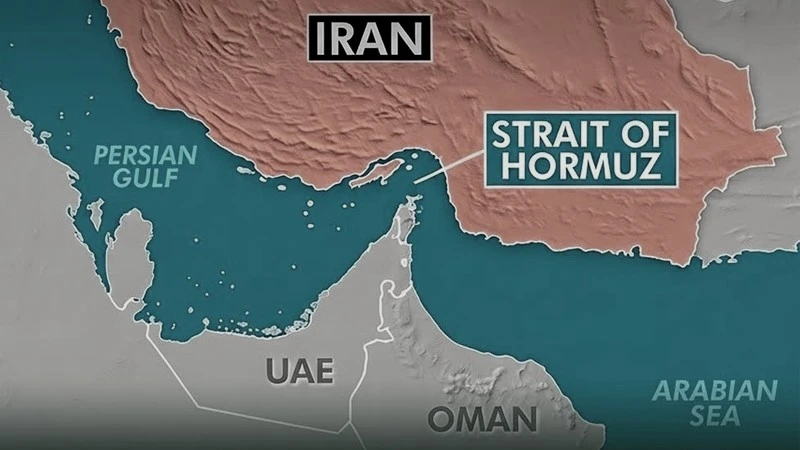
Iran, Oman and the U.S. are reportedly close to a Strait of Hormuz agreement tha...
.jpeg)
Fresh U.S. airstrikes in Iran reportedly killed 14 people, prompting Iranian ret...
President Donald Trump claimed he is Iran’s “No. 1 target” after security measur...
.jpeg)
Three people were killed in U.S. strikes in western Iran as tensions escalated f...
President Donald Trump said the Iran ceasefire is “over” following fresh U.S. st...