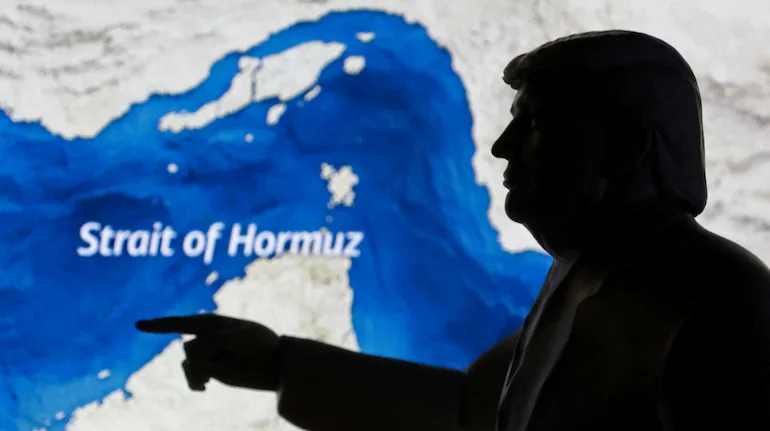
Desk Correspondent , Washington DC - President Donald Trump has issued a tightly timed ultimatum, demanding that Iran reopen the Strait of Hormuz by Tuesday evening at 20:00 Eastern Time (01:00 BST Wednesday), or face devastating US strikes on its power plants and bridges. In a new round of social‑media posts and interviews, Trump set the clearest, hour‑specific deadline yet in the Hormuz crisis, declaring that if Iran does not comply, “they won’t have any power plants and they won’t have any bridges standing”.
Trump has publicly pinned the expiry on Tuesday at 8:00 p.m. ET, tying the order directly to Iran’s control of the critical chokepoint through which a large share of the world’s oil and gas passes. In a colourful and expletive‑filled Truth Social message, he branded what he called “Power Plant Day, and Bridge Day,” and warned Tehran that its civilians would “be living in hell” if the strait remains closed past his deadline. The US president has framed the move as a last chance push to force Iran into concessions without a full‑scale ground invasion, while simultaneously ramping up pressure on global energy and shipping markets. Iranian officials have dismissed the threat as bluster and emotional, with senior military figures calling Trump’s language “helpless, nervous, unbalanced and stupid,” even as they maintain that the Strait of Hormuz will reopen only after compensation and a legal framework are agreed.
Financial markets are on edge, with traders bracing for either a last‑minute diplomatic deal or a fresh wave of punitive strikes on Iranian power stations, bridges, and other infrastructure, which could disrupt regional electricity supplies and further spike global fuel prices. As the Tuesday night deadline ticks down, the world is watching to see whether Trump’s hard line “hell‑will‑rain‑down” rhetoric translates into new military action, making the Strait of Hormuz one of the most volatile flashpoints in the ongoing Iran‑US‑Israel war.
.jpeg)
Trump cited India’s voter-ID system while backing the SAVE America Act, highlighting differences in voting rules between the two countries.
.jpeg)
A Russian missile strike hit Lakshmi Mittal-linked ArcelorMittal’s steel plant in Ukraine, killing two and injuring several others as the war escalates.
A powerful earthquake in Indonesia has killed 53 people and forced around 5,000 to evacuate, as aftershocks and landslides hamper rescue efforts.

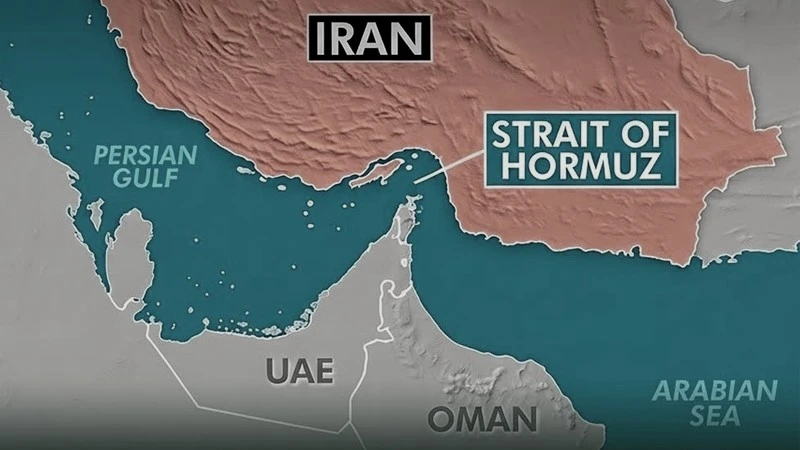
Iran, Oman and the U.S. are reportedly close to a Strait of Hormuz agreement tha...
.jpeg)
Fresh U.S. airstrikes in Iran reportedly killed 14 people, prompting Iranian ret...
President Donald Trump claimed he is Iran’s “No. 1 target” after security measur...
.jpeg)
Three people were killed in U.S. strikes in western Iran as tensions escalated f...
President Donald Trump said the Iran ceasefire is “over” following fresh U.S. st...