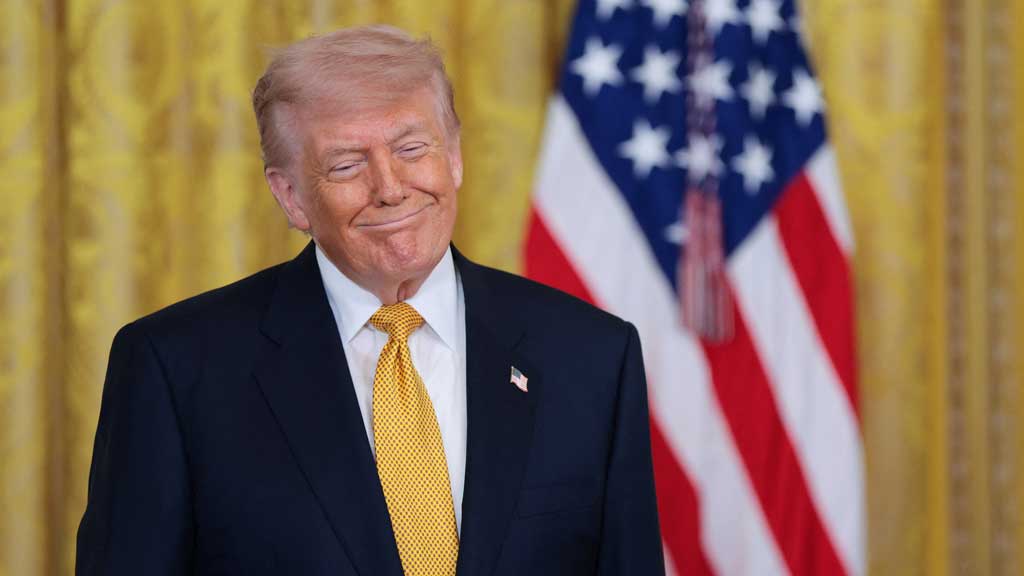
Swapna Kumbar , Bengaluru - U.S. President Donald Trump has signaled that the war with Iran could end quickly, as Tehran scrutinizes a new American peace initiative aimed at formally concluding hostilities while leaving key demands such as nuclear curbs and freedom of navigation in the Strait of Hormuz unresolved. Iran’s foreign ministry has acknowledged receiving Washington’s plan, reportedly channelled through Pakistan, and has said it is weighing the proposal in light of its own 14‑point peace roadmap, which insists on an immediate end to military operations, the lifting of the U.S. naval blockade on Iranian ports, and a strict 30 day window for reaching a deal.
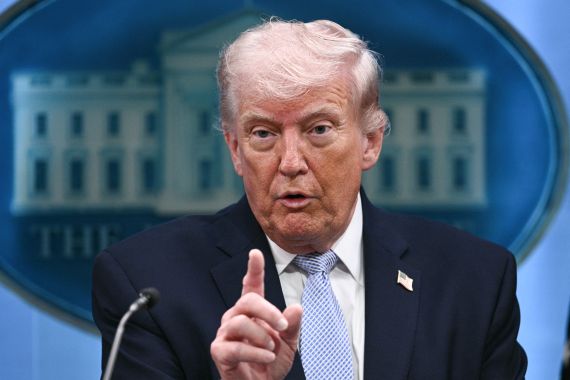
According to sources familiar with the talks, the US plan would officially terminate active hostilities but stop short of settling core disagreements, including Iran’s nuclear activities and the legal status of the Strait of Hormuz, which remains a strategic chokepoint for global oil flows. Trump, speaking from the Oval Office, told reporters that negotiations have been very productive over the past day and suggested that an agreement could be finalized quickly, reinforcing his repeated message that he wants a fast, visible end to the conflict that began in late February.
Iranian officials, however, have struck a cautious tone, with lawmakers and security committee figures describing the US proposal as a wish list rather than a realistic compromise. Tehran continues to insist that any agreement must include guarantees against future military actions, the withdrawal of US forces from nearby regions, and the release of Iranian assets frozen abroad, while ruling out separate nuclear deal talks for the time being. The Revolutionary Guard has also warned that Washington faces either an impossible military scenario or a diplomatically unpalatable deal, underscoring the high stakes standoff even as both sides publicly float the possibility of a swift end to the war.
With Iran reviewing the US peace proposal and Trump publicly betting on a rapid conclusion, the coming days could determine whether the Middle East witnesses a genuine ceasefire or another round of diplomatic brinkmanship. For now, the region remains on edge, as even the talk of a near term deal clashes with the deep‑seated mistrust and maximalist demands on both sides.
.jpeg)
Trump cited India’s voter-ID system while backing the SAVE America Act, highlighting differences in voting rules between the two countries.
.jpeg)
A Russian missile strike hit Lakshmi Mittal-linked ArcelorMittal’s steel plant in Ukraine, killing two and injuring several others as the war escalates.
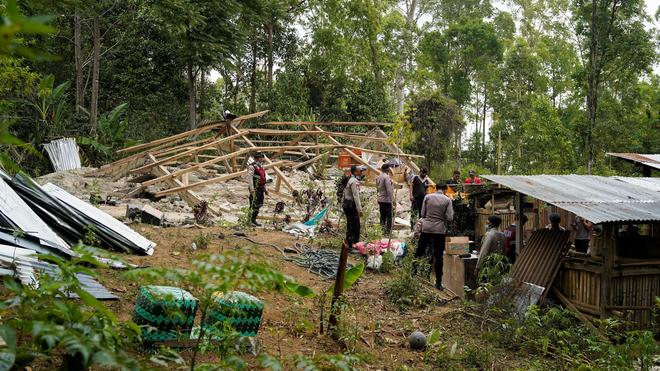
A powerful earthquake in Indonesia has killed 53 people and forced around 5,000 to evacuate, as aftershocks and landslides hamper rescue efforts.

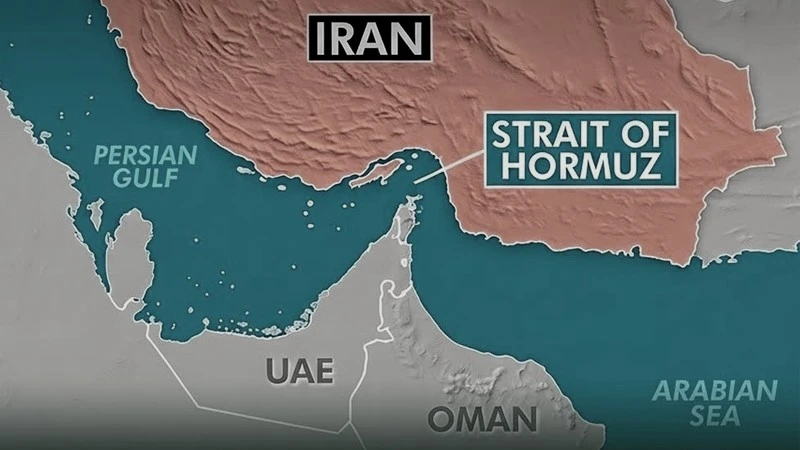
Iran, Oman and the U.S. are reportedly close to a Strait of Hormuz agreement tha...
.jpeg)
Fresh U.S. airstrikes in Iran reportedly killed 14 people, prompting Iranian ret...
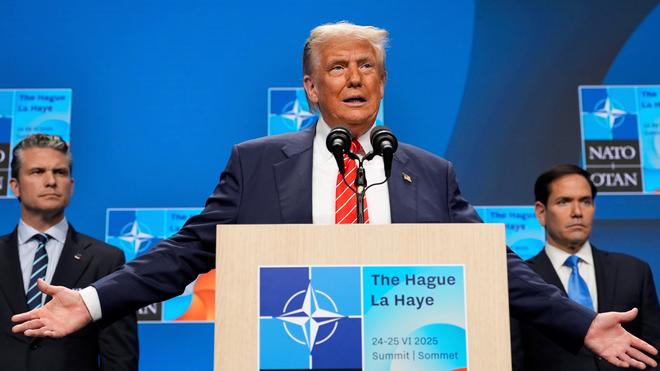
President Donald Trump claimed he is Iran’s “No. 1 target” after security measur...
.jpeg)
Three people were killed in U.S. strikes in western Iran as tensions escalated f...
President Donald Trump said the Iran ceasefire is “over” following fresh U.S. st...