
Desk Correspondent , Washington D.C - In one of the most drastic shifts in global diplomacy to date, President Donald Trump has issued a directive for the United States to withdraw from 66 international organizations and agreements. The comprehensive list includes the United Nations Framework Convention on Climate Change (UNFCCC), effectively severing U.S. participation in the Paris Agreement for a second time. The executive order, aimed at "reclaiming American sovereignty and wealth," signals a near-total retreat from multilateral cooperation on environmental, social, and economic fronts.
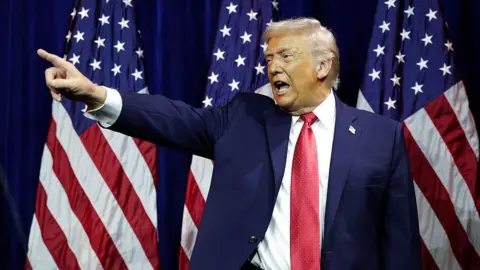
Beyond climate pacts, the directive reportedly targets various UN-affiliated bodies and regional alliances that the administration deems "wasteful" or "anti-American." The President argued that U.S. taxpayers have for too long subsidized organizations that undermine American industry and ignore the country's national interests. By withdrawing from these 66 entities, the administration intends to redirect billions of dollars in annual dues and voluntary contributions toward domestic infrastructure and border security projects.
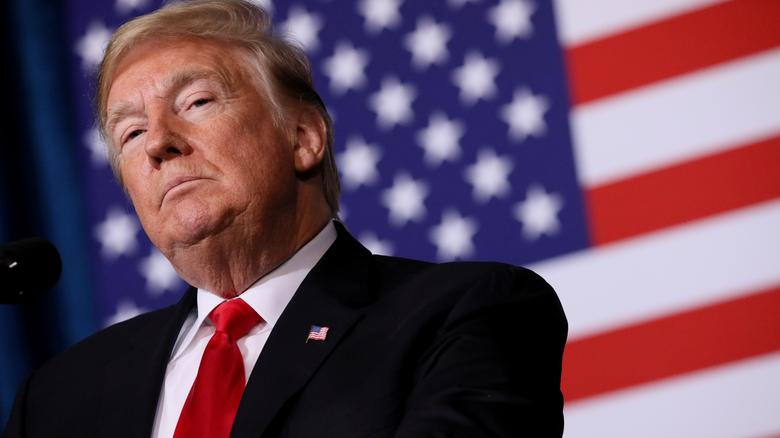
The international community has reacted with shock and condemnation, with European and Asian leaders warning that a U.S. exit on this scale creates a "dangerous vacuum" in global governance. Environmental advocates have expressed particular dismay, noting that the withdrawal from the UN Climate Convention occurs at a critical juncture for global temperature targets. As the State Department begins the formal process of notification for these exits, the move is expected to trigger a cascade of legal and diplomatic challenges both at home and abroad, potentially redefining the United States’ role on the world stage for decades to come.
.jpeg)
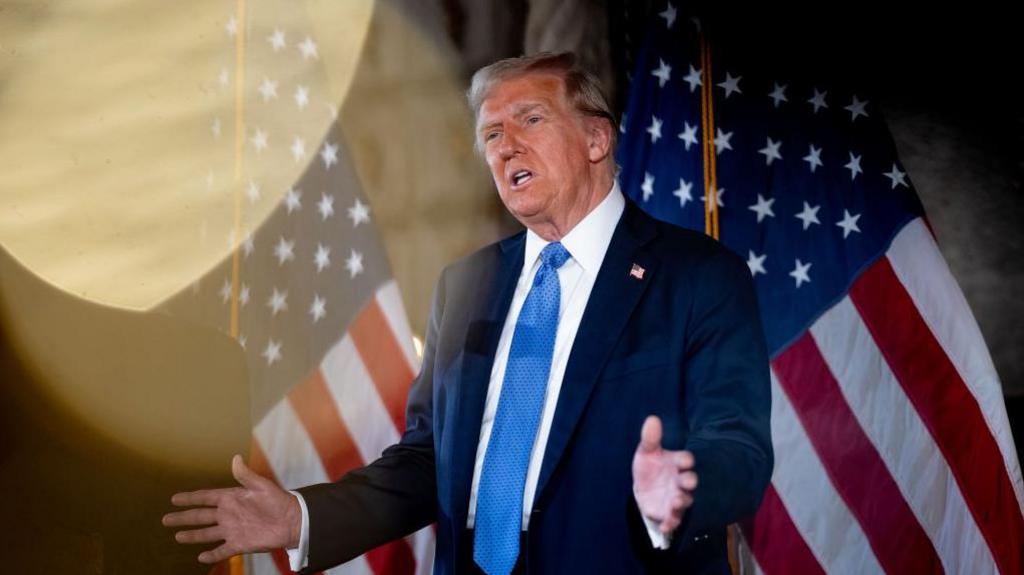
Trump cited India’s voter-ID system while backing the SAVE America Act, highlighting differences in voting rules between the two countries.
.jpeg)
A Russian missile strike hit Lakshmi Mittal-linked ArcelorMittal’s steel plant in Ukraine, killing two and injuring several others as the war escalates.

A powerful earthquake in Indonesia has killed 53 people and forced around 5,000 to evacuate, as aftershocks and landslides hamper rescue efforts.

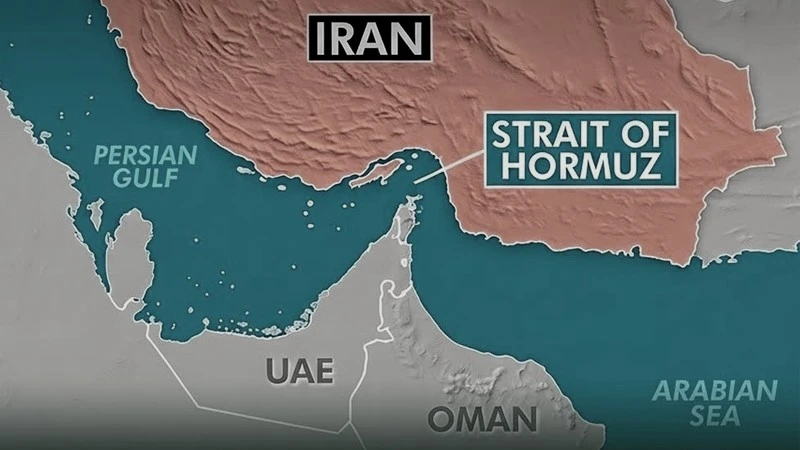
Iran, Oman and the U.S. are reportedly close to a Strait of Hormuz agreement tha...
.jpeg)
Fresh U.S. airstrikes in Iran reportedly killed 14 people, prompting Iranian ret...
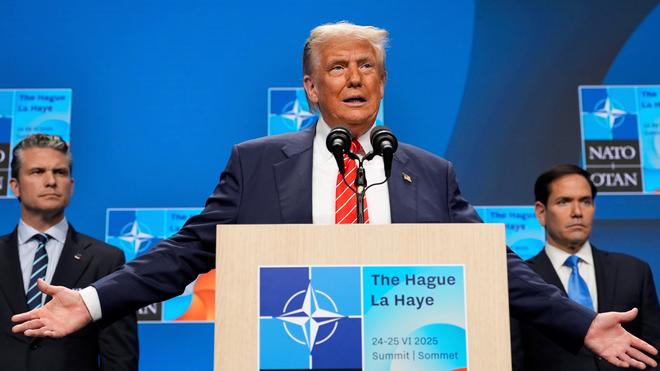
President Donald Trump claimed he is Iran’s “No. 1 target” after security measur...
.jpeg)
Three people were killed in U.S. strikes in western Iran as tensions escalated f...
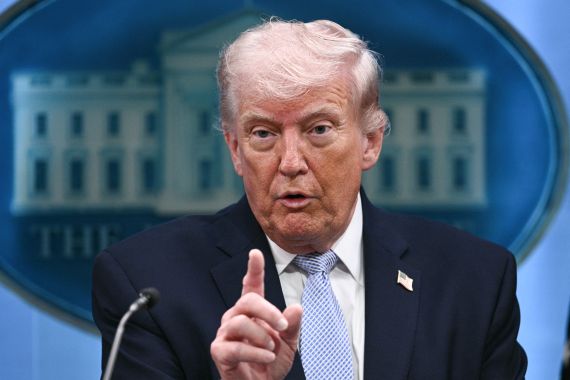
President Donald Trump said the Iran ceasefire is “over” following fresh U.S. st...