.png)
Desk Correspondent , Delhi - In a swift but profoundly consequential visit to New Delhi on Tuesday, January 20, 2026, UAE President Sheikh Mohamed bin Zayed Al Nahyan (MBZ) and Prime Minister Narendra Modi significantly elevated the India-UAE partnership. The centerpiece of the three-hour working visit was a powerful joint condemnation of global terrorism. Both leaders issued a scathing rebuke of "terror financers" and those who provide "sanctuaries" for extremist groups, a statement widely interpreted in diplomatic circles as a direct warning to state actors fueling regional instability.
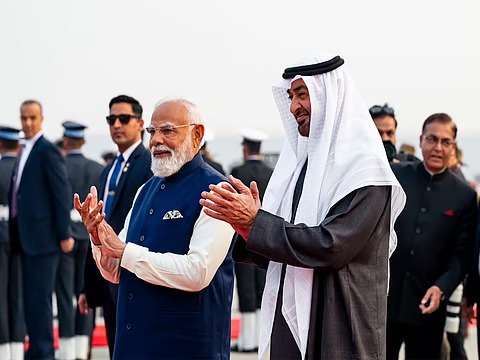
Beyond the rhetoric, the leaders moved to operationalize their security vision by signing a landmark Comprehensive Defense Pact. This agreement expands cooperation from mere military exercises to joint defense manufacturing and high-level intelligence sharing, particularly in the maritime domain. "Our bond is more than just strategic; it is a shared commitment to a stable and prosperous 21st century," PM Modi stated, underscoring the shift toward making India and the UAE the dual anchors of security in the Indian Ocean and Gulf regions.
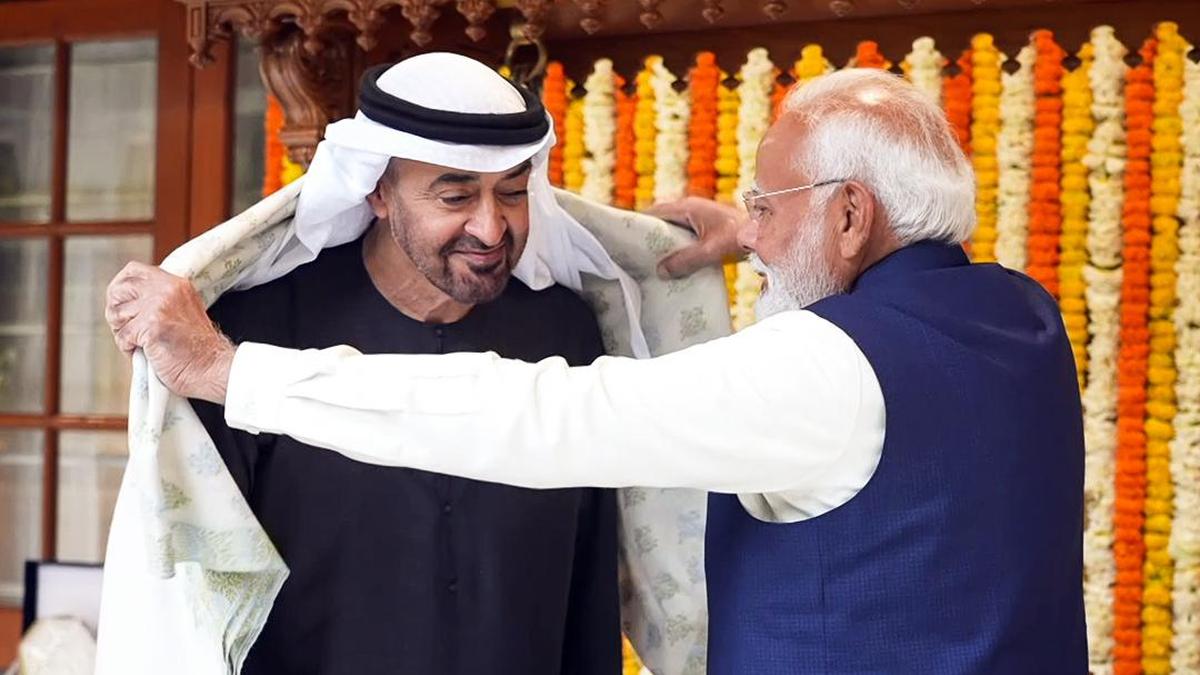
The visit also served as a critical briefing on the "Board of Peace"—a U.S.-backed initiative for the post-conflict administration of Gaza. Sources indicate that India and the UAE coordinated their roles as mediators and rebuilding partners within this framework. As the UAE President departed, the buzz in New Delhi centered on how this "brief yet bold" visit has effectively locked in the India-Middle East-Europe Economic Corridor (IMEC) as a reality, positioning the India-UAE axis as an unbreakable wall against both economic fragmentation and radicalized violence.
.jpeg)
Trump cited India’s voter-ID system while backing the SAVE America Act, highlighting differences in voting rules between the two countries.
.jpeg)
A Russian missile strike hit Lakshmi Mittal-linked ArcelorMittal’s steel plant in Ukraine, killing two and injuring several others as the war escalates.
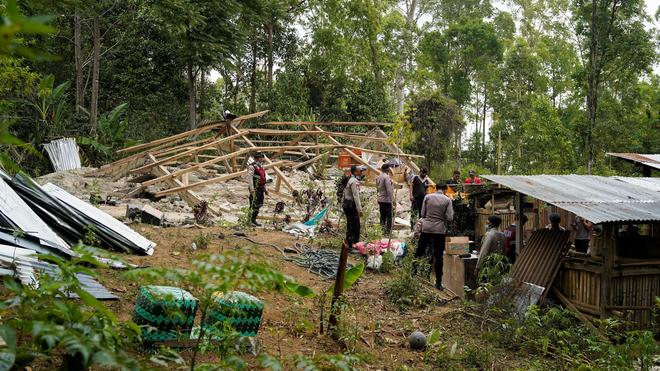
A powerful earthquake in Indonesia has killed 53 people and forced around 5,000 to evacuate, as aftershocks and landslides hamper rescue efforts.

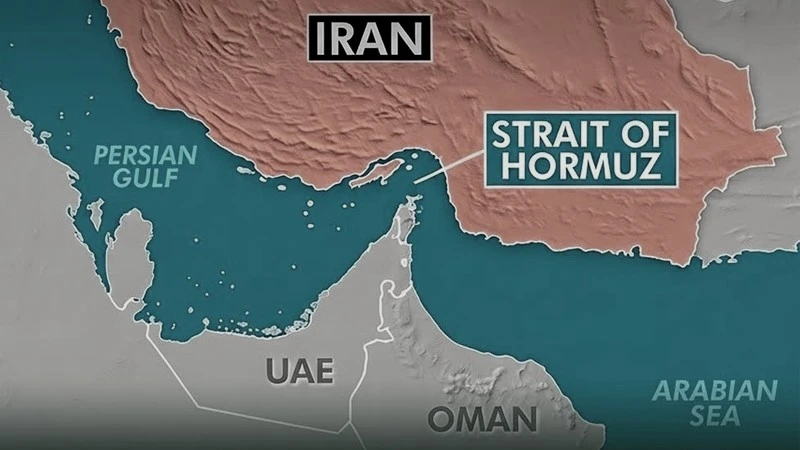
Iran, Oman and the U.S. are reportedly close to a Strait of Hormuz agreement tha...
.jpeg)
Fresh U.S. airstrikes in Iran reportedly killed 14 people, prompting Iranian ret...
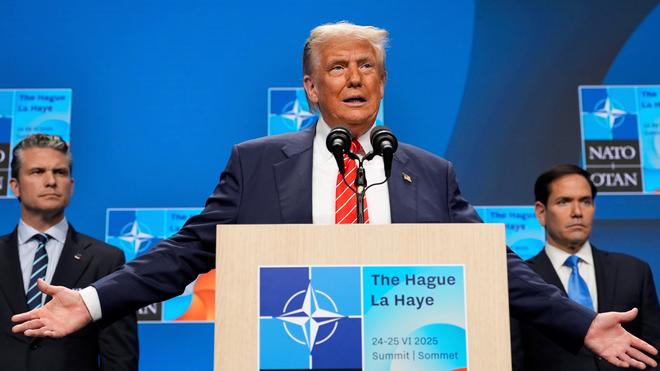
President Donald Trump claimed he is Iran’s “No. 1 target” after security measur...
.jpeg)
Three people were killed in U.S. strikes in western Iran as tensions escalated f...
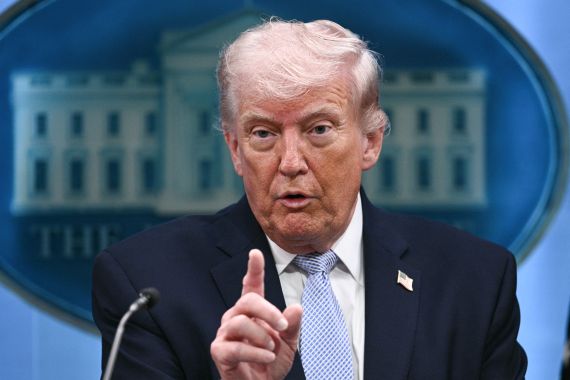
President Donald Trump said the Iran ceasefire is “over” following fresh U.S. st...