
Desk Correspondent , Tokyo - A Japanese court has sentenced Tetsuya Yamagami to life in prison for the 2022 assassination of former Prime Minister Shinzo Abe, a crime that stunned the nation and exposed deep-seated ties between high-level politics and the Unification Church. The Nara District Court delivered the verdict on Wednesday, January 21, 2026, following a high-stakes trial that focused as much on the defendant's mental state and motives as it did on the security lapses that allowed the shooting to occur.

Yamagami, 45, was found guilty of murder and violating the Firearms and Swords Control Act. During the proceedings, the prosecution argued for the maximum penalty, describing the broad-daylight shooting with a handmade firearm as a "heinous act that shook the foundations of democracy." While the defense sought a lighter sentence by highlighting Yamagami’s troubled upbringing and his mother’s ruinous donations to the Unification Church—which the defendant claimed was the ultimate target of his grievance—the judges ruled that "personal resentment does not justify a cold-blooded, premeditated execution."

The sentencing marks the conclusion of a legal process that has fundamentally altered the Japanese political landscape. The revelations sparked by the case led to a nationwide crackdown on the "Moonies" and a massive cabinet reshuffle under Prime Minister Fumio Kishida. "While the court acknowledged the tragic background of the defendant’s family, it ultimately prioritized the sanctity of the law and the safety of public officials," a legal analyst noted. As Yamagami begins his life sentence, the case remains a somber reminder of the vulnerabilities within Japan's once-perceived "impregnable" security apparatus.

.jpeg)
Trump cited India’s voter-ID system while backing the SAVE America Act, highlighting differences in voting rules between the two countries.
.jpeg)
A Russian missile strike hit Lakshmi Mittal-linked ArcelorMittal’s steel plant in Ukraine, killing two and injuring several others as the war escalates.
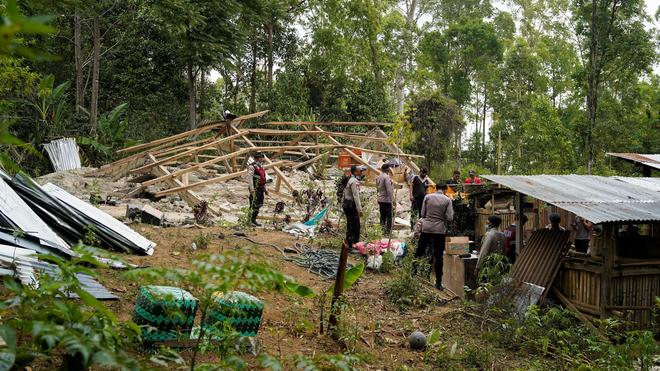
A powerful earthquake in Indonesia has killed 53 people and forced around 5,000 to evacuate, as aftershocks and landslides hamper rescue efforts.

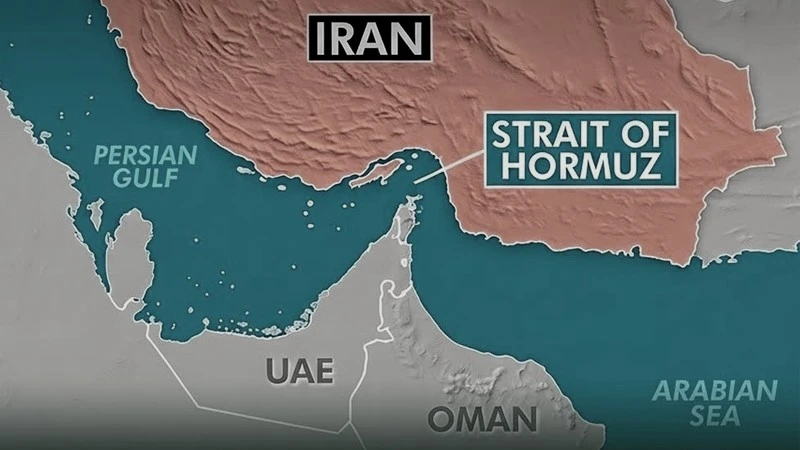
Iran, Oman and the U.S. are reportedly close to a Strait of Hormuz agreement tha...
.jpeg)
Fresh U.S. airstrikes in Iran reportedly killed 14 people, prompting Iranian ret...

President Donald Trump claimed he is Iran’s “No. 1 target” after security measur...
.jpeg)
Three people were killed in U.S. strikes in western Iran as tensions escalated f...

President Donald Trump said the Iran ceasefire is “over” following fresh U.S. st...