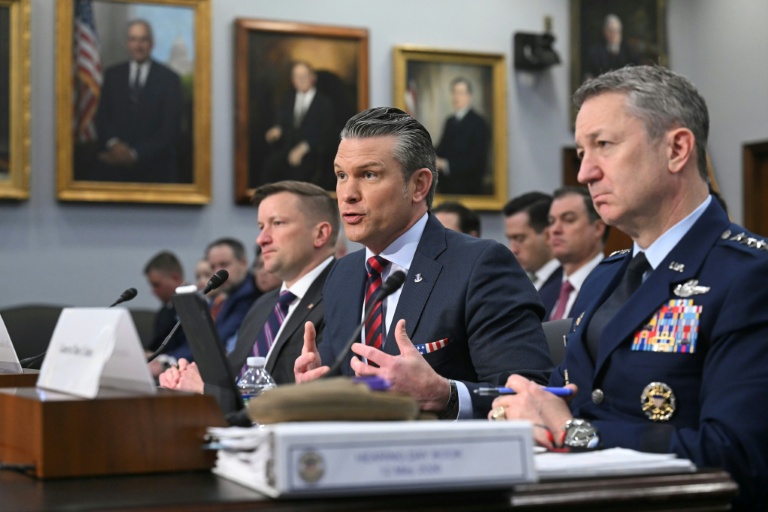
Swapna Kumbar , Bengaluru - The financial and political pressure surrounding the Iran conflict intensified after the Pentagon revealed that the United States has spent nearly $29 billion on military operations linked to the war. The updated estimate, disclosed during a congressional budget hearing, came as President Donald Trump defended the ongoing campaign despite rising inflation, higher fuel prices, and growing concerns over the economic impact on American households. Trump argued that stopping Iran from developing nuclear weapons remains the administration’s top priority, even if it causes economic pain at home.
Pentagon officials told lawmakers that the latest estimate represents a sharp increase from the previous $25 billion figure announced less than two weeks ago. According to Defense Department comptroller Jules Hurst III, the rising costs are linked to expanded operational expenses, repair and replacement of damaged military equipment, munitions spending, and maintaining US forces across the Middle East. Officials warned the overall price tag could continue to rise as the Pentagon still has not completed a full assessment of damage to American bases and infrastructure targeted during the conflict.
Some analysts estimate the broader economic toll, including inflation, disrupted trade routes, and energy market instability, could eventually reach hundreds of billions of dollars. Despite mounting criticism, Trump dismissed suggestions that economic pressure should influence negotiations with Tehran. Speaking before departing for China, he said Americans’ financial struggles were “not even a little bit” part of his calculations, insisting that “the only thing that matters” is ensuring Iran never acquires a nuclear weapon. His remarks have sparked concern among some Republicans and economic analysts who fear the prolonged conflict could damage the US economy ahead of key elections. Meanwhile, energy prices continue fluctuating due to instability around the Strait of Hormuz, one of the world’s most critical oil shipping routes.
The rising financial cost of the Iran war is becoming an increasingly significant issue for the Trump administration as military spending, inflation, and geopolitical uncertainty continue to affect the global economy. While the White House insists national security outweighs short-term economic pain, critics warn that prolonged conflict without a clear resolution could deepen both political and financial pressures in the months ahead.
.jpeg)
Trump cited India’s voter-ID system while backing the SAVE America Act, highlighting differences in voting rules between the two countries.
.jpeg)
A Russian missile strike hit Lakshmi Mittal-linked ArcelorMittal’s steel plant in Ukraine, killing two and injuring several others as the war escalates.

A powerful earthquake in Indonesia has killed 53 people and forced around 5,000 to evacuate, as aftershocks and landslides hamper rescue efforts.

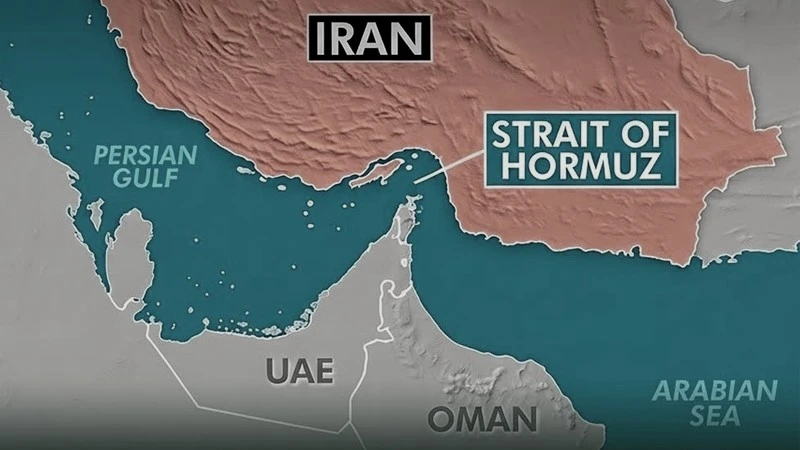
Iran, Oman and the U.S. are reportedly close to a Strait of Hormuz agreement tha...
.jpeg)
Fresh U.S. airstrikes in Iran reportedly killed 14 people, prompting Iranian ret...
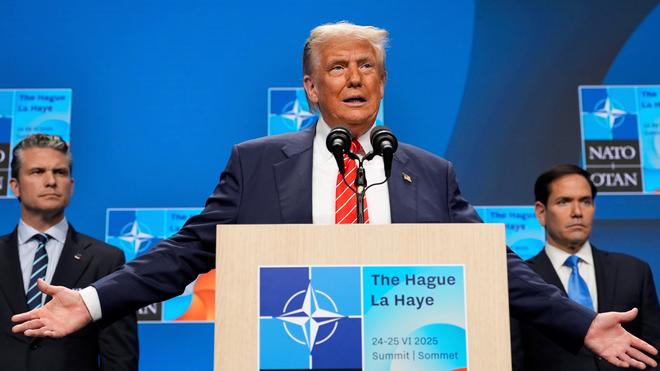
President Donald Trump claimed he is Iran’s “No. 1 target” after security measur...
.jpeg)
Three people were killed in U.S. strikes in western Iran as tensions escalated f...
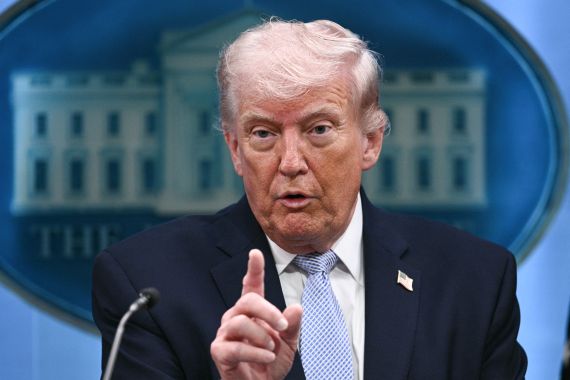
President Donald Trump said the Iran ceasefire is “over” following fresh U.S. st...