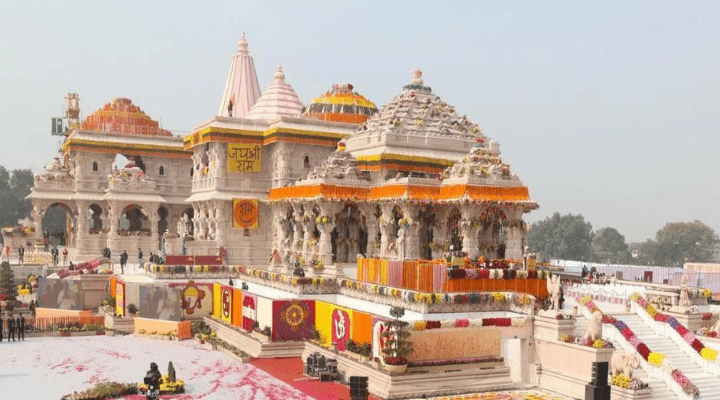
A sharp fight of words has broken out between India's ruling party, the BJP, and Pakistan over the recent flag-hoisting ceremony at the Ram Temple in Ayodhya. After Prime Minister Modi raised the saffron flag, Pakistan quickly released an official statement. In their remarks, they strongly criticized the event, claiming it was an effort to wipe out Muslim history and showed that religious minorities in India are facing pressure. This move by Pakistan instantly created anger among Indian political leaders.
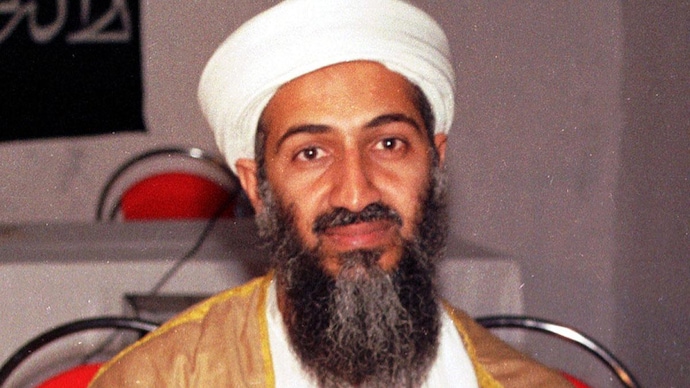
The BJP immediately hit back with very strong words. BJP spokesperson Shehzad Poonawalla attacked Pakistan's statement, saying that Pakistan has no right to speak about the rights of minorities. He compared Pakistan lecturing India on minority rights to "Osama bin Laden preaching about world peace." Poonawalla stressed that Pakistan has a terrible record of treating its own minorities badly, including Hindus, Sikhs, Shias, and others. He also noted that Pakistan chose the day of the 26/11 Mumbai terror attacks to make its comments.
Before the BJP, the Indian government's External Affairs Ministry also dismissed Pakistan's claims. A spokesperson for the Ministry said that Pakistan's words should be rejected completely. They pointed out that a country with such a poor history of treating its own minorities should look at its own problems first, instead of offering advice to others. This political spat shows how sensitive the Ram Temple issue remains in the tense relationship between the two neighbouring nations.
.jpeg)
Trump cited India’s voter-ID system while backing the SAVE America Act, highlighting differences in voting rules between the two countries.
.jpeg)
A Russian missile strike hit Lakshmi Mittal-linked ArcelorMittal’s steel plant in Ukraine, killing two and injuring several others as the war escalates.
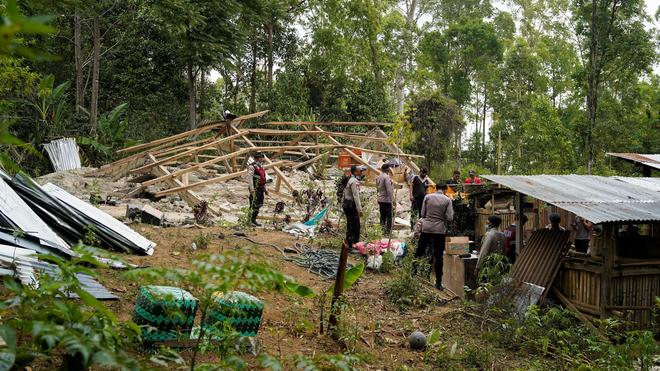
A powerful earthquake in Indonesia has killed 53 people and forced around 5,000 to evacuate, as aftershocks and landslides hamper rescue efforts.

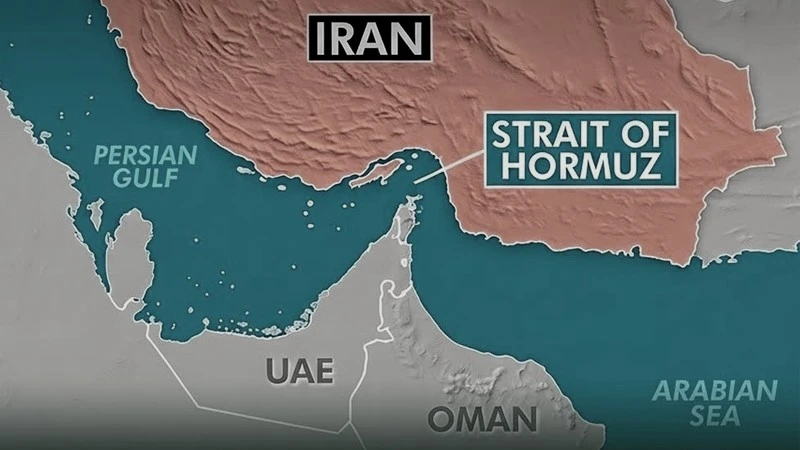
Iran, Oman and the U.S. are reportedly close to a Strait of Hormuz agreement tha...
.jpeg)
Fresh U.S. airstrikes in Iran reportedly killed 14 people, prompting Iranian ret...
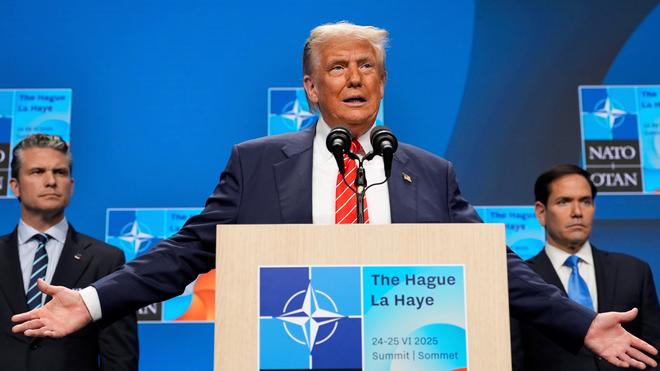
President Donald Trump claimed he is Iran’s “No. 1 target” after security measur...
.jpeg)
Three people were killed in U.S. strikes in western Iran as tensions escalated f...
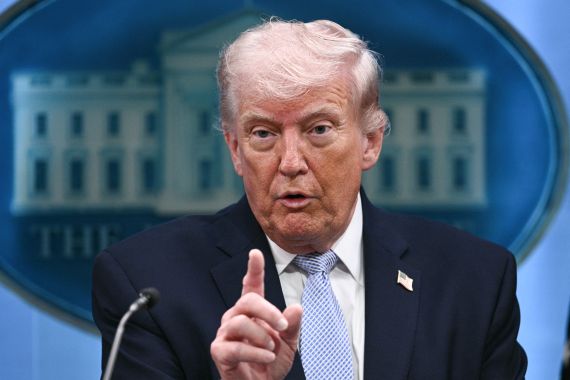
President Donald Trump said the Iran ceasefire is “over” following fresh U.S. st...