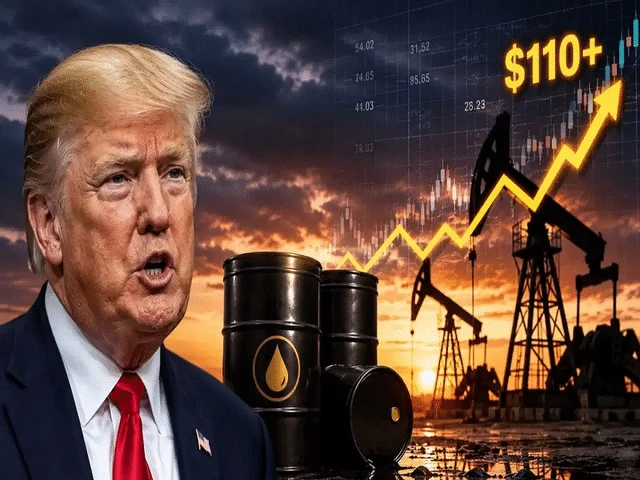
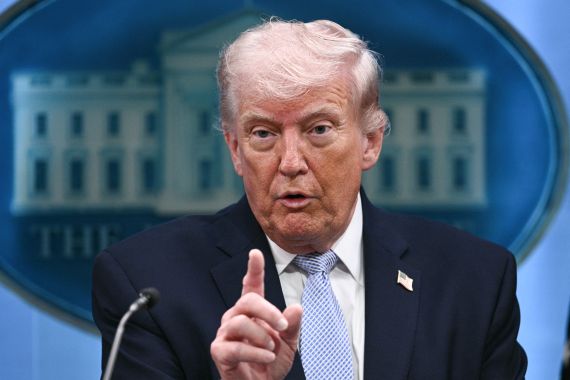
Swapna Kumbar , Bengaluru - Global oil markets showed signs of relief on Wednesday after US President Donald Trump claimed that the ongoing conflict involving Iran could end very quickly, easing immediate fears of a prolonged supply shock. Brent crude and US West Texas Intermediate (WTI) futures both declined for a second straight session as investors reacted positively to signs of possible diplomatic progress between Washington and Tehran. However, analysts warned that markets remain highly volatile due to continuing disruptions in Middle East oil supplies and uncertainty over whether negotiations will actually succeed.
Brent crude futures fell to around $110.83 per barrel, while WTI crude slipped to nearly $103.88 after Trump repeated his claim that the conflict could be resolved rapidly. The market had already reacted earlier after US Vice President JD Vance indicated that Washington and Tehran were making progress in negotiations and neither side wanted renewed military escalation. Despite the decline in prices, energy analysts cautioned that oil markets remain under pressure because supply disruptions linked to the Strait of Hormuz continue to affect global shipments. The strategically critical waterway normally carries nearly one fifth of the world’s oil supply, and tanker traffic through the region remains significantly below normal levels.
Experts also warned that even if a ceasefire or peace deal is reached, oil supplies may not immediately return to pre-war levels due to damaged infrastructure, shipping bottlenecks, and continuing geopolitical uncertainty. Citigroup analysts reportedly projected that Brent crude could still surge toward $120 per barrel if disruptions persist longer than expected. At the same time, falling US crude inventories and ongoing concerns over global fuel demand are keeping traders cautious. The continuing instability has already impacted major economies, including India, where rising oil prices have weakened the rupee and increased import costs.
While Trump’s comments temporarily eased pressure on global oil markets, investors remain wary about the fragile situation in the Middle East and the uncertain future of US-Iran negotiations. Analysts believe oil prices will continue reacting sharply to every diplomatic or military development, with the Strait of Hormuz remaining at the center of global energy concerns.
.jpeg)
Trump cited India’s voter-ID system while backing the SAVE America Act, highlighting differences in voting rules between the two countries.
.jpeg)
A Russian missile strike hit Lakshmi Mittal-linked ArcelorMittal’s steel plant in Ukraine, killing two and injuring several others as the war escalates.
A powerful earthquake in Indonesia has killed 53 people and forced around 5,000 to evacuate, as aftershocks and landslides hamper rescue efforts.

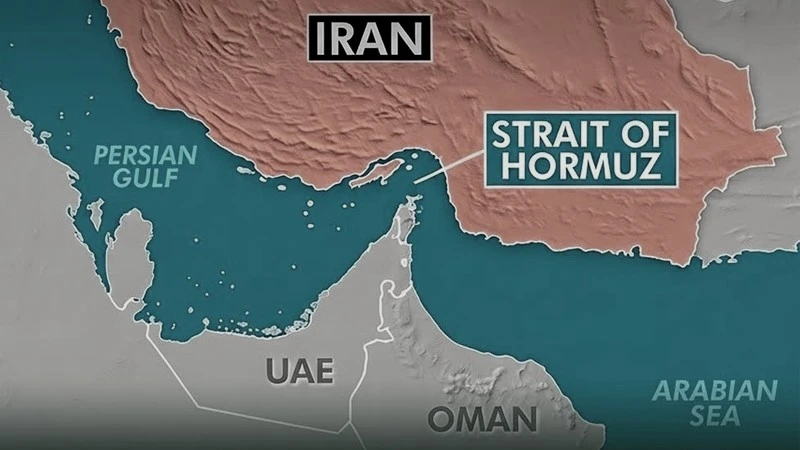
Iran, Oman and the U.S. are reportedly close to a Strait of Hormuz agreement tha...
.jpeg)
Fresh U.S. airstrikes in Iran reportedly killed 14 people, prompting Iranian ret...
President Donald Trump claimed he is Iran’s “No. 1 target” after security measur...
.jpeg)
Three people were killed in U.S. strikes in western Iran as tensions escalated f...
President Donald Trump said the Iran ceasefire is “over” following fresh U.S. st...