
Desk Correspondent , Tehran - As Iran remains gripped by a nationwide internet blackout and violent street battles, a series of striking images has emerged as the defining "new face" of the 2026 uprising. The photographs and short video clips—smuggled out of the country despite the digital crackdown—show young Iranian women calmly lighting cigarettes using the flames from burning portraits of Supreme Leader Ayatollah Ali Khamenei. These images have ignited social media globally, symbolizing a profound psychological shift among the Iranian youth who no longer fear the regime’s most sacred and feared symbols.
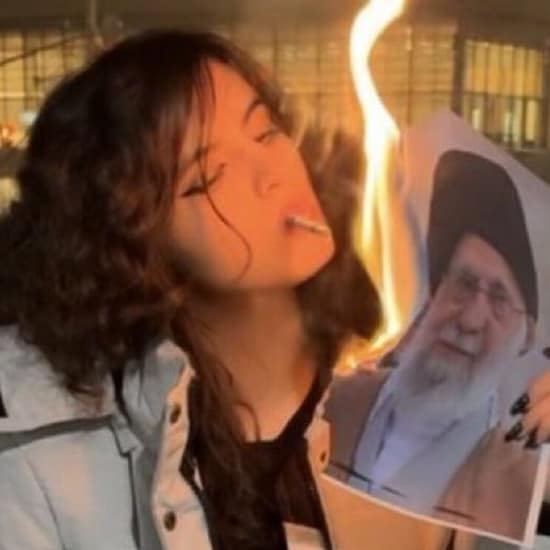
Analysts suggest that these "iconic images" represent more than just a protest against the regime's policies; they signify a total breakdown of the Supreme Leader’s "aura of invincibility." By using his image as a mere fuel for a cigarette, the protesters are signaling an "irreversible disrespect" and a rejection of the theocratic order. "In 2022, it was the burning of the hijab; in 2026, it is the casual desecration of the Supreme Leader himself," noted a Middle East political expert, adding that the "cool defiance" displayed by these women highlights a generation that has reached a point of no return.

The trend has reportedly spread across various cities, from the liberal hubs of Tehran to more conservative provincial towns. Despite the regime's efforts to portray the unrest as "foreign-instigated chaos," the organic and localized nature of these visual protests has made them a potent tool for mobilizing the masses. As the protests continue to escalate following the "war cry" of exiled Prince Reza Pahlavi and the collapse of the Iranian Rial, these images serve as a haunting reminder to the regime that the wall of fear has not just been breached, but entirely dismantled.
.jpeg)
Trump cited India’s voter-ID system while backing the SAVE America Act, highlighting differences in voting rules between the two countries.
.jpeg)
A Russian missile strike hit Lakshmi Mittal-linked ArcelorMittal’s steel plant in Ukraine, killing two and injuring several others as the war escalates.
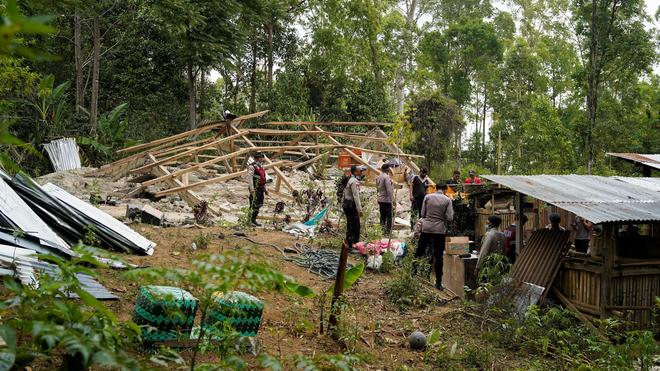
A powerful earthquake in Indonesia has killed 53 people and forced around 5,000 to evacuate, as aftershocks and landslides hamper rescue efforts.

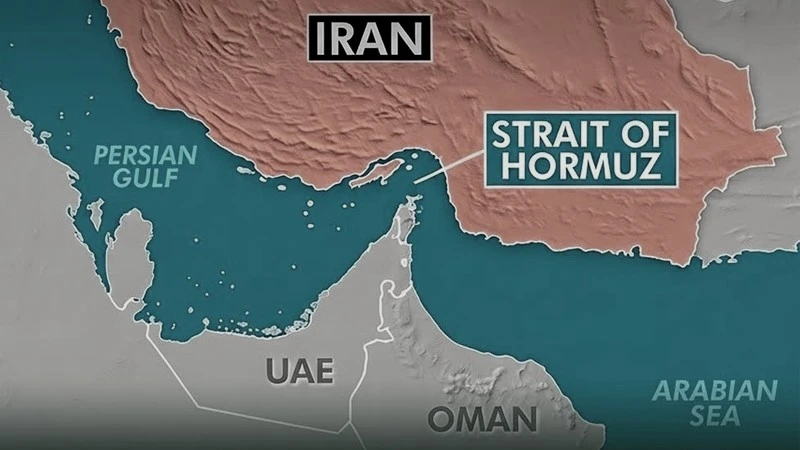
Iran, Oman and the U.S. are reportedly close to a Strait of Hormuz agreement tha...
.jpeg)
Fresh U.S. airstrikes in Iran reportedly killed 14 people, prompting Iranian ret...
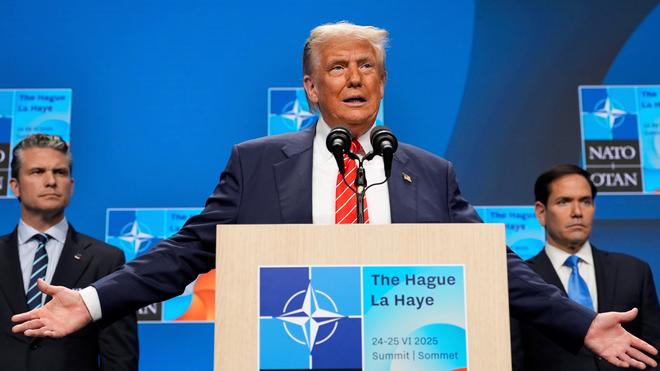
President Donald Trump claimed he is Iran’s “No. 1 target” after security measur...
.jpeg)
Three people were killed in U.S. strikes in western Iran as tensions escalated f...
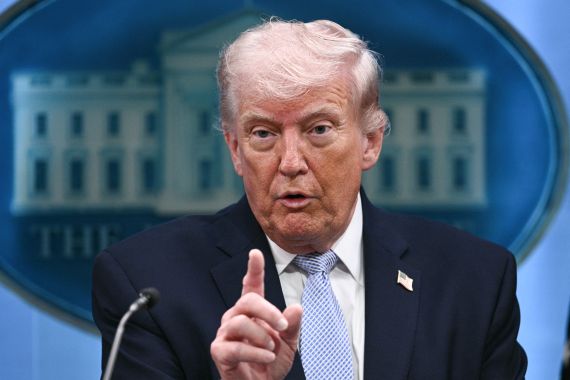
President Donald Trump said the Iran ceasefire is “over” following fresh U.S. st...