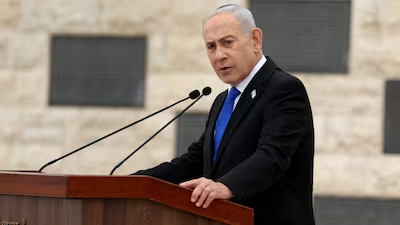
Swapna Kumbar, Bengaluru - Israeli Prime Minister Benjamin Netanyahu has once again highlighted the growing warmth in India-Israel relations, saying Israel receives “crazy love” from India at a time when much of the world, according to him, seeks to “delegitimise” the Jewish state. His remarks come amid heightened global debate over Israel’s military actions and diplomatic standing in the Middle East conflict.
Speaking during a recent interaction, Netanyahu praised India’s public and strategic support for Israel, describing the relationship between the two countries as exceptionally strong. He suggested that despite criticism from several international actors over Israel’s military operations and regional policies, India has maintained close ties with Tel Aviv through diplomatic, economic, technological, and defense cooperation. Netanyahu’s comments also reflect the deepening partnership that has expanded significantly over the past decade in areas such as security, agriculture, innovation, and trade.
The remarks have sparked reactions online and in political circles, with supporters viewing them as recognition of India’s growing global influence and balanced foreign policy approach. Critics, however, argue that India continues to face diplomatic pressure to carefully navigate relations in West Asia, especially while maintaining ties with both Israel and Arab nations. India’s strategic relationship with Israel has strengthened steadily regardless of changing global political dynamics, making the partnership one of the most significant geopolitical alignments in the region.
Netanyahu’s comments underline the increasingly close ties between India and Israel at a time of major geopolitical tensions in West Asia. As global divisions over the Middle East conflict continue, the India-Israel partnership remains an important pillar in both countries’ diplomatic and strategic calculations.
.jpeg)
Trump cited India’s voter-ID system while backing the SAVE America Act, highlighting differences in voting rules between the two countries.
.jpeg)
A Russian missile strike hit Lakshmi Mittal-linked ArcelorMittal’s steel plant in Ukraine, killing two and injuring several others as the war escalates.
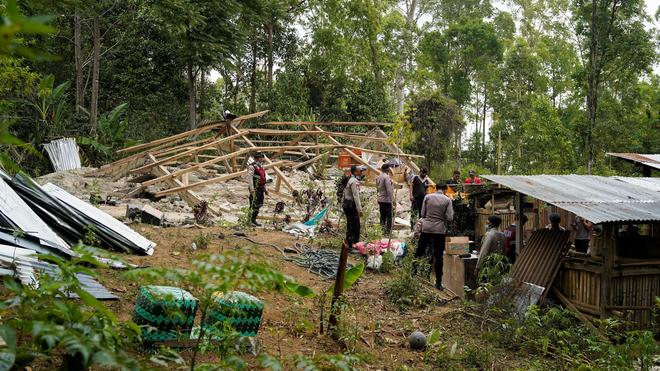
A powerful earthquake in Indonesia has killed 53 people and forced around 5,000 to evacuate, as aftershocks and landslides hamper rescue efforts.

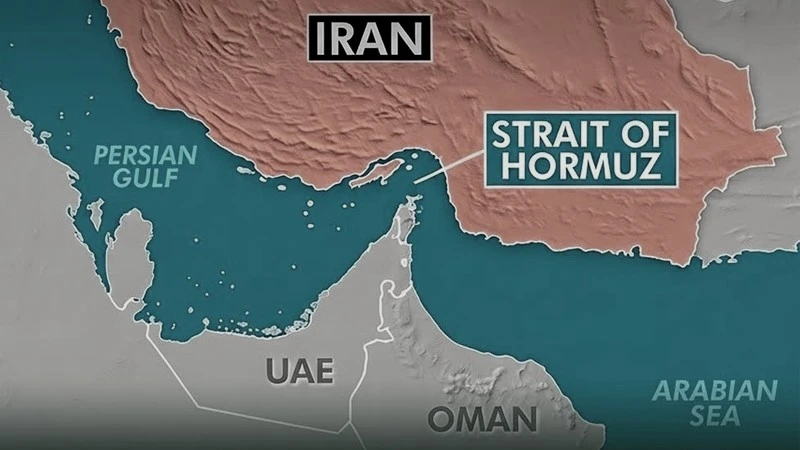
Iran, Oman and the U.S. are reportedly close to a Strait of Hormuz agreement tha...
.jpeg)
Fresh U.S. airstrikes in Iran reportedly killed 14 people, prompting Iranian ret...
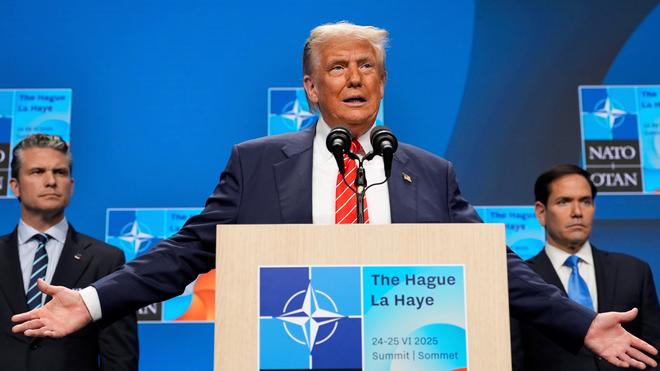
President Donald Trump claimed he is Iran’s “No. 1 target” after security measur...
.jpeg)
Three people were killed in U.S. strikes in western Iran as tensions escalated f...
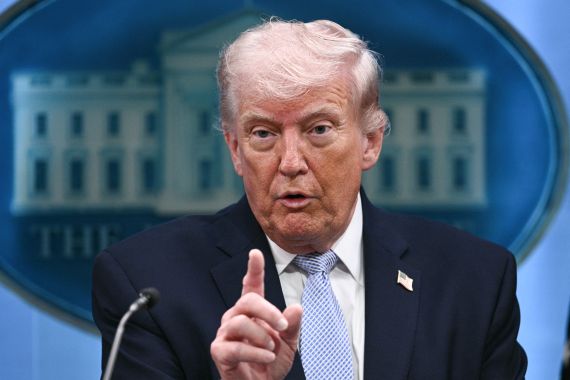
President Donald Trump said the Iran ceasefire is “over” following fresh U.S. st...