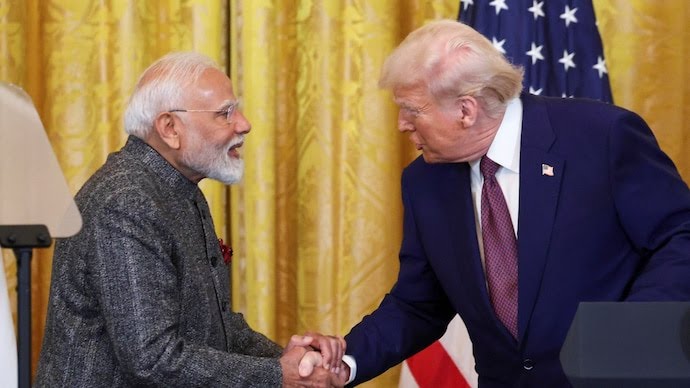
Desk Correspondent , Washington D.C - U.S. President Donald Trump has issued a stark "fresh warning" to India, signaling further strain on the bilateral relationship as the 50% tariffs imposed on Indian imports continue to bite. In his latest address, Trump acknowledged the personal friction the trade war has caused, remarkably stating, "Modi is not happy with me." Despite the tension, the President remained firm, insisting that the heavy tariffs—initially doubled in August 2025—will stay in place as long as New Delhi continues its massive procurement of Russian crude oil, which Washington views as a direct subsidy to the Russian war effort.
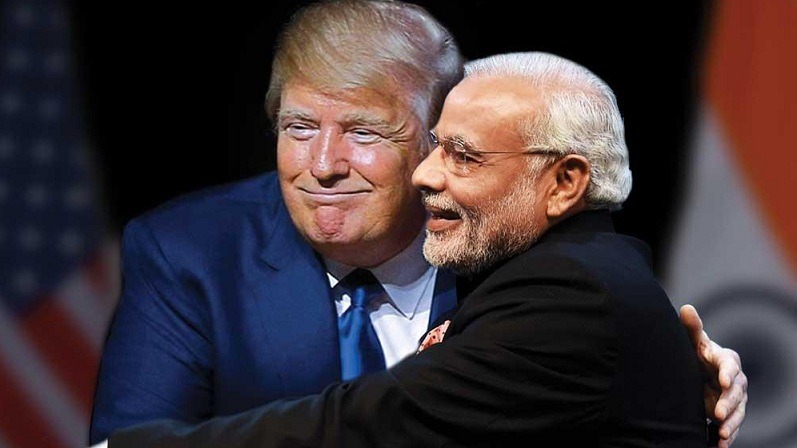
The President’s remarks highlight a hardening stance on "reciprocal trade" and geopolitical alignment. Trump suggested that while he values his "special friendship" with Prime Minister Narendra Modi, national interests regarding the global energy market and the conflict in Ukraine take precedence. He emphasized that India cannot expect "friendly ties" and preferential trade access while simultaneously "profiteering" from discounted Russian oil. This rhetoric marks a shift from previous months where Trump had expressed hope for a swift resolution, now indicating that the 50% tariff wall is a semi-permanent tool of leverage.
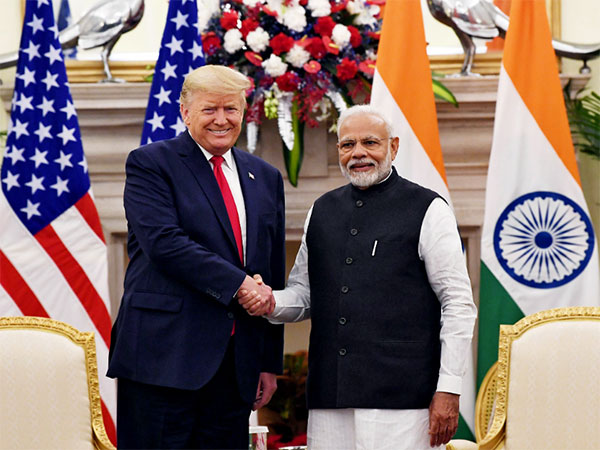
New Delhi has consistently pushed back against this pressure, with Indian officials maintaining that their energy security is a sovereign matter that cannot be dictated by foreign trade policy. The 50% tariffs have already impacted key Indian sectors, including textiles, steel, and pharmaceuticals, leading to concerns about a prolonged economic chill between the two strategic partners. As the standoff intensifies, diplomatic experts warn that the "Modi-Trump" chemistry, which once served as a bridge for the two nations, is being tested by an unprecedented "America First" approach to global energy and trade.
.jpeg)
Trump cited India’s voter-ID system while backing the SAVE America Act, highlighting differences in voting rules between the two countries.
.jpeg)
A Russian missile strike hit Lakshmi Mittal-linked ArcelorMittal’s steel plant in Ukraine, killing two and injuring several others as the war escalates.
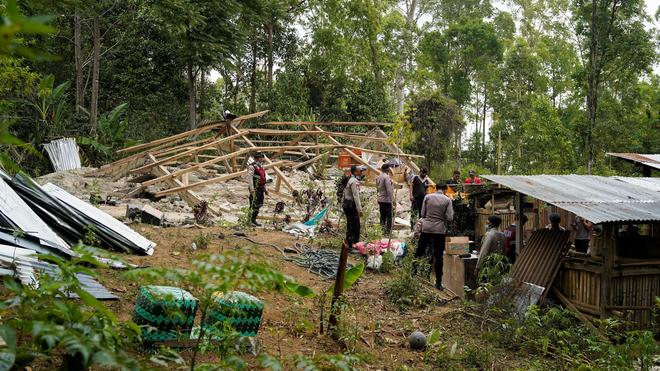
A powerful earthquake in Indonesia has killed 53 people and forced around 5,000 to evacuate, as aftershocks and landslides hamper rescue efforts.

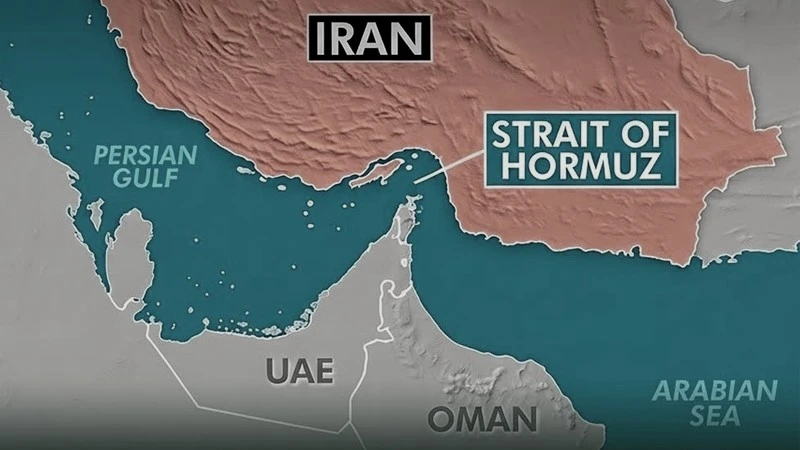
Iran, Oman and the U.S. are reportedly close to a Strait of Hormuz agreement tha...
.jpeg)
Fresh U.S. airstrikes in Iran reportedly killed 14 people, prompting Iranian ret...
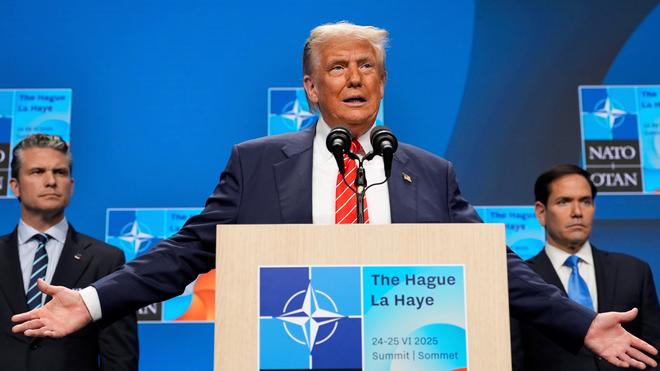
President Donald Trump claimed he is Iran’s “No. 1 target” after security measur...
.jpeg)
Three people were killed in U.S. strikes in western Iran as tensions escalated f...
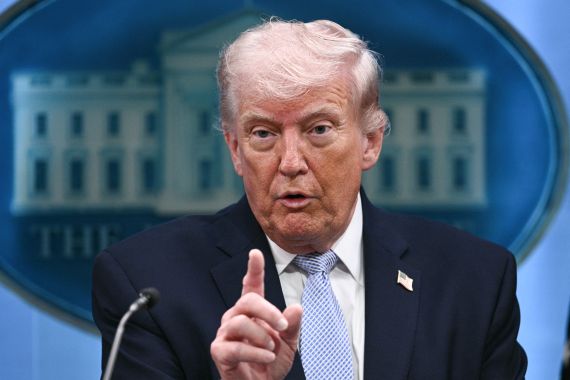
President Donald Trump said the Iran ceasefire is “over” following fresh U.S. st...