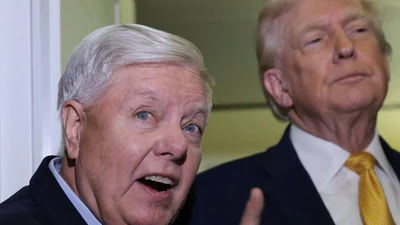
Desk Correspondent , Washington D.C - In a significant escalation of U.S. foreign and trade policy, a senior lawmaker has revealed that President Donald Trump has "greenlit" a powerful new Russia sanctions bill. The legislation is specifically designed to act as "leverage" against major global economies—including India, China, and Brazil—that have continued or expanded their trade ties with Moscow despite the ongoing conflict in Ukraine. According to the lawmaker, the bill provides the White House with broad authority to impose secondary sanctions and trade restrictions on nations deemed to be providing an economic lifeline to the Kremlin.
The revelation underscores the Trump administration’s shift toward a more aggressive "transactional" diplomacy. By backing this bill, the President reportedly intends to use the threat of being cut off from U.S. markets to force New Delhi, Beijing, and Brasília to reconsider their energy and defense deals with Russia. "The goal is to make the cost of doing business with Russia higher than the benefit of the American partnership," the lawmaker stated, noting that the administration views current trade levels by BRICS nations as a direct challenge to U.S. interests.
The news has sent ripples through international diplomatic circles, particularly in India, where the government has long defended its right to strategic autonomy and energy security. If passed and implemented, the bill could lead to a major showdown at upcoming international summits, as India and other emerging powers resist what they perceive as "economic coercion." As the bill moves through Congress with the President's apparent blessing, the global community is bracing for a period of heightened trade friction and a potential reconfiguration of international alliances driven by Washington’s new sanctions regime.
.jpeg)
Trump cited India’s voter-ID system while backing the SAVE America Act, highlighting differences in voting rules between the two countries.
.jpeg)
A Russian missile strike hit Lakshmi Mittal-linked ArcelorMittal’s steel plant in Ukraine, killing two and injuring several others as the war escalates.
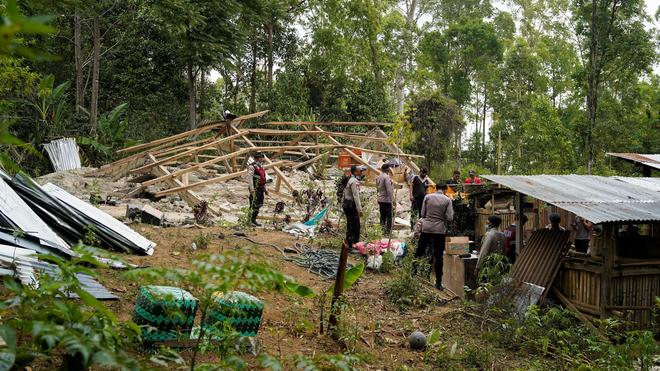
A powerful earthquake in Indonesia has killed 53 people and forced around 5,000 to evacuate, as aftershocks and landslides hamper rescue efforts.

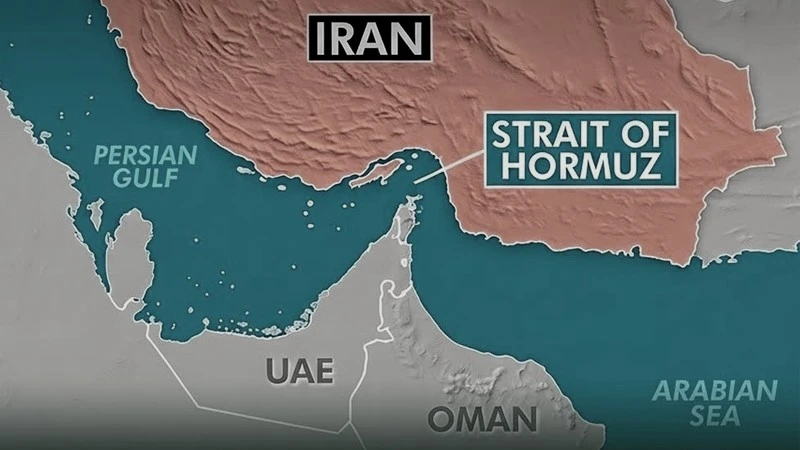
Iran, Oman and the U.S. are reportedly close to a Strait of Hormuz agreement tha...
.jpeg)
Fresh U.S. airstrikes in Iran reportedly killed 14 people, prompting Iranian ret...
President Donald Trump claimed he is Iran’s “No. 1 target” after security measur...
.jpeg)
Three people were killed in U.S. strikes in western Iran as tensions escalated f...
President Donald Trump said the Iran ceasefire is “over” following fresh U.S. st...