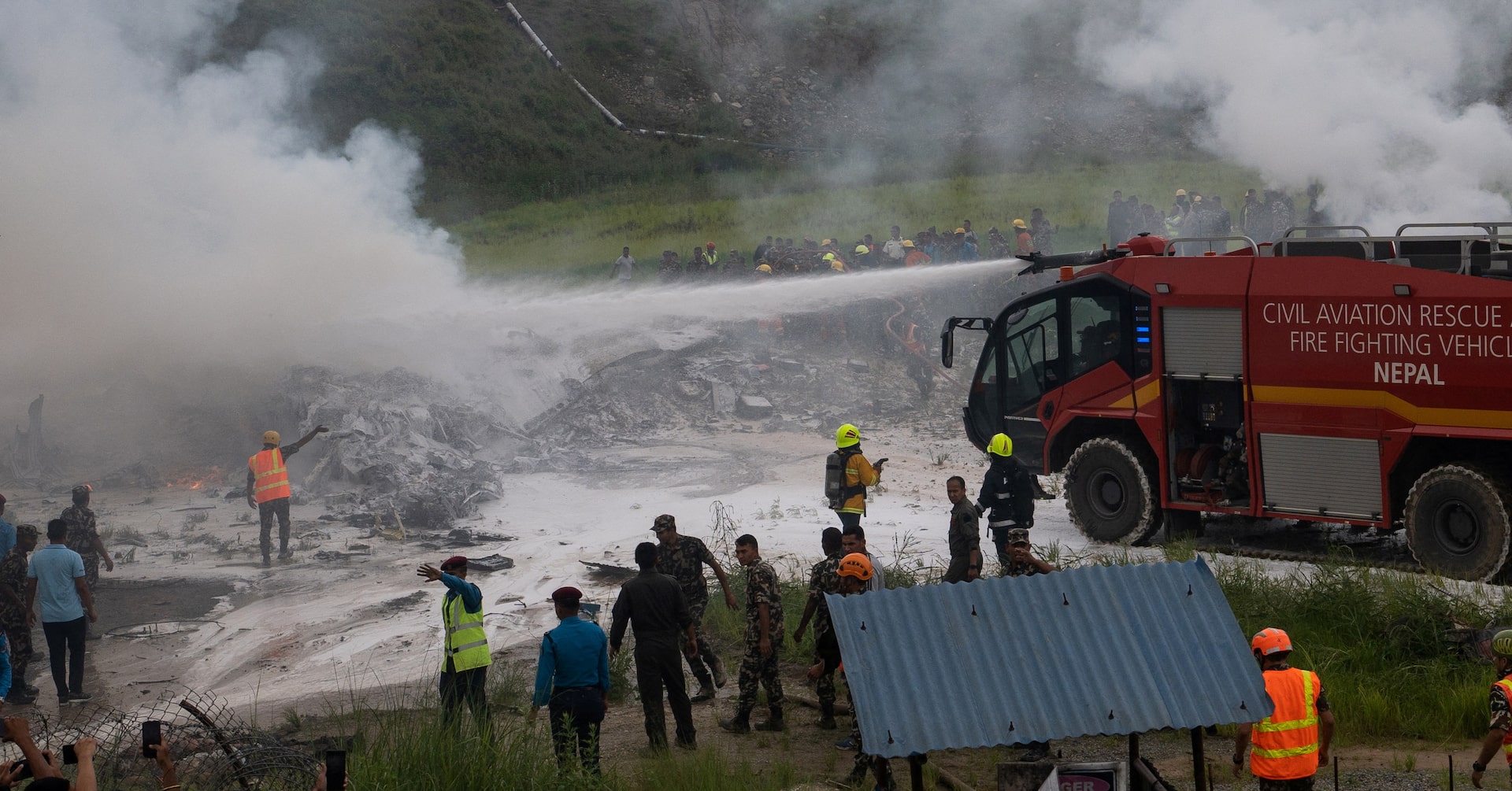
Kathmandu’s Tribhuvan International Airport was forced to close on Tuesday after thick smoke from fires lit during ongoing protests reduced visibility and created unsafe flying conditions. The unrest, which has spread across Nepal in recent days, has led to serious disruptions in domestic and international air travel.
Several Indian carriers were affected by the closure. Air India canceled multiple services between Delhi and Kathmandu, while one of its flights had to return midair to Delhi due to the shutdown. IndiGo also suspended its operations, diverting two of its flights—one from Delhi and another from Mumbai—to Lucknow. Passengers traveling to Nepal were left stranded as airlines issued advisories asking travelers to monitor updates for alternative arrangements.
The Indian government released a travel advisory urging citizens to avoid non-essential travel to Nepal until the situation stabilizes. For Indians already in the country, officials advised exercising caution, remaining indoors, and keeping in touch with the embassy for assistance. Helpline numbers were also issued to support those impacted by the unrest.
Authorities in Nepal have not confirmed when operations at Kathmandu airport will resume, citing safety concerns amid the continuing protests. The closure has added to the sense of uncertainty in the region, with both local and international passengers facing significant delays. The suspension of flights has also affected trade and tourism links between the two neighbors, highlighting the wider impact of the unrest.
.jpeg)
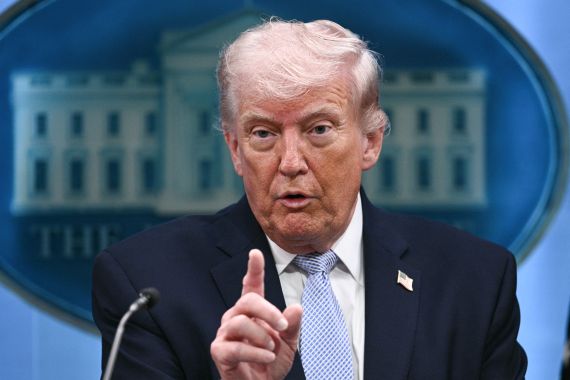
Trump cited India’s voter-ID system while backing the SAVE America Act, highlighting differences in voting rules between the two countries.
.jpeg)
A Russian missile strike hit Lakshmi Mittal-linked ArcelorMittal’s steel plant in Ukraine, killing two and injuring several others as the war escalates.
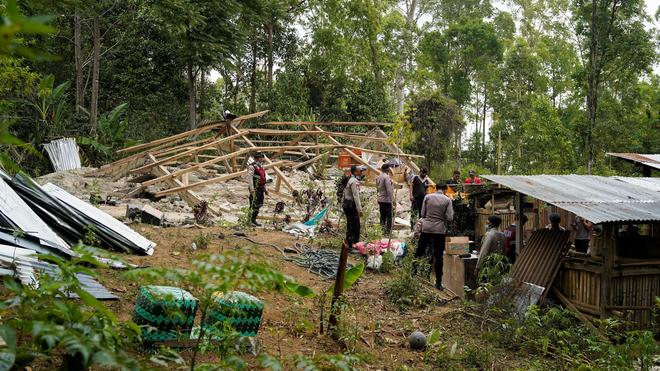
A powerful earthquake in Indonesia has killed 53 people and forced around 5,000 to evacuate, as aftershocks and landslides hamper rescue efforts.

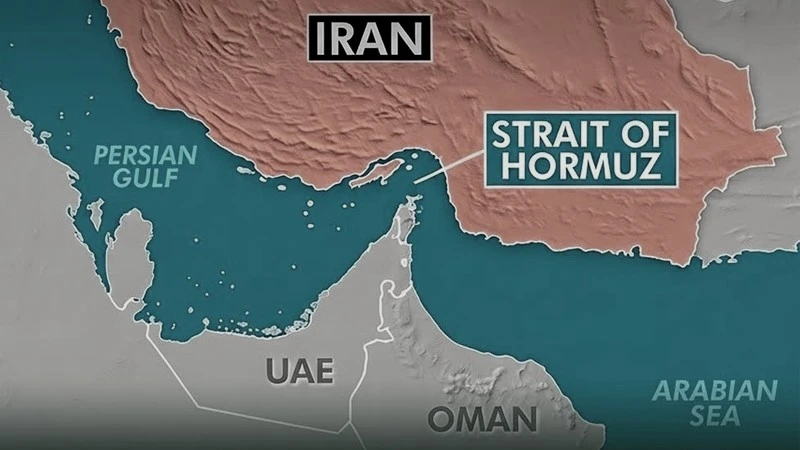
Iran, Oman and the U.S. are reportedly close to a Strait of Hormuz agreement tha...
.jpeg)
Fresh U.S. airstrikes in Iran reportedly killed 14 people, prompting Iranian ret...
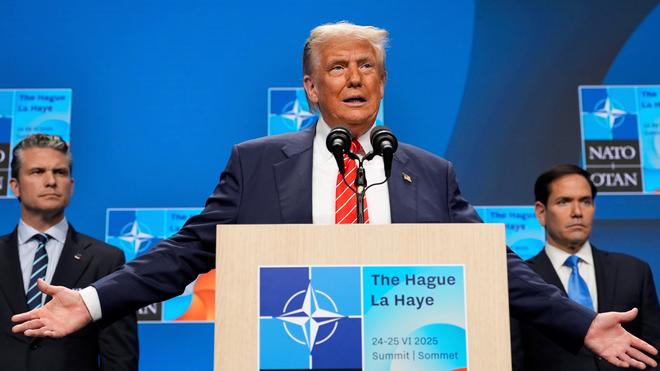
President Donald Trump claimed he is Iran’s “No. 1 target” after security measur...
.jpeg)
Three people were killed in U.S. strikes in western Iran as tensions escalated f...
President Donald Trump said the Iran ceasefire is “over” following fresh U.S. st...