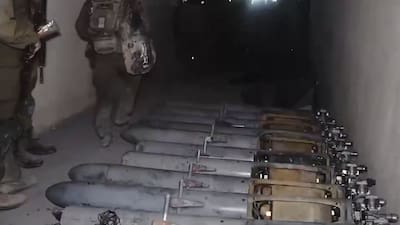
News Desk - Israeli troops have uncovered a massive underground Hezbollah drone facility hidden beneath a mountain in southern Lebanon, close to the Israeli border, which military officials say was used to assemble and launch Iranian-made drones toward Israel.
The underground tunnel complex was discovered beneath the village of Majdal Zoun, approximately six kilometers from the Israeli frontier, and stretches several hundred meters inside the mountain reaching depths of nearly 29 meters underground (95 feet), including beneath a mosque. Military officials who guided journalists through the site described it as both a drone factory and an "airbase" combined, guarded by massive steel blast doors, with rooms where drones were being assembled using components allegedly smuggled into Lebanon.
Inside the facility, Israeli soldiers discovered around 50 drones fitted with explosive warheads weighing roughly 30 kilograms each, all ready for deployment against Israeli targets. The entire facility was built over the past decade with direct support from Iran, including funding, planning, and technical assistance, according to Israeli military officials. Israeli forces captured the area earlier this month during operations in southern Lebanon, carried out scans and investigations inside the tunnel network, and said the underground complex is expected to be demolished after examinations are completed.
The discovery of Hezbollah's underground drone "airbase" highlights the militant group's extensive efforts to build a sophisticated unmanned aerial vehicle capability with Iranian backing, operating covertly beneath civilian infrastructure to evade detection and strike.
.jpeg)
Trump cited India’s voter-ID system while backing the SAVE America Act, highlighting differences in voting rules between the two countries.
.jpeg)
A Russian missile strike hit Lakshmi Mittal-linked ArcelorMittal’s steel plant in Ukraine, killing two and injuring several others as the war escalates.
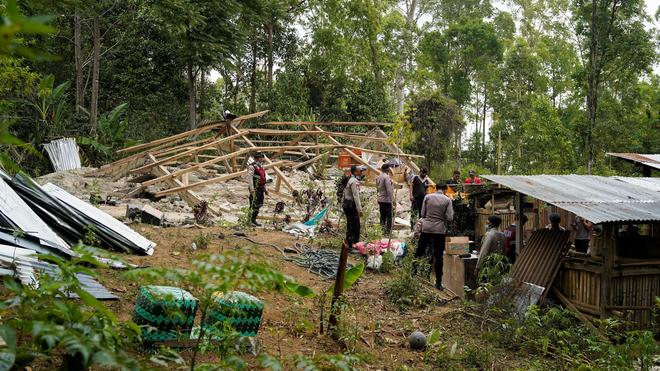
A powerful earthquake in Indonesia has killed 53 people and forced around 5,000 to evacuate, as aftershocks and landslides hamper rescue efforts.

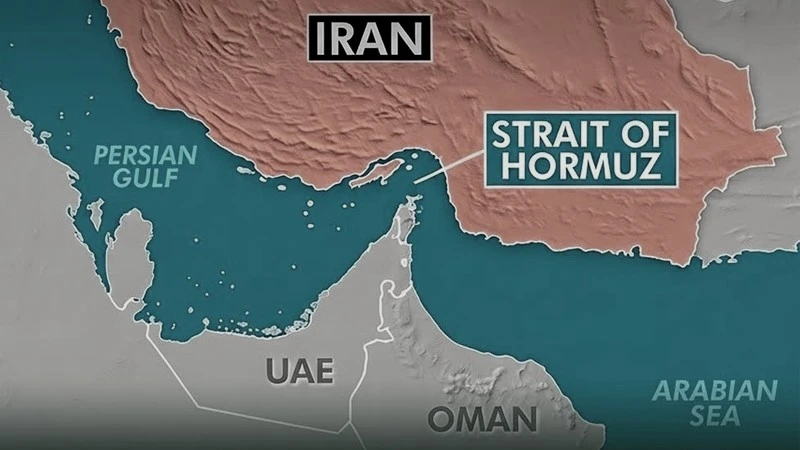
Iran, Oman and the U.S. are reportedly close to a Strait of Hormuz agreement tha...
.jpeg)
Fresh U.S. airstrikes in Iran reportedly killed 14 people, prompting Iranian ret...
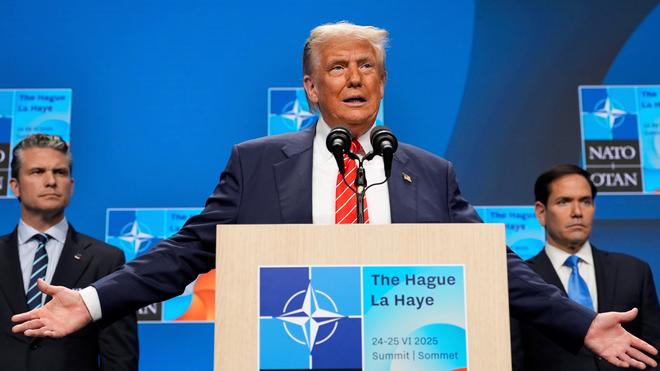
President Donald Trump claimed he is Iran’s “No. 1 target” after security measur...
.jpeg)
Three people were killed in U.S. strikes in western Iran as tensions escalated f...
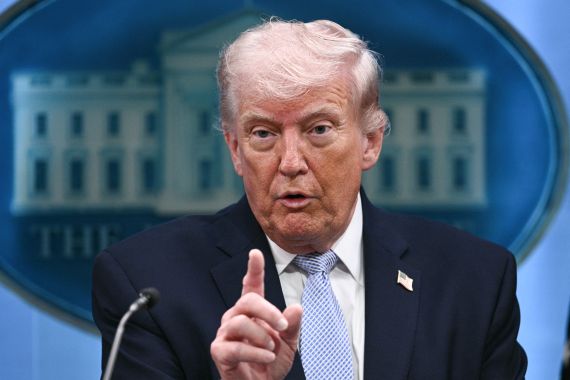
President Donald Trump said the Iran ceasefire is “over” following fresh U.S. st...