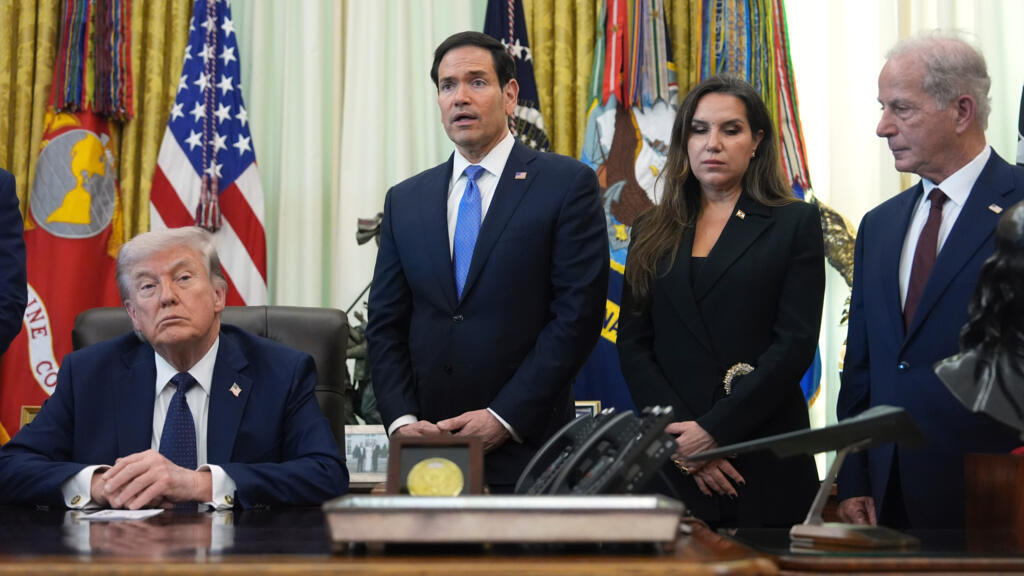
Swapna Kumbar , Bengaluru - A renewed ceasefire agreement between Israel and Lebanon has been announced following intensive US-mediated negotiations, as President Donald Trump seeks to stabilize the region and advance broader peace talks involving Iran. The agreement is designed to halt cross-border violence and establish security zones in southern Lebanon, but continued military activity has already cast doubt on its long-term success.
Under the agreement, the ceasefire is contingent on Hezbollah ending all attacks and withdrawing its operatives from areas south of the Litani River. The plan also envisions the Lebanese Armed Forces taking exclusive control of designated security zones free of non-state actors. The deal emerged after multiple rounds of negotiations in Washington involving US, Israeli, and Lebanese officials, with all sides expressing hope that it could pave the way for a broader peace arrangement.
However, despite the announcement, Israeli forces reportedly carried out several drone strikes in southern Lebanon on Thursday, underscoring the fragility of the truce. Hezbollah was not directly involved in the negotiations and has yet to formally endorse all terms of the agreement. Meanwhile, Iran has warned that any major attack on Beirut could trigger a full scale resumption of the conflict, further complicating Trump's efforts to separate Lebanon-related negotiations from wider US-Iran peace talks.
While the new ceasefire offers a potential path toward de-escalation, continued strikes and unresolved disagreements involving Hezbollah and Iran highlight the challenges ahead. The coming weeks will determine whether the agreement evolves into lasting peace or becomes another temporary pause in a conflict that continues to shape the security landscape of West Asia.
.jpeg)
Trump cited India’s voter-ID system while backing the SAVE America Act, highlighting differences in voting rules between the two countries.
.jpeg)
A Russian missile strike hit Lakshmi Mittal-linked ArcelorMittal’s steel plant in Ukraine, killing two and injuring several others as the war escalates.
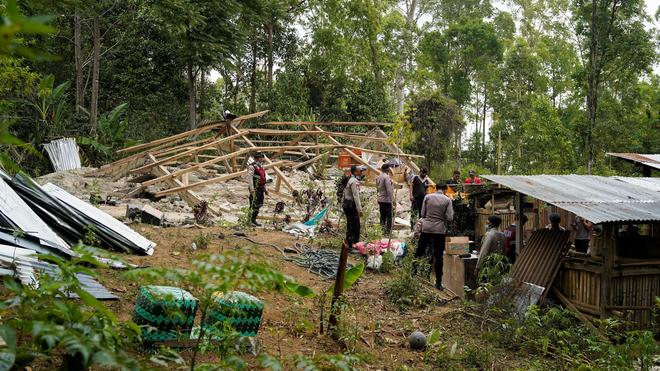
A powerful earthquake in Indonesia has killed 53 people and forced around 5,000 to evacuate, as aftershocks and landslides hamper rescue efforts.

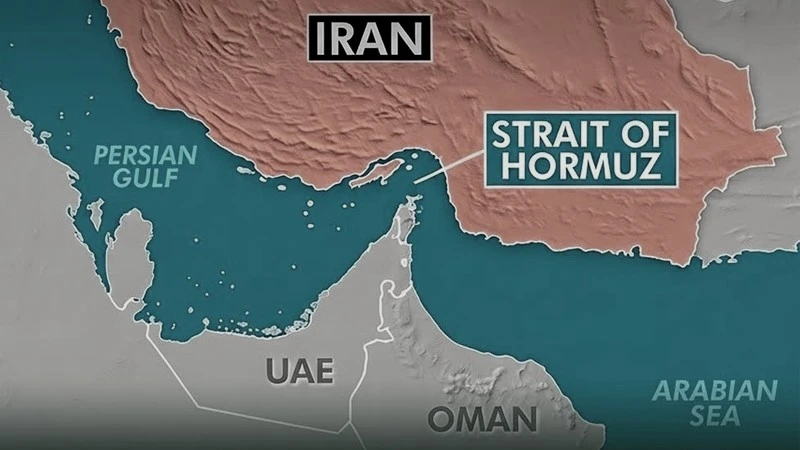
Iran, Oman and the U.S. are reportedly close to a Strait of Hormuz agreement tha...
.jpeg)
Fresh U.S. airstrikes in Iran reportedly killed 14 people, prompting Iranian ret...
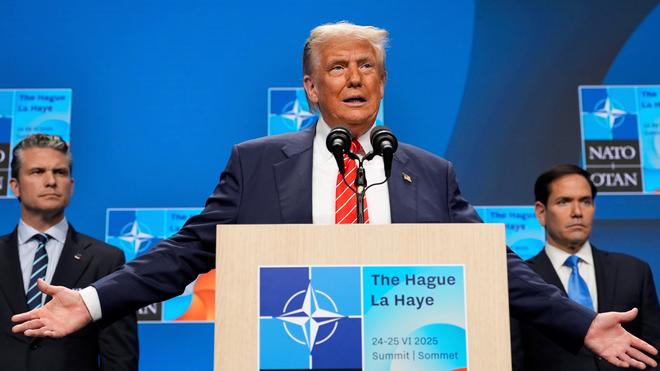
President Donald Trump claimed he is Iran’s “No. 1 target” after security measur...
.jpeg)
Three people were killed in U.S. strikes in western Iran as tensions escalated f...
President Donald Trump said the Iran ceasefire is “over” following fresh U.S. st...