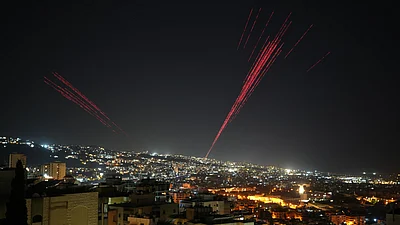
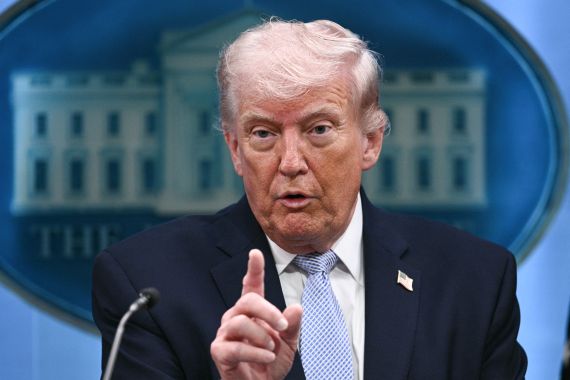
Desk Correspondent , Lebanon - A fragile 10 day ceasefire between Israel and Lebanon officially began at midnight local time (2100 GMT on April 16), following an announcement by US President Donald Trump on Truth Social after talks with Lebanese President Joseph Aoun and Israeli Prime Minister Benjamin Netanyahu. Trump hailed the truce as a step toward lasting peace, inviting both leaders to the White House and noting it includes Iran backed Hezbollah, though the group denies agreeing without an Israeli troop withdrawal.
In Lebanon, celebrations erupted with celebratory gunfire in Beirut and cities like Sidon, marking relief after over a month of deadly escalation that claimed more than 2,000 lives. Lebanon's President welcomed the pause, while Netanyahu called it a historic opportunity, but Israel plans to maintain forces in a 10km security zone in southern Lebanon against Hezbollah threats.
Tensions persist, however, with Lebanese reports of Israeli violations. Just before or near the ceasefire's start, Israeli strikes targeted paramedic teams in southern towns like Mayfadoun and Al-Qlailah, killing at least four rescuers and injuring others in what Lebanon calls triple tap attacks on ambulances responding to emergencies. The Lebanese army accused Israel of aggression, echoing patterns of prior ceasefire breaches documented by UN complaints.
Israel maintains it acts only against imminent threats from Hezbollah, with no confirmed post-ceasefire ambulance strike directly tied to April 17 in reports, though the incidents fuel accusations of violations hours into the truce. Trump urged Hezbollah to comply, posting No more violence. We must achieve PEACE at last! as broader US-Iran talks loom. This short term halt offers a testing ground for de escalation in a conflict intertwined with regional powers, but immediate strikes underscore enforcement challenges.
.jpeg)
Trump cited India’s voter-ID system while backing the SAVE America Act, highlighting differences in voting rules between the two countries.
.jpeg)
A Russian missile strike hit Lakshmi Mittal-linked ArcelorMittal’s steel plant in Ukraine, killing two and injuring several others as the war escalates.
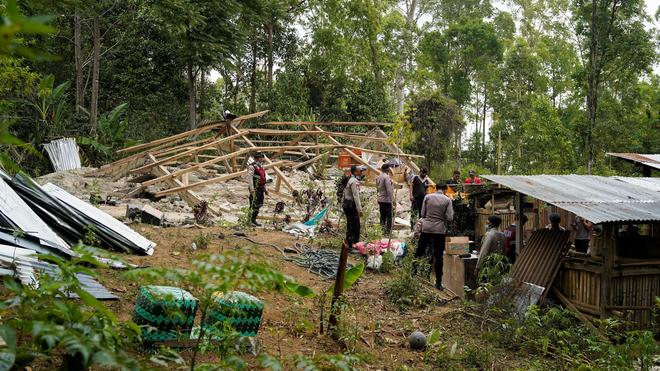
A powerful earthquake in Indonesia has killed 53 people and forced around 5,000 to evacuate, as aftershocks and landslides hamper rescue efforts.

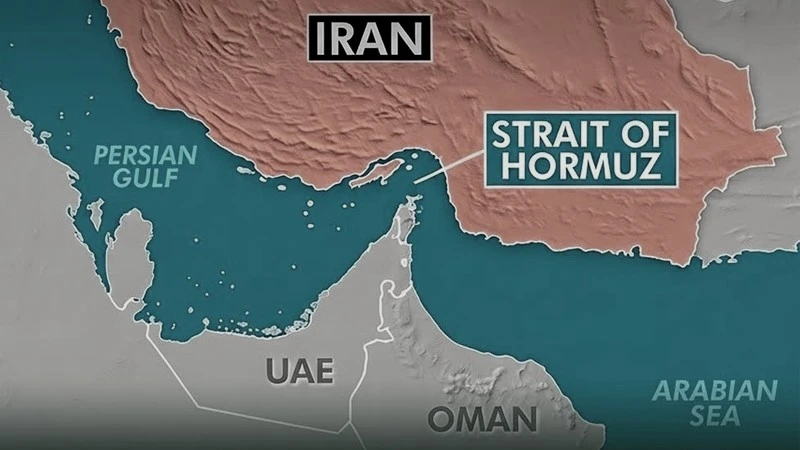
Iran, Oman and the U.S. are reportedly close to a Strait of Hormuz agreement tha...
.jpeg)
Fresh U.S. airstrikes in Iran reportedly killed 14 people, prompting Iranian ret...
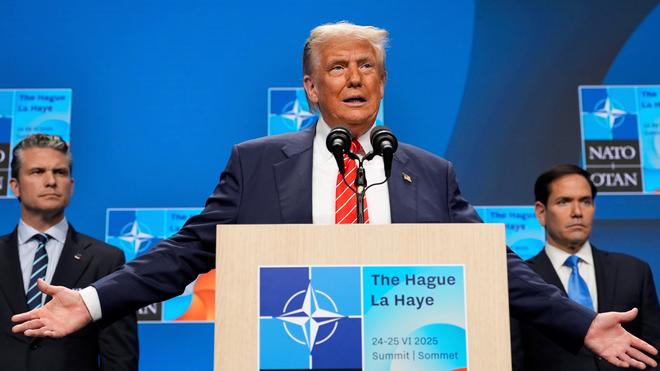
President Donald Trump claimed he is Iran’s “No. 1 target” after security measur...
.jpeg)
Three people were killed in U.S. strikes in western Iran as tensions escalated f...
President Donald Trump said the Iran ceasefire is “over” following fresh U.S. st...