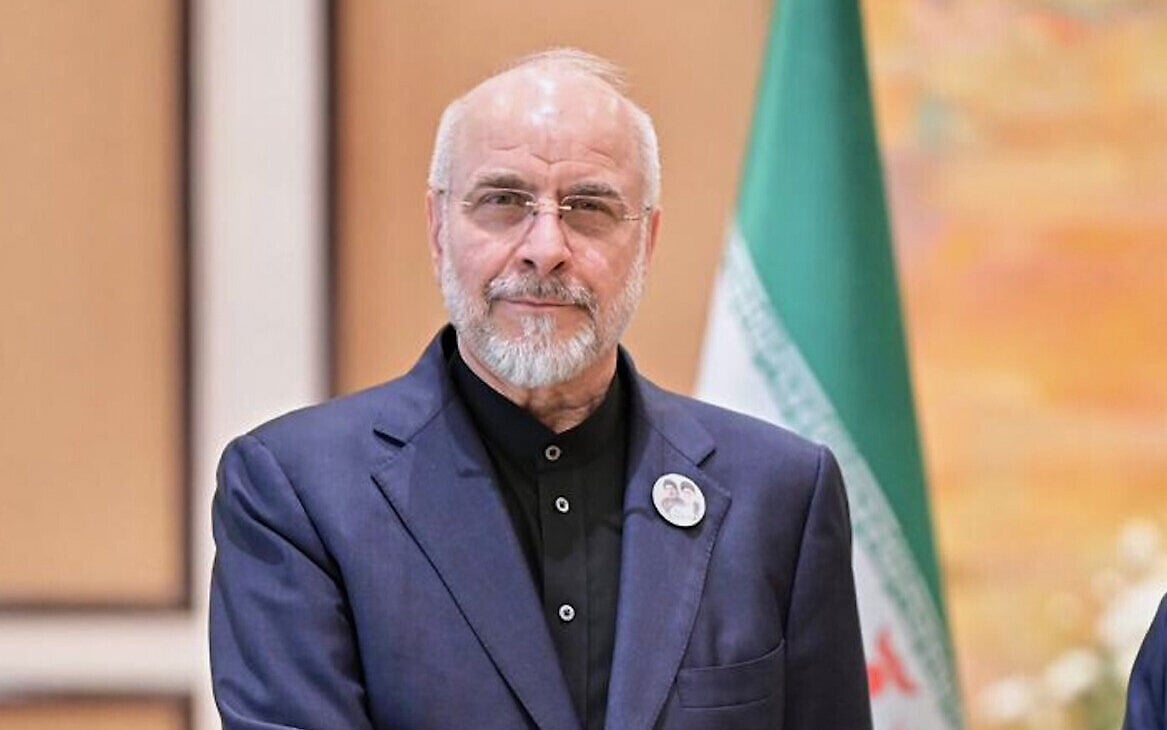
Swapna Kumbar , Bengaluru - Tensions in West Asia remain high after Iran's Parliament Speaker and chief negotiator, Mohammad Bagher Ghalibaf, issued a stern warning to the United States and Israel following the first direct exchange of fire between Iran and Israel since a ceasefire was reached two months ago. Ghalibaf accused Washington and Tel Aviv of repeatedly violating the truce and vowed that Iran would continue responding forcefully to any future breaches.
The warning came after Iran and Israel exchanged strikes on Monday, marking the first major military confrontation since the April ceasefire. Iranian officials said the latest attacks were a response to what they described as repeated Israeli violations, particularly military actions in Lebanon. Ghalibaf stated that Iran had "disrupted the equation of a ceasefire on paper and its repeated violations in the field," adding that as long as there was no genuine effort to build trust, Tehran's response would remain unchanged.
According to reports, Iran fired nearly 30 missiles toward Israel, prompting retaliatory strikes on military targets inside Iran. The exchange raised fears that the region could slide back into a broader conflict after months of relative calm. However, both sides later indicated that they were pausing further attacks for now. Iran's military command announced a halt to offensive operations but warned that any new aggression by Israel, including attacks in Lebanon, would trigger "much more severe and crushing measures." Israeli Prime Minister Benjamin Netanyahu also signaled that the current round of fighting had ended while warning that Israel would respond forcefully to any future Iranian attacks.
The latest exchange highlights the fragility of the Iran-Israel ceasefire and the continuing risks posed by tensions in Lebanon and across the wider region. While both sides have stepped back from immediate escalation, Ghalibaf's warning underscores that the truce remains under significant strain, leaving diplomats racing to prevent a return to full-scale conflict.
.jpeg)
Trump cited India’s voter-ID system while backing the SAVE America Act, highlighting differences in voting rules between the two countries.
.jpeg)
A Russian missile strike hit Lakshmi Mittal-linked ArcelorMittal’s steel plant in Ukraine, killing two and injuring several others as the war escalates.
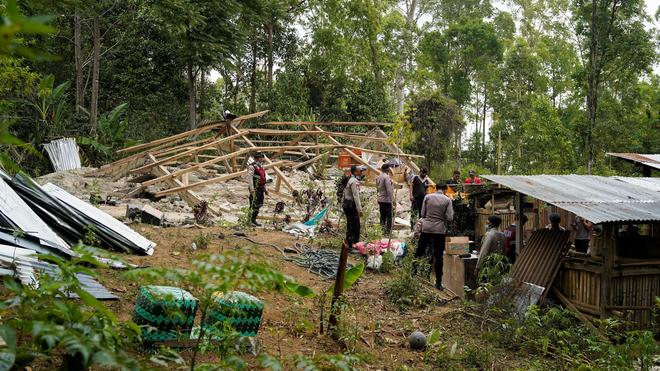
A powerful earthquake in Indonesia has killed 53 people and forced around 5,000 to evacuate, as aftershocks and landslides hamper rescue efforts.

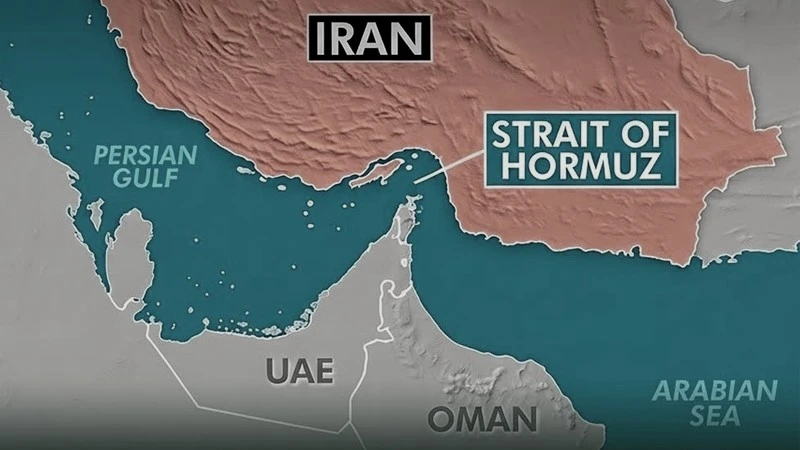
Iran, Oman and the U.S. are reportedly close to a Strait of Hormuz agreement tha...
.jpeg)
Fresh U.S. airstrikes in Iran reportedly killed 14 people, prompting Iranian ret...
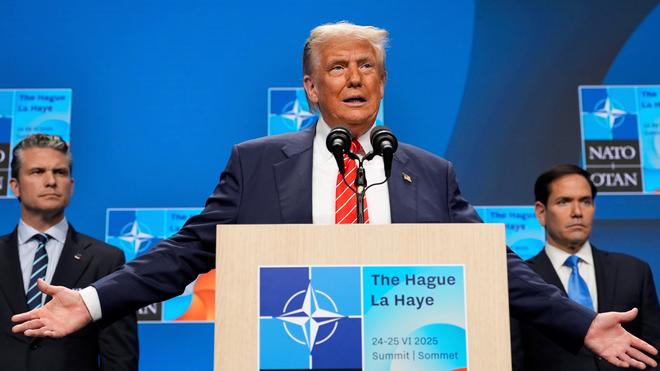
President Donald Trump claimed he is Iran’s “No. 1 target” after security measur...
.jpeg)
Three people were killed in U.S. strikes in western Iran as tensions escalated f...
President Donald Trump said the Iran ceasefire is “over” following fresh U.S. st...