.jpeg)
Swapna Kumbar , Bengaluru - Iranian Foreign Minister Seyed Abbas Araghchi has arrived in Beijing for direct talks with his Chinese counterpart Wang Yi, marking the first in person meeting between the two top diplomats since the outbreak of the U.S. led military campaign against Iran in late February. The visit comes a week ahead of President Donald Trump’s scheduled summit with Chinese President Xi Jinping, turning Beijing into a focal point of competing Western and Iranian diplomatic overtures.
According to our reports, Araghchi and Wang Yi discussed bilateral ties, regional security, and the escalating standoff around the Strait of Hormuz, where duelling Iranian and U.S. measures have disrupted global oil flows. China currently the largest buyer of Iranian crude despite U.S. sanctions has repeatedly called for the freedom and safety of navigation in the Strait while also defending Iran’s sovereignty, giving Beijing a key mediating role as Washington pressures Beijing to push Tehran to reopen the chokepoint. Araghchi’s stop in Beijing follows recent diplomatic shuttles to Moscow and Islamabad, as Iran seeks to rally key partners amid stalled US-Iran negotiations and a broader Western led campaign across the West Asian theater. With Trump’s mid May visit looming, analysts say Araghchi’s presence in Beijing signals Iran’s effort to secure Chinese backing on sanctions relief, security assurances, and a potential framework to de‑escalate Gulf tensions before Washington and Beijing sit down for their own summit.
By hosting Araghchi just days before Trump’s arrival, China is positioning itself as a central arbiter in the deepening US-Iran crisis, balancing its strategic partnership with Tehran against its high stakes economic and political relationship with Washington. The Wang Araghchi talks could shape not only the immediate fate of the Strait of Hormuz but also the broader contours of a multipolar security order in the Middle East and Asia.
.jpeg)
Trump cited India’s voter-ID system while backing the SAVE America Act, highlighting differences in voting rules between the two countries.
.jpeg)
A Russian missile strike hit Lakshmi Mittal-linked ArcelorMittal’s steel plant in Ukraine, killing two and injuring several others as the war escalates.
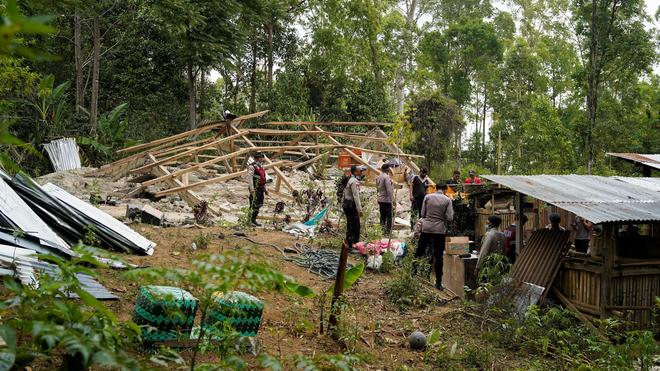
A powerful earthquake in Indonesia has killed 53 people and forced around 5,000 to evacuate, as aftershocks and landslides hamper rescue efforts.

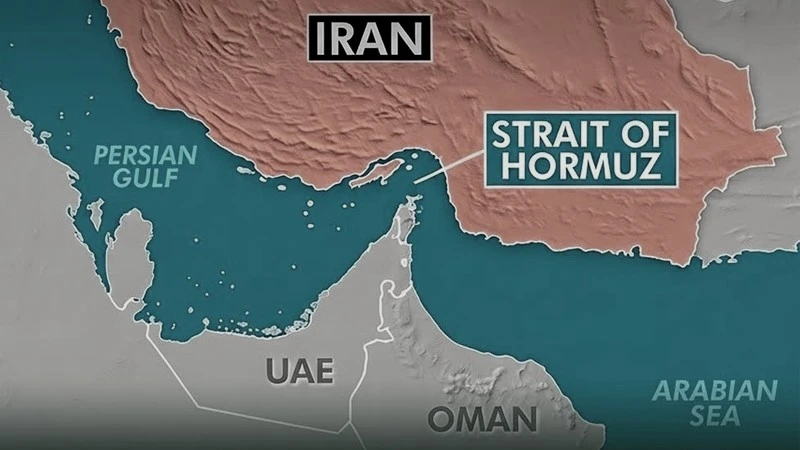
Iran, Oman and the U.S. are reportedly close to a Strait of Hormuz agreement tha...
.jpeg)
Fresh U.S. airstrikes in Iran reportedly killed 14 people, prompting Iranian ret...
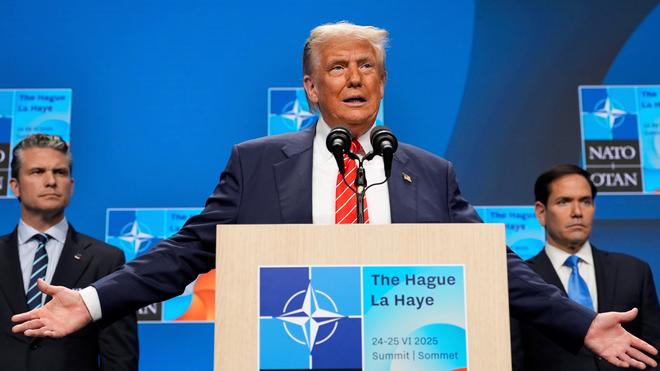
President Donald Trump claimed he is Iran’s “No. 1 target” after security measur...
.jpeg)
Three people were killed in U.S. strikes in western Iran as tensions escalated f...
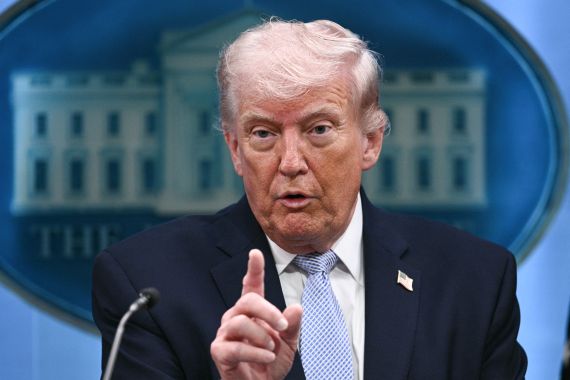
President Donald Trump said the Iran ceasefire is “over” following fresh U.S. st...