.jpeg)
Swapna Kumbar, Bengaluru - A major escalation in the Gulf crisis unfolded after Kuwait International Airport was reportedly hit by Iranian drones and missiles, resulting in injuries and disruption to air traffic. Authorities diverted flights and suspended some operations as emergency teams responded to the incident, which marks one of the most serious attacks on civilian infrastructure in the region in recent weeks.
According to Kuwait’s state news agency and international reports, the attack damaged parts of the airport, including Terminal 1, and injured several people. Aviation authorities quickly moved to divert incoming flights and suspend commercial operations to ensure passenger safety. The strike came amid renewed hostilities between Iran and the United States, with both sides exchanging military actions following stalled ceasefire negotiations. US Central Command said it intercepted several Iranian missiles and drones aimed at regional targets, while additional retaliatory strikes were reportedly launched against Iranian military facilities.
The attack has intensified fears of a broader regional conflict involving Gulf nations that host US military assets. Kuwait, which has already faced multiple drone and missile incidents since the start of the conflict, condemned the assault and increased security measures around critical infrastructure. Analysts warn that continued attacks on airports, ports, and shipping routes could further destabilize the region and disrupt global energy and trade flows
The reported strike on Kuwait International Airport underscores the growing volatility of the Gulf conflict and the risks facing civilian infrastructure as tensions rise. With diplomacy struggling to gain momentum and military exchanges continuing, concerns are mounting over the possibility of a wider regional escalation.
.jpeg)
Trump cited India’s voter-ID system while backing the SAVE America Act, highlighting differences in voting rules between the two countries.
.jpeg)
A Russian missile strike hit Lakshmi Mittal-linked ArcelorMittal’s steel plant in Ukraine, killing two and injuring several others as the war escalates.

A powerful earthquake in Indonesia has killed 53 people and forced around 5,000 to evacuate, as aftershocks and landslides hamper rescue efforts.

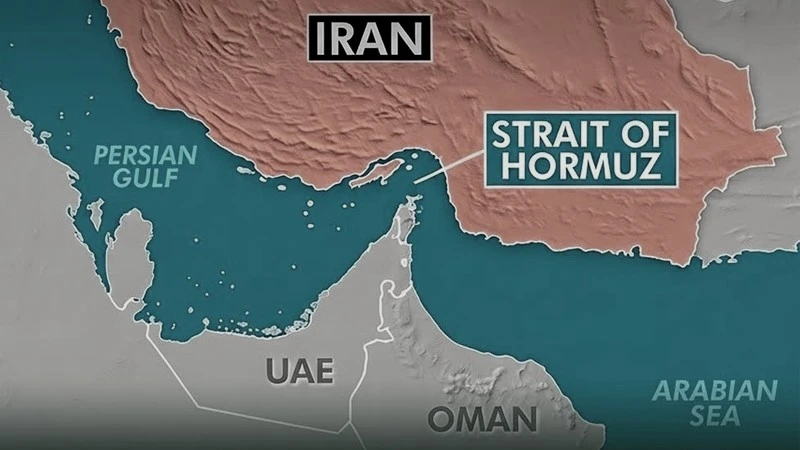
Iran, Oman and the U.S. are reportedly close to a Strait of Hormuz agreement tha...
.jpeg)
Fresh U.S. airstrikes in Iran reportedly killed 14 people, prompting Iranian ret...
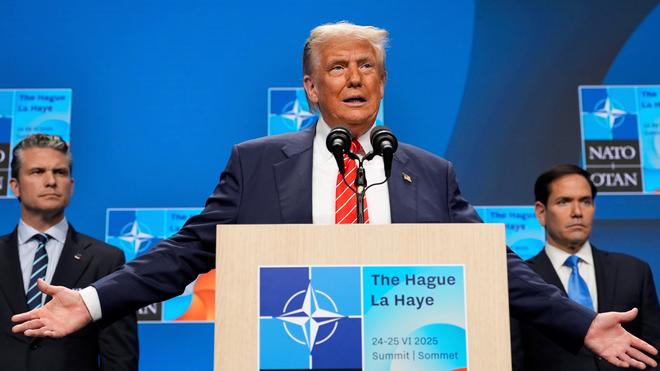
President Donald Trump claimed he is Iran’s “No. 1 target” after security measur...
.jpeg)
Three people were killed in U.S. strikes in western Iran as tensions escalated f...

President Donald Trump said the Iran ceasefire is “over” following fresh U.S. st...