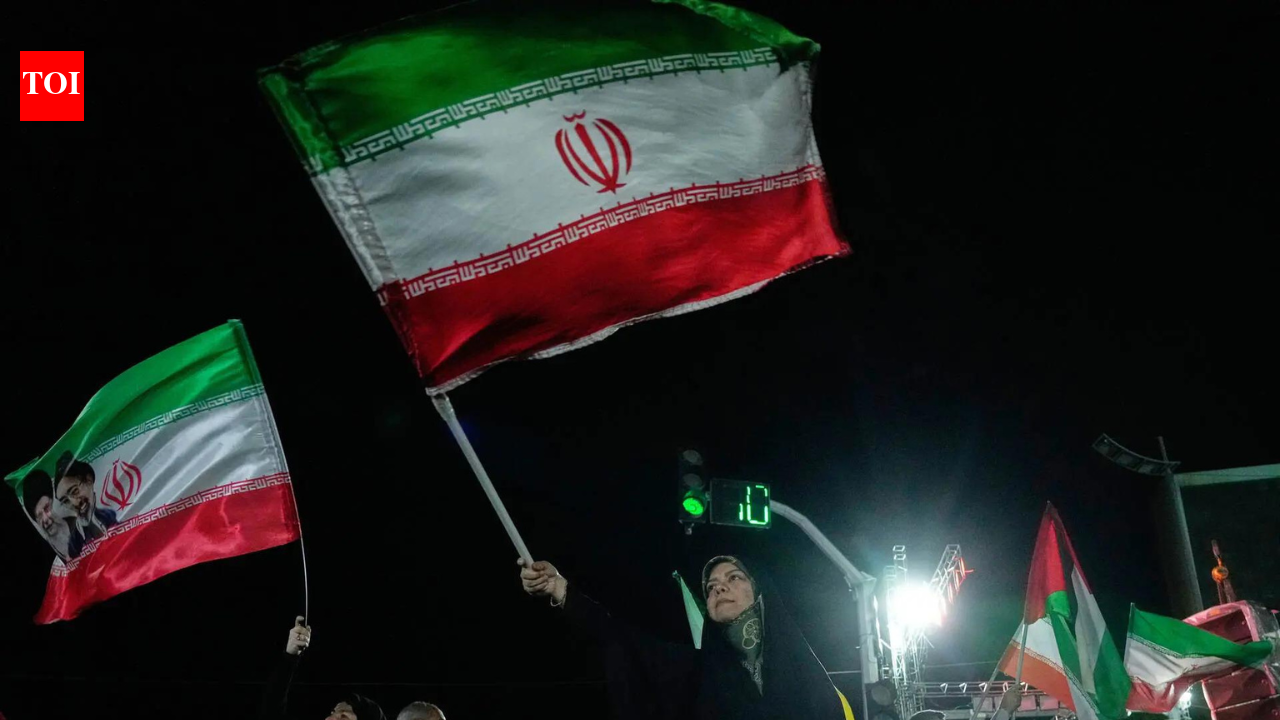
Swapna Kumbar , Bengaluru - In a significant escalation of diplomatic efforts, Iran has unveiled a comprehensive 14-point proposal to conclude hostilities with the United States and its allies within 30 days. Delivered via Pakistani intermediaries in early May 2026, the plan responds to a prior US-backed nine-point initiative and explicitly rejects prolonged truces. Tehran insists on swift resolutions to prevent further regional instability, as confirmed by reports from Tasnim News Agency.
The proposal demands immediate cessation of conflicts in Iran, Iraq, Lebanon, and Yemen, alongside the reopening of the Strait of Hormuz under secure navigation protocols. Key conditions include full US troop withdrawal from the region, lifting of all sanctions, release of frozen Iranian assets, reparations for war damages, and guarantees against future aggression. US President Donald Trump is reviewing the offer, though early signals suggest skepticism; Secretary of State Marco Rubio has deemed similar prior proposals unacceptable without addressing Iran's nuclear program. A fragile ceasefire holds, but global oil prices remain volatile due to the strait blockade, pressuring both sides amid economic fallout. Russia has amplified support for Iran, criticizing Israel and pushing for a weapons free zone, complicating negotiations.
Iran's 30 day ultimatum tests US resolve in the protracted 2026 conflict, potentially paving the way for de-escalation or risking renewed escalation. With Trump's administration weighing options, international mediators like Pakistan hold the key to bridging divides and stabilizing the Middle East.
.jpeg)
Trump cited India’s voter-ID system while backing the SAVE America Act, highlighting differences in voting rules between the two countries.
.jpeg)
A Russian missile strike hit Lakshmi Mittal-linked ArcelorMittal’s steel plant in Ukraine, killing two and injuring several others as the war escalates.
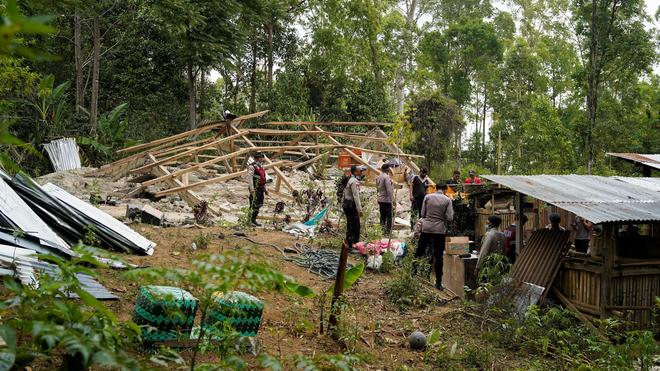
A powerful earthquake in Indonesia has killed 53 people and forced around 5,000 to evacuate, as aftershocks and landslides hamper rescue efforts.

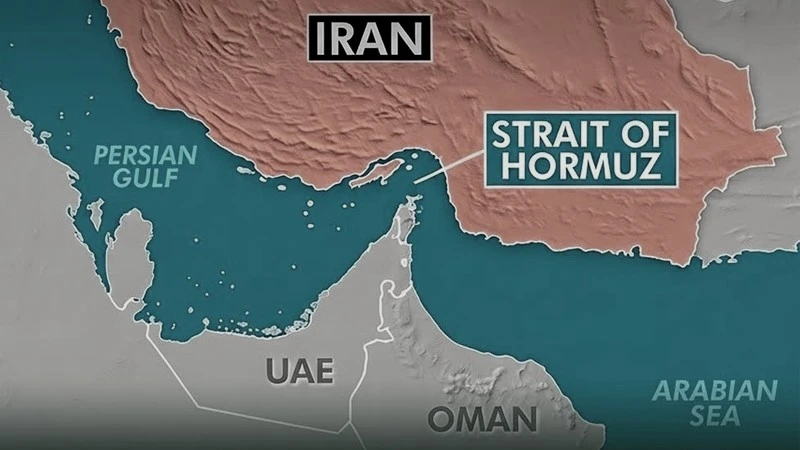
Iran, Oman and the U.S. are reportedly close to a Strait of Hormuz agreement tha...
.jpeg)
Fresh U.S. airstrikes in Iran reportedly killed 14 people, prompting Iranian ret...
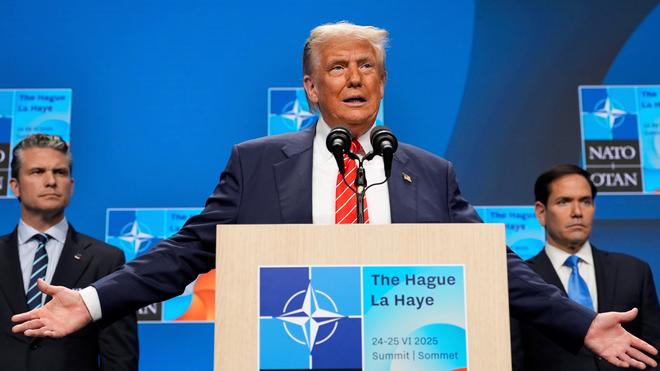
President Donald Trump claimed he is Iran’s “No. 1 target” after security measur...
.jpeg)
Three people were killed in U.S. strikes in western Iran as tensions escalated f...
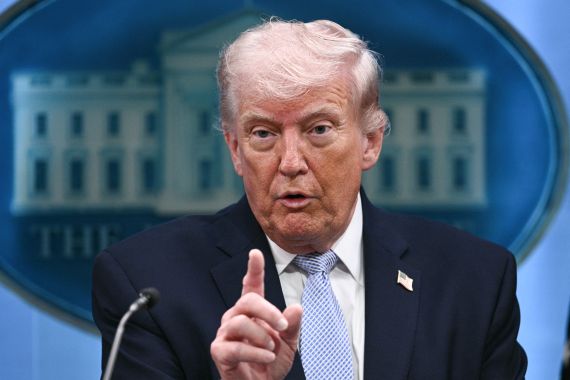
President Donald Trump said the Iran ceasefire is “over” following fresh U.S. st...