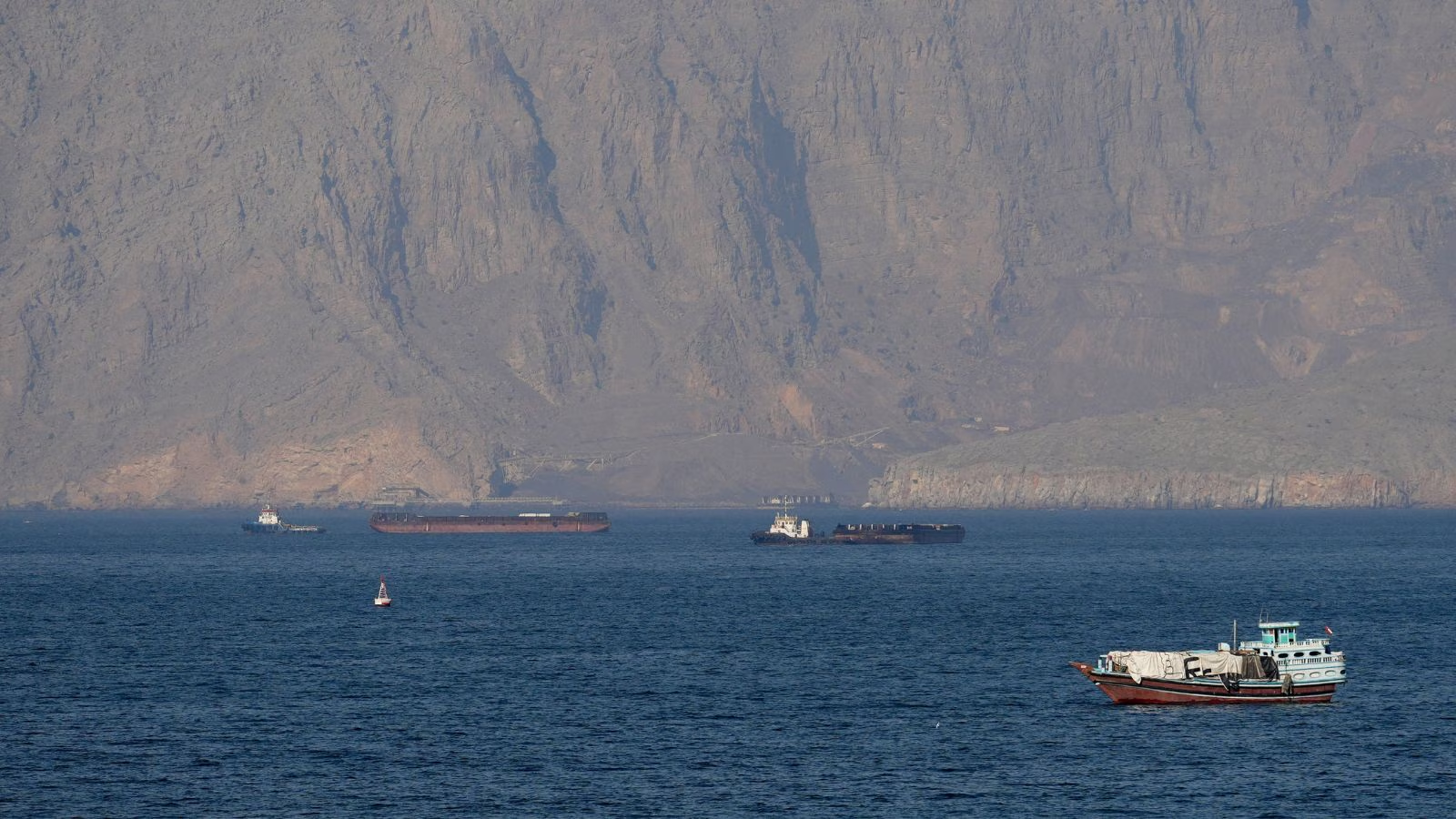
Iran Re-closes Strait of Hormuz Amid Ship Attacks, Indian Tankers Fired Upon
Desk Correspondent , Tehran - Iran's IRGC Navy fully re-closed the Strait of Hormuz on April 17, 2026, imposing a strict blockade against unauthorized vessels in direct response to ongoing US naval blockades of Iranian ports, triggering attacks on multiple merchant ships including two prominent Indian flagged oil tankers. UKMTO verified incidents off Oman's coast involving a tanker, container ship, and others, representing the latest escalation in a pattern of disruptions despite Iran's inconsistent safe passage pledges during the US-Iran conflict.
The VLCC tanker Sanmar Herald and crude carrier Jag Arnav endured sustained IRGC gunboat fire including warning shots, tracer rounds, and small arms fire while attempting transit without prior clearance, with leaked audio capturing crews' frantic radio pleas such as "Let us go, we are Indian vessel" before forced retreats. Remarkably, no crew injuries or significant vessel damage were reported, yet India's Ministry of External Affairs swiftly summoned Iran's ambassador in New Delhi, lodging a strong protest over breaches of established transit protocols and insisting on guaranteed access for vital crude oil imports from Iraq, Saudi Arabia, and other Gulf suppliers that form 80% of India's energy needs.
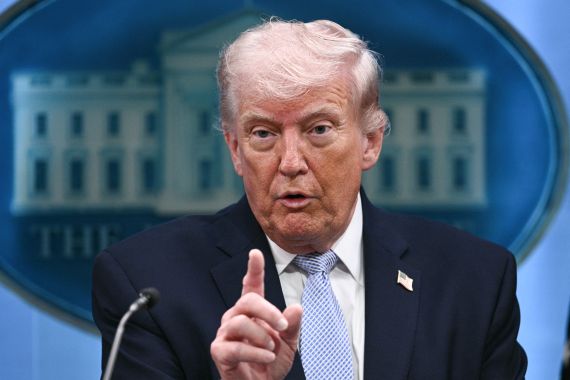
Handling 20% of global oil flows, the Hormuz chokepoint's shutdown has propelled Brent crude prices up over 12% in days, stranding over 50 vessels, disrupting supply chains, and heightening fears of broader regional war involvement from Gulf states. US President Trump signed a measured executive response order while publicly minimizing immediate escalation risks, even as Pakistan's ongoing mediation via Army Chief Asim Munir in Tehran offers faint hopes for de-escalation, India, meanwhile, scrambles alternative routes and stockpiles amid surging domestic fuel costs.
.jpeg)
Trump cited India’s voter-ID system while backing the SAVE America Act, highlighting differences in voting rules between the two countries.
.jpeg)
A Russian missile strike hit Lakshmi Mittal-linked ArcelorMittal’s steel plant in Ukraine, killing two and injuring several others as the war escalates.
A powerful earthquake in Indonesia has killed 53 people and forced around 5,000 to evacuate, as aftershocks and landslides hamper rescue efforts.

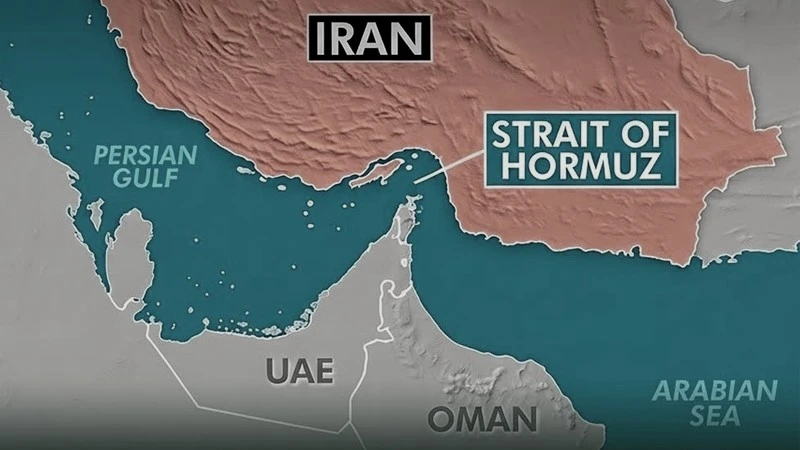
Iran, Oman and the U.S. are reportedly close to a Strait of Hormuz agreement tha...
.jpeg)
Fresh U.S. airstrikes in Iran reportedly killed 14 people, prompting Iranian ret...
President Donald Trump claimed he is Iran’s “No. 1 target” after security measur...
.jpeg)
Three people were killed in U.S. strikes in western Iran as tensions escalated f...
President Donald Trump said the Iran ceasefire is “over” following fresh U.S. st...