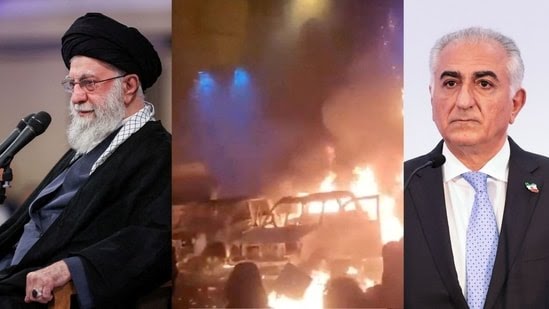
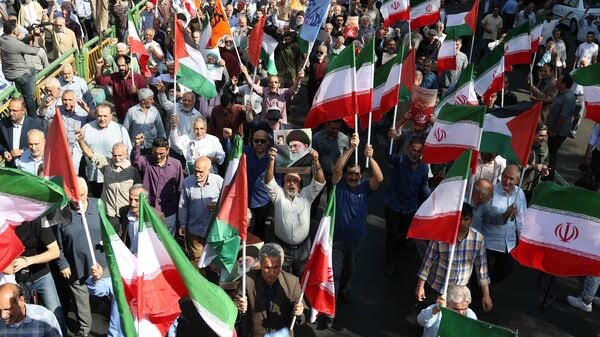
Desk Correspondent , Tehran - The Islamic Republic of Iran is facing its most severe existential threat in decades as nationwide protests escalated into a violent confrontation on January 9, 2026. The capital, Tehran, has been described as a "war zone" by witnesses, with reports of heavy gunfire and massive fires erupting near government buildings. In a desperate move to stifle the coordination of demonstrators, the regime has implemented a near-total nationwide internet blackout. The latest wave of fury was ignited by the catastrophic collapse of the Iranian Rial, which hit an all-time low this week, pushing millions into acute poverty and fueling demands for the total removal of the clerical leadership.
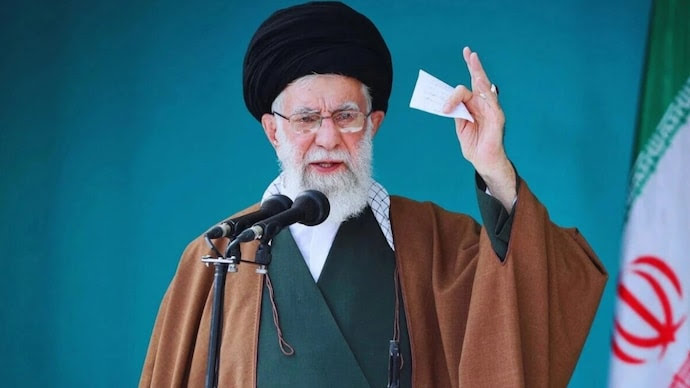
The unrest received a massive psychological boost from exiled Crown Prince Reza Pahlavi, who issued a stirring "war cry" from abroad. Pahlavi called on the Iranian people to deliver the "final blow" to the regime and urged the nation’s security forces to defect and protect the citizens rather than the ruling elite. This direct appeal for a military transition has shifted the momentum of the protests, with reports emerging of "tactical retreats" by local police in several provincial cities where crowds have overwhelmed security cordons. Supreme Leader Ayatollah Ali Khamenei has yet to make a public appearance today, further fueling rumors of a leadership crisis within the inner circle.
The international community is watching the situation with intense scrutiny. U.S. President Donald Trump has reportedly been briefed on the escalating violence and the internet shutdown. In a brief statement, the White House expressed "unwavering support" for the Iranian people's quest for freedom and warned the regime against a repeat of the 2019 "bloody crackdown." As the Rial continues its freefall and the "digital darkness" covers the country, human rights organizations have warned of potential mass casualties under the cover of the blackout. For now, the streets of Iran remain a flashpoint of history, with the survival of the 1979 revolution hanging by a thread.
.jpeg)
Trump cited India’s voter-ID system while backing the SAVE America Act, highlighting differences in voting rules between the two countries.
.jpeg)
A Russian missile strike hit Lakshmi Mittal-linked ArcelorMittal’s steel plant in Ukraine, killing two and injuring several others as the war escalates.
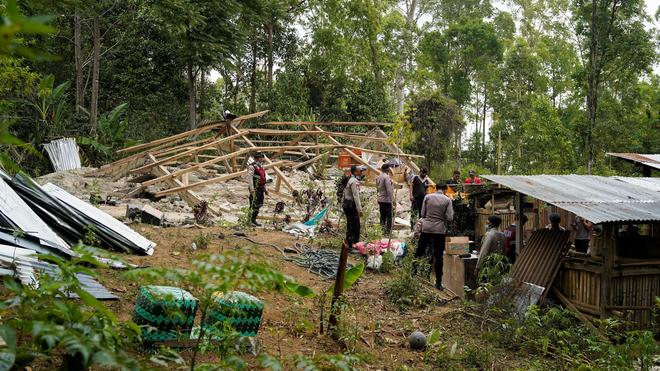
A powerful earthquake in Indonesia has killed 53 people and forced around 5,000 to evacuate, as aftershocks and landslides hamper rescue efforts.

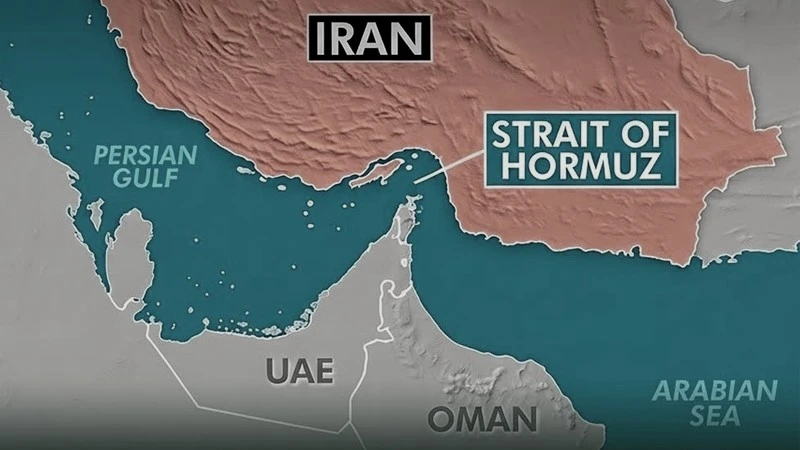
Iran, Oman and the U.S. are reportedly close to a Strait of Hormuz agreement tha...
.jpeg)
Fresh U.S. airstrikes in Iran reportedly killed 14 people, prompting Iranian ret...
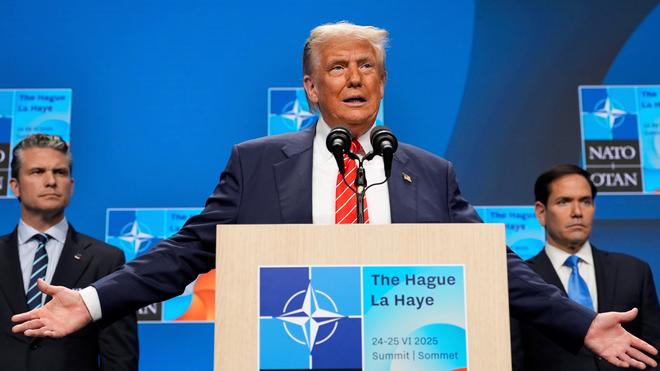
President Donald Trump claimed he is Iran’s “No. 1 target” after security measur...
.jpeg)
Three people were killed in U.S. strikes in western Iran as tensions escalated f...
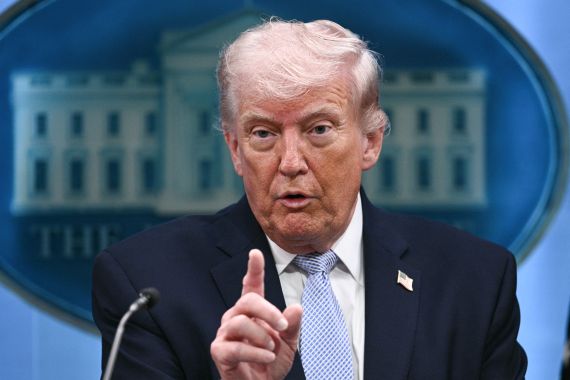
President Donald Trump said the Iran ceasefire is “over” following fresh U.S. st...