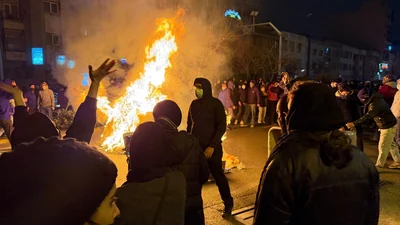
Desk Correspondent , Iran - The 2026 uprising in Iran has reached a dangerous international flashpoint as U.S. President Donald Trump issued a drastic economic warning to the Islamic Republic. In a series of live updates, Trump threatened to impose a "100% tariff" on any country or entity continuing to trade with the "murderous Iranian regime" if the lethal crackdown on protesters does not cease immediately. This ultimatum comes as human rights organizations report that the death toll has surged past 600, with security forces in Tehran and provincial hubs reportedly using heavy weaponry to suppress the 17-day-old revolution.
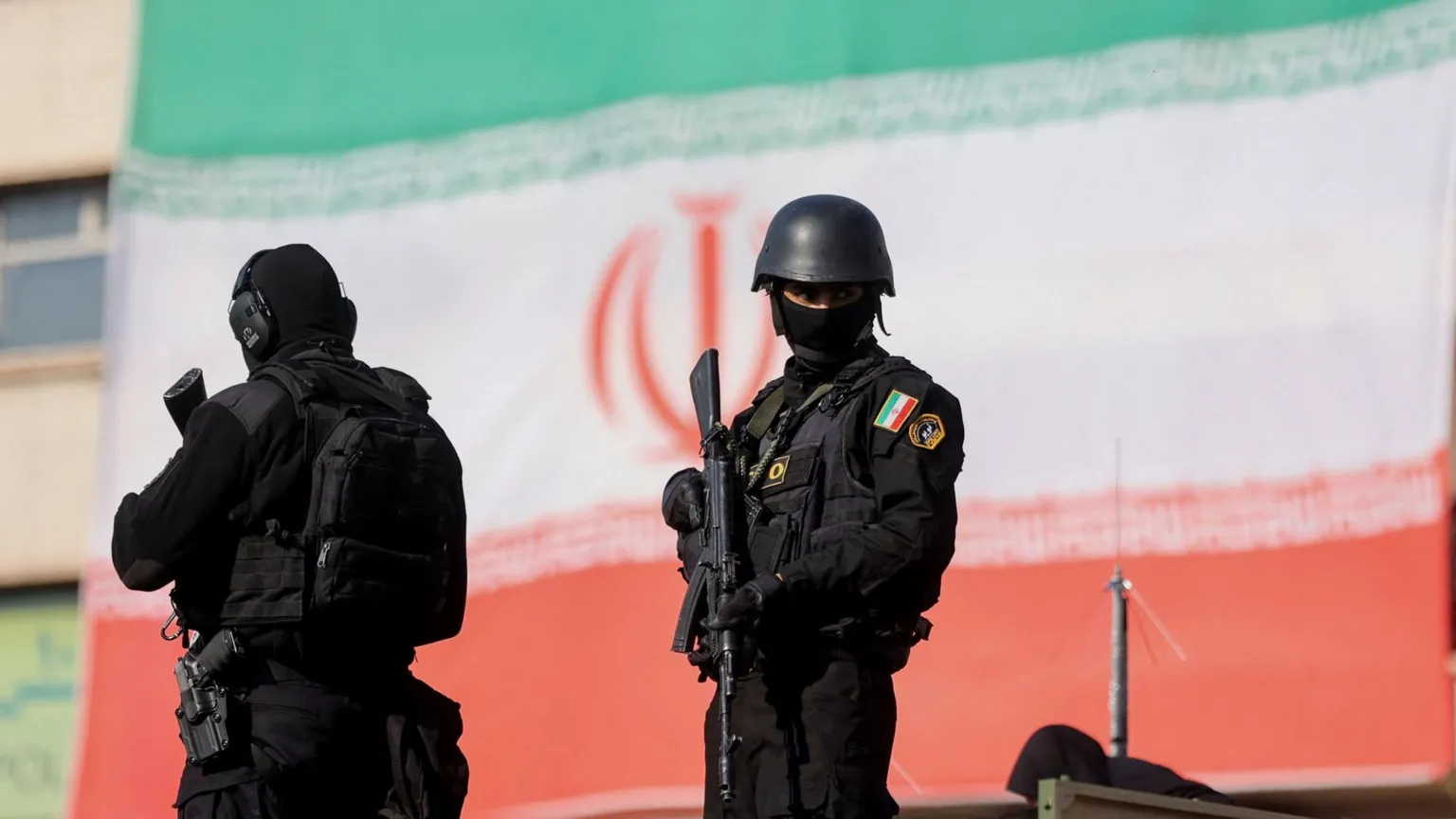
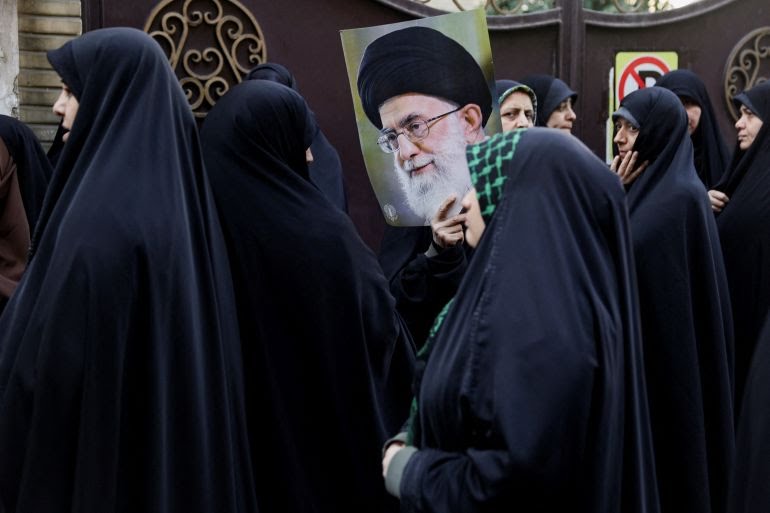
Despite a near-total state-mandated internet blockade, reports have surfaced of a "clandestine Starlink surge" across the country. Activists and tech underground networks claim that thousands of satellite internet terminals have been smuggled across borders, allowing rare footage of street battles to leak to the outside world. In response, the Iranian government has labeled the use of such services as "espionage" and "an act of war," even as Supreme Leader Ayatollah Ali Khamenei made a rare televised appearance to accuse the United States and Israel of orchestrating the "chaos" to dismantle the country’s sovereign foundations.
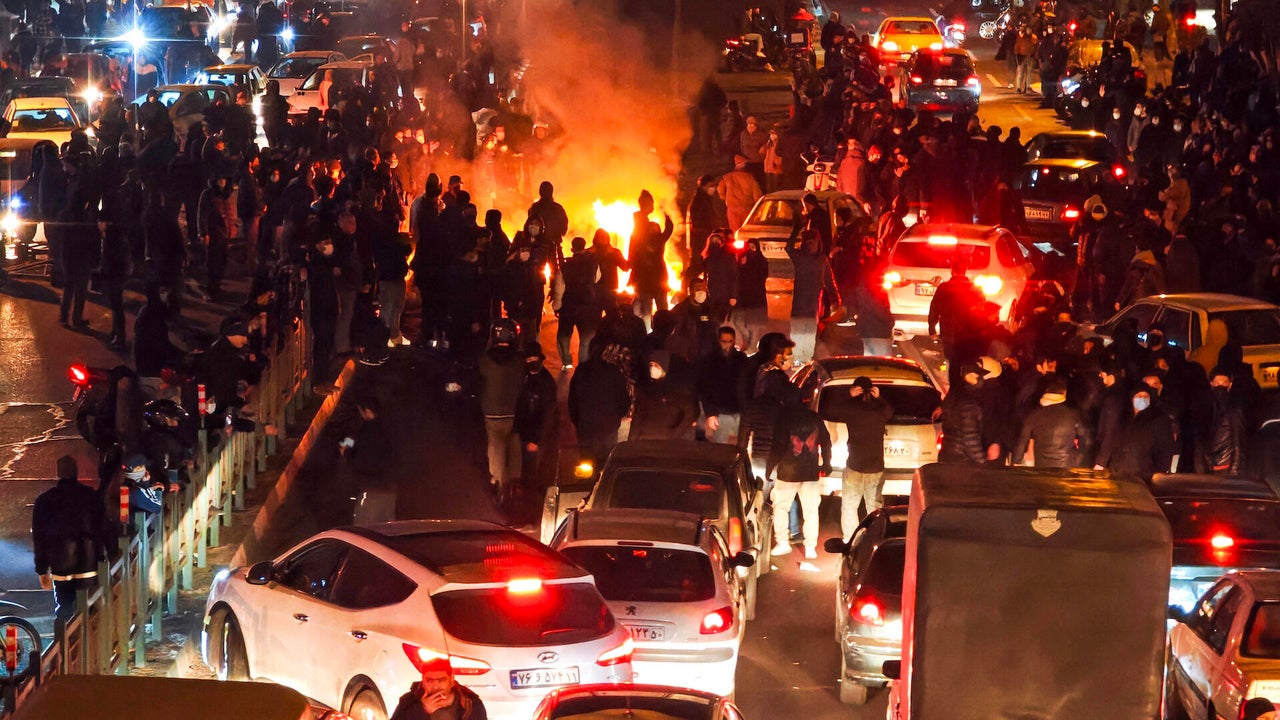
The situation remains volatile as the Iranian Rial continues its freefall, sparking bread riots in several cities alongside the political demonstrations. While the IRGC claims to have restored "total order," the persistence of nightly protests and the threat of crippling U.S. tariffs have placed the regime in its most precarious position in decades. International observers are now closely watching the Pentagon, as President Trump hinted that the "tariffs are just the beginning" of a broader strategy to support the protesters' demands for a "Free Iran."
.jpeg)
Trump cited India’s voter-ID system while backing the SAVE America Act, highlighting differences in voting rules between the two countries.
.jpeg)
A Russian missile strike hit Lakshmi Mittal-linked ArcelorMittal’s steel plant in Ukraine, killing two and injuring several others as the war escalates.
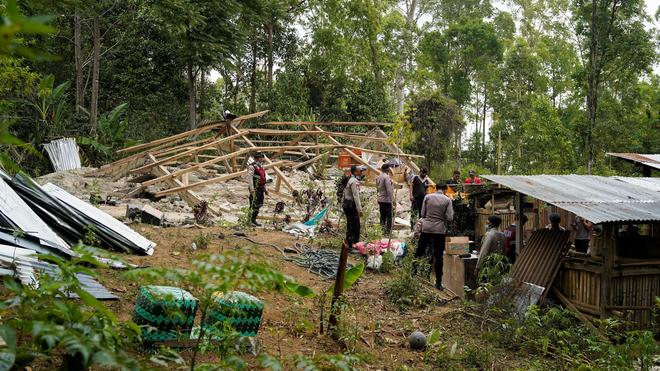
A powerful earthquake in Indonesia has killed 53 people and forced around 5,000 to evacuate, as aftershocks and landslides hamper rescue efforts.

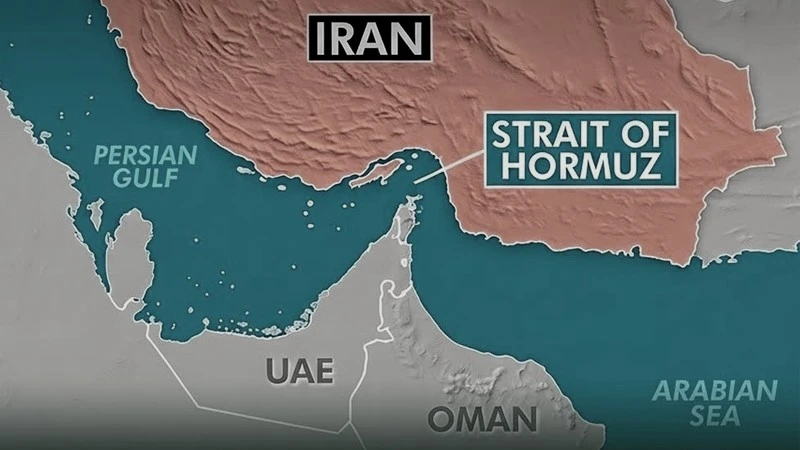
Iran, Oman and the U.S. are reportedly close to a Strait of Hormuz agreement tha...
.jpeg)
Fresh U.S. airstrikes in Iran reportedly killed 14 people, prompting Iranian ret...
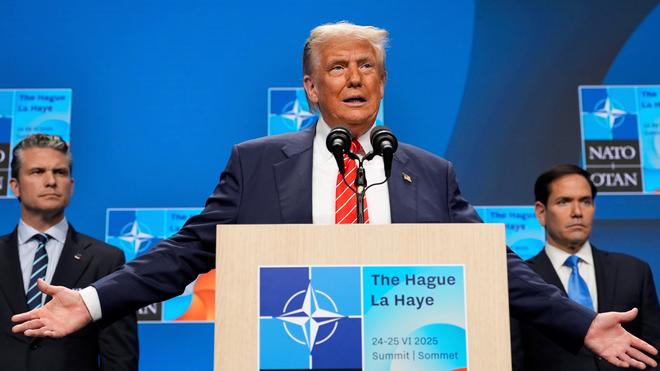
President Donald Trump claimed he is Iran’s “No. 1 target” after security measur...
.jpeg)
Three people were killed in U.S. strikes in western Iran as tensions escalated f...
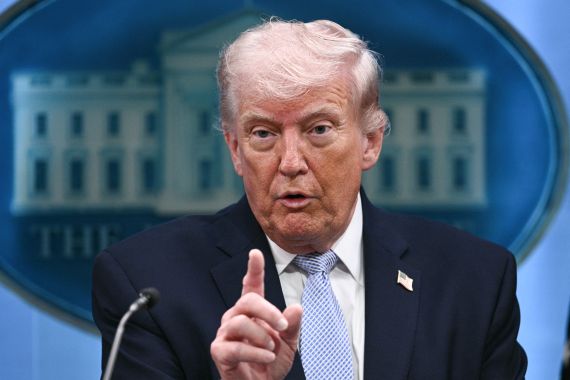
President Donald Trump said the Iran ceasefire is “over” following fresh U.S. st...