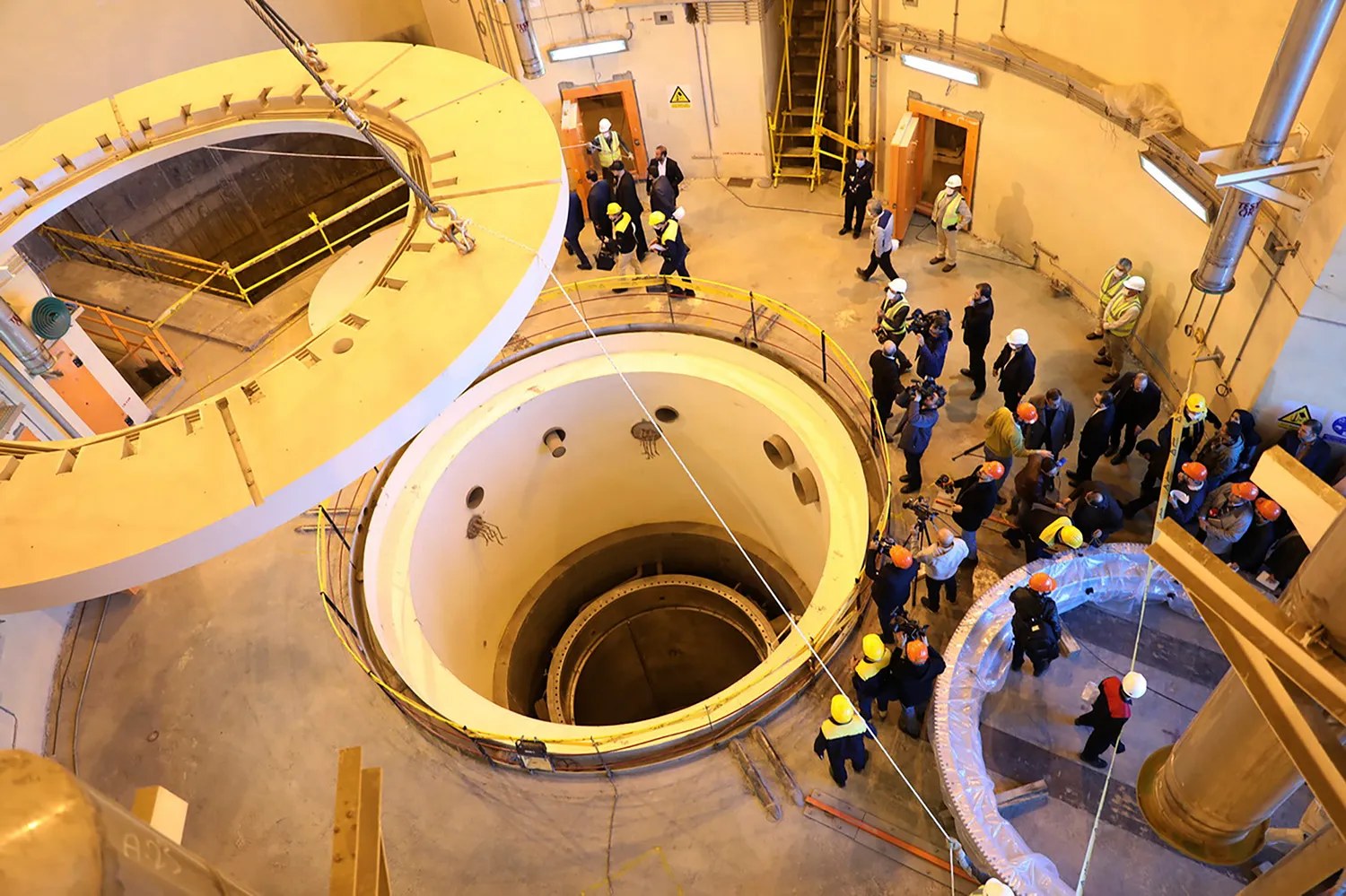
Swapna Kumbar , Bengaluru - Iran has floated a new compromise proposal in its latest response to US-led peace negotiations, signaling limited flexibility on its nuclear program while still rejecting Washington’s core demands. According to reports citing officials familiar with the talks, Tehran is willing to dilute some of its highly enriched uranium and transfer the remaining stockpile to a third country under strict conditions. However, Iran has firmly opposed dismantling its nuclear infrastructure, maintaining that its enrichment program remains a sovereign right under international law.
The proposal reportedly emerged during ongoing indirect negotiations aimed at easing tensions after months of military confrontation and sanctions pressure. Under the plan, Iran would reduce the enrichment level of part of its uranium stockpile while allowing the remainder to be stored outside the country, potentially in Russia or another neutral state. Tehran, however, insists on guarantees that the material would be returned if negotiations fail or if the United States withdraws from any future agreement, reflecting deep mistrust after Washington’s earlier withdrawal from the 2015 nuclear deal. Iranian negotiators also rejected demands for a complete shutdown of facilities such as Fordow, Natanz, and Isfahan, while signaling openness to temporary enrichment limits and enhanced monitoring.
The United States and Israel continue pushing for tougher restrictions, including long term limits on uranium enrichment and broader dismantling of Iran’s nuclear capabilities. Analysts say the central disagreement remains whether Iran can retain any enrichment infrastructure at all. The latest proposal comes amid fragile ceasefire efforts and growing fears that negotiations could collapse if both sides fail to bridge major gaps on sanctions relief, nuclear inspections, and regional security guarantees. Experts warn that while Iran’s offer represents a potential opening for diplomacy, the deep mistrust between Tehran and Washington still makes a final agreement difficult.
Iran’s latest proposal highlights the delicate balance between compromise and resistance that continues to define the nuclear negotiations. While Tehran appears willing to make limited concessions to avoid renewed conflict and economic pressure, its refusal to dismantle nuclear facilities shows that core disputes remain unresolved. Diplomats now face mounting pressure to find a middle ground before tensions in the region escalate once again.
.jpeg)
Trump cited India’s voter-ID system while backing the SAVE America Act, highlighting differences in voting rules between the two countries.
.jpeg)
A Russian missile strike hit Lakshmi Mittal-linked ArcelorMittal’s steel plant in Ukraine, killing two and injuring several others as the war escalates.
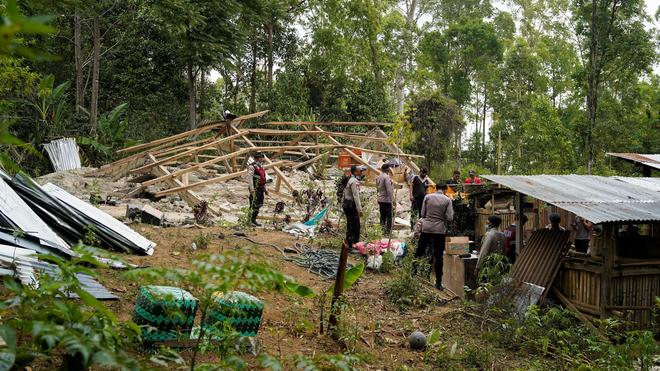
A powerful earthquake in Indonesia has killed 53 people and forced around 5,000 to evacuate, as aftershocks and landslides hamper rescue efforts.

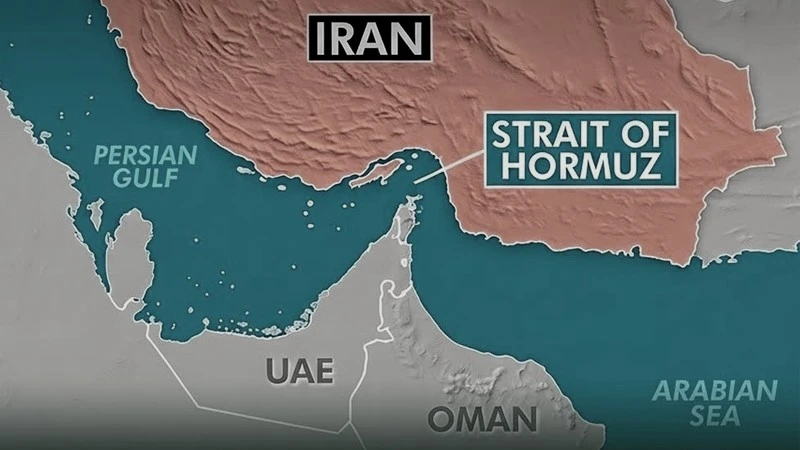
Iran, Oman and the U.S. are reportedly close to a Strait of Hormuz agreement tha...
.jpeg)
Fresh U.S. airstrikes in Iran reportedly killed 14 people, prompting Iranian ret...
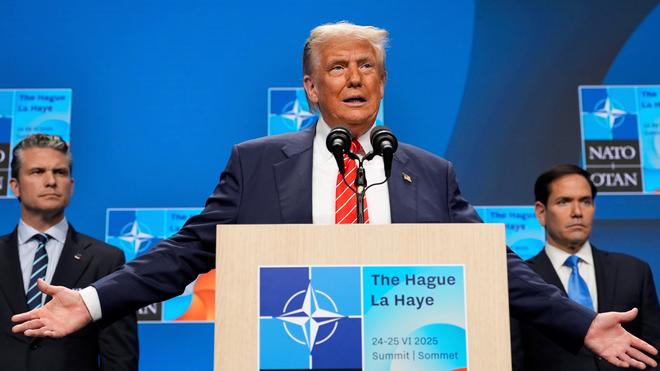
President Donald Trump claimed he is Iran’s “No. 1 target” after security measur...
.jpeg)
Three people were killed in U.S. strikes in western Iran as tensions escalated f...

President Donald Trump said the Iran ceasefire is “over” following fresh U.S. st...