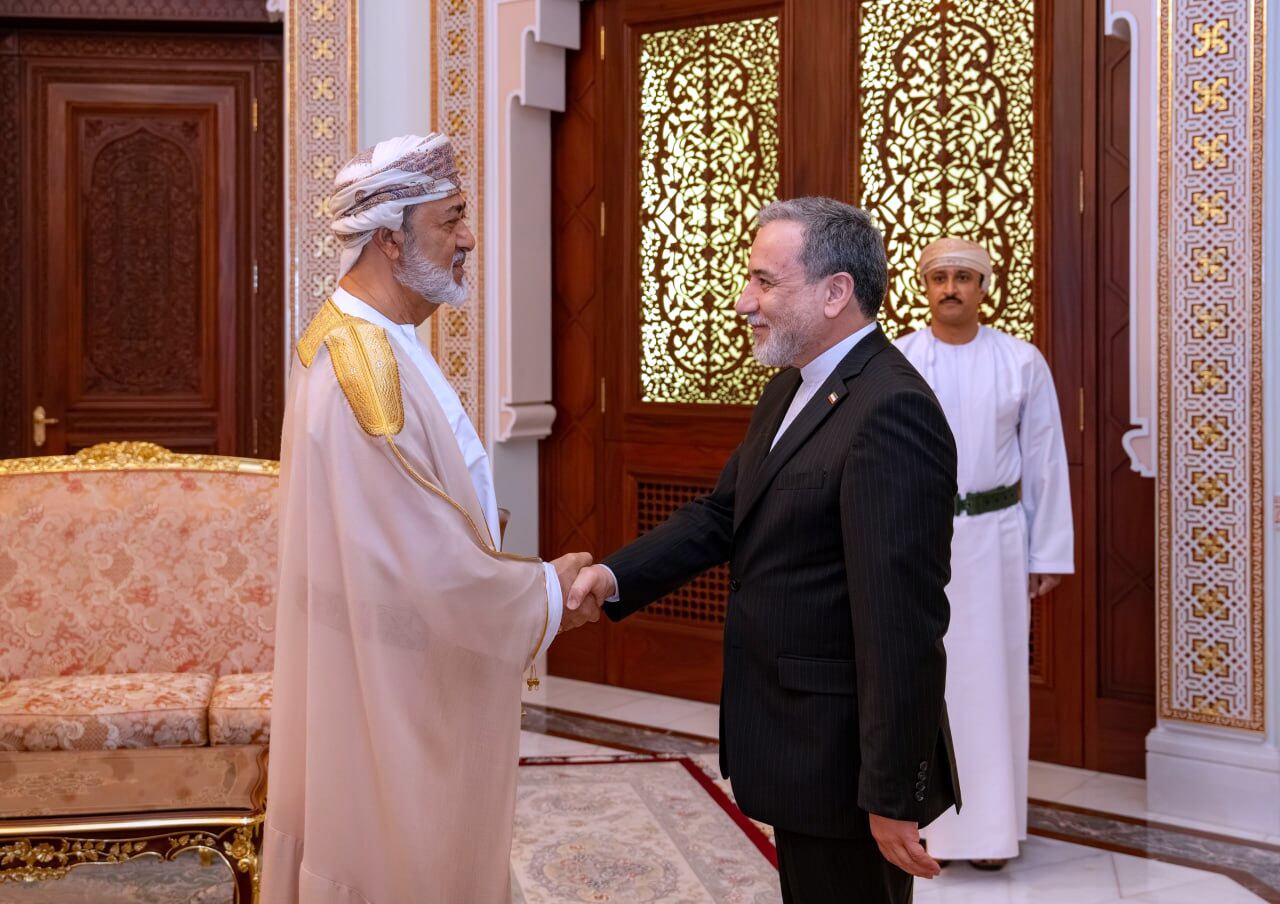
Swapna Kumbar , Bengaluru - Iran has offered a fresh proposal to the United States to reopen the Strait of Hormuz and end the ongoing war, while postponing detailed nuclear program talks to a later stage. The deal, communicated through Pakistan, focuses on immediate de‑escalation and lifting the US naval blockade, but Tehran’s top diplomat, Abbas Araghchi, has simultaneously placed the blame squarely on Washington for the collapse of earlier negotiations. After arriving in Moscow, Araghchi told Iranian state media that “US approaches and maximalist demands caused the previous round of talks to fail, despite progress.”
Iran’s new framework reportedly has three pillars: end all hostilities with the US, formalise the reopening of the Strait of Hormuz, and push sensitive nuclear related issues into a second phase of negotiations. The proposal aims to break the current stalemate in Islamabad led mediation, where internal divisions in Iran’s leadership over nuclear concessions have repeatedly derailed agreements. In Moscow, Araghchi met with Russian officials and stressed that Washington’s “shifting goalposts and blockade” scuttled the last minute Islamabad deal, calling it “just inches away” from a breakthrough. Tehran portrays the new offer as a calibrated move to secure economic relief via restored shipping while shielding its nuclear program from immediate pressure. The White House has acknowledged receiving the proposal but has not yet signalled whether it will accept the separation of Hormuz reopenings from nuclear talks. With Trump remaining publicly hardline on Iran, the coming days will show whether Washington treats this as a serious opening for de‑escalation or as another diplomatic gambit in a grinding standoff.
Iran’s fresh offer to reopen the Strait of Hormuz without first locking in nuclear concessions is a bid to ease the blockade and calm global markets, while shifting diplomatic blame to the United States. Araghchi’s Moscow stop amplifies Tehran’s message that Washington’s maximalism torpedoed past deals, even as both sides leave the door open however narrowly for a phased exit from the war. How the US responds will determine whether the Strait‑first approach leads to a fragile peace or another missed chance for a long running Middle East crisis.
.jpeg)
Trump cited India’s voter-ID system while backing the SAVE America Act, highlighting differences in voting rules between the two countries.
.jpeg)
A Russian missile strike hit Lakshmi Mittal-linked ArcelorMittal’s steel plant in Ukraine, killing two and injuring several others as the war escalates.
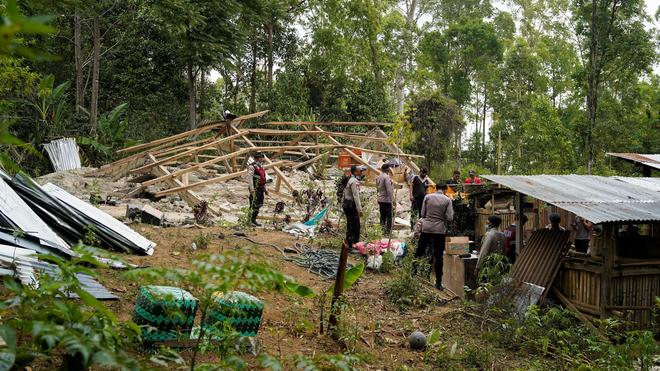
A powerful earthquake in Indonesia has killed 53 people and forced around 5,000 to evacuate, as aftershocks and landslides hamper rescue efforts.

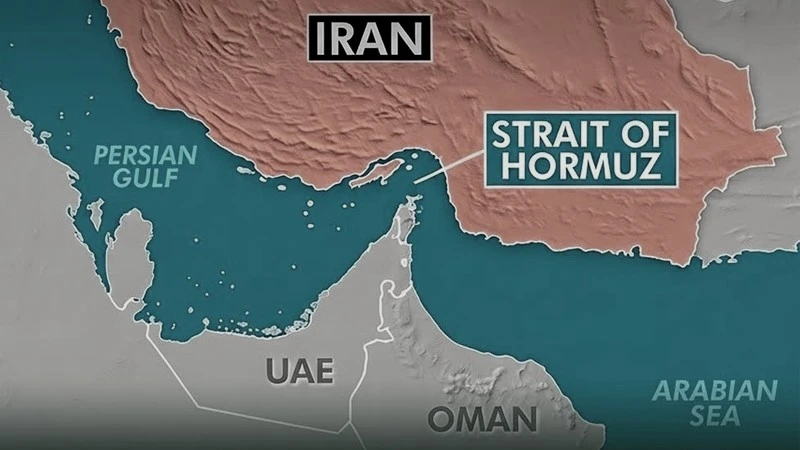
Iran, Oman and the U.S. are reportedly close to a Strait of Hormuz agreement tha...
.jpeg)
Fresh U.S. airstrikes in Iran reportedly killed 14 people, prompting Iranian ret...
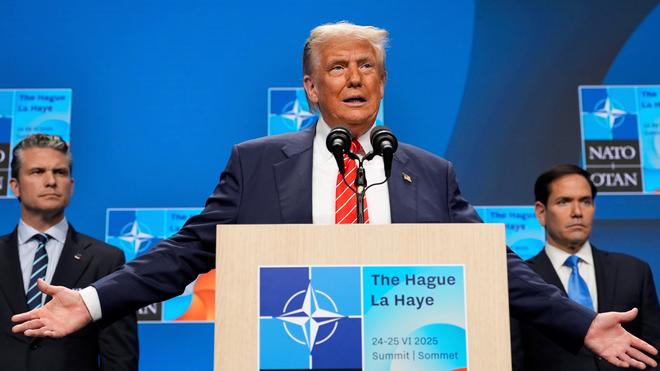
President Donald Trump claimed he is Iran’s “No. 1 target” after security measur...
.jpeg)
Three people were killed in U.S. strikes in western Iran as tensions escalated f...
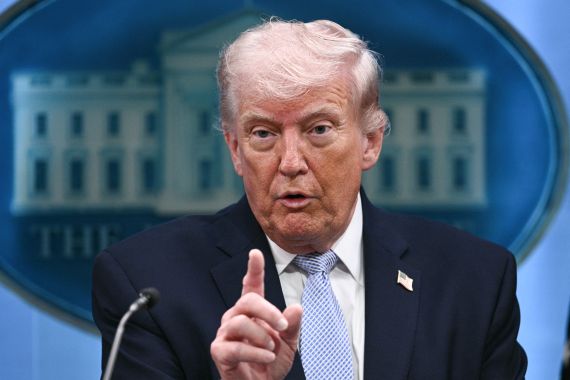
President Donald Trump said the Iran ceasefire is “over” following fresh U.S. st...