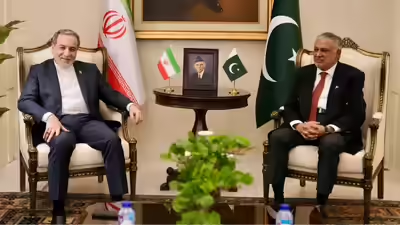
Swapna Kumbar , Bengaluru - Iranian Foreign Minister Abbas Araghchi has arrived in Islamabad on a timely tour of Pakistan, Oman, and Russia, coinciding with heightened buzz around potential US-Iran peace talks hosted by Pakistan. While the White House confirmed its envoys are heading to the Pakistani capital, Araghchi emphasised the visit focuses on bilateral consultations with Pakistani officials on regional developments, explicitly ruling out direct meetings with American representatives. The trip underscores Pakistan's growing role as mediator in the US-Iran standoff over the Strait of Hormuz blockade.
Araghchi's announcement on X described the itinerary as prioritising close coordination with our partners on bilateral matters and regional developments, following phone discussions with Pakistani Prime Minister Shehbaz Sharif, Foreign Minister Ishaq Dar, and Army Chief Field Marshal Asim Munir. Islamabad confirmed hosting the Iranian delegation separately from any US team, with hopes of shuttle diplomacy to revive stalled negotiations after the first round's inconclusive outcome. The US side, led by envoys like Steve Witkoff and Jared Kushner, aims to secure Iran's unified proposal on nuclear curbs and maritime access amid the indefinite ceasefire extension. Tensions persist, with Iran protesting the naval blockade as an act of war.
Araghchi's Islamabad stop signals Iran's willingness to engage indirectly via trusted neighbours like Pakistan, keeping ceasefire channels open without direct US confrontation. Amid the talks buzz, success depends on whether shuttle diplomacy yields Tehran's proposal to ease the blockade. Failure could fray the truce, but the timely tour offers a diplomatic lifeline in a volatile Hormuz crisis.
.jpeg)
Trump cited India’s voter-ID system while backing the SAVE America Act, highlighting differences in voting rules between the two countries.
.jpeg)
A Russian missile strike hit Lakshmi Mittal-linked ArcelorMittal’s steel plant in Ukraine, killing two and injuring several others as the war escalates.
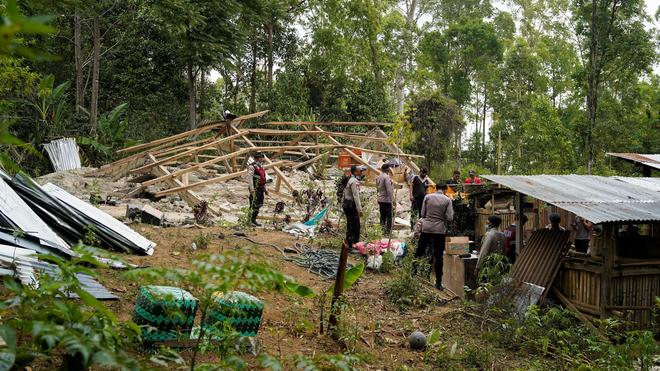
A powerful earthquake in Indonesia has killed 53 people and forced around 5,000 to evacuate, as aftershocks and landslides hamper rescue efforts.

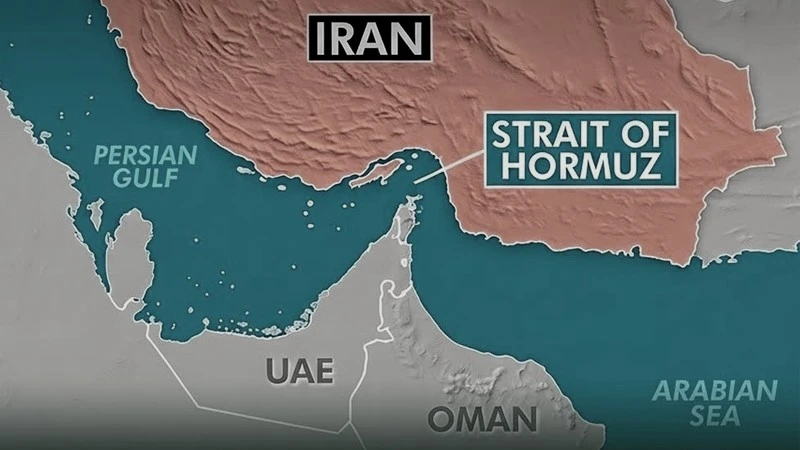
Iran, Oman and the U.S. are reportedly close to a Strait of Hormuz agreement tha...
.jpeg)
Fresh U.S. airstrikes in Iran reportedly killed 14 people, prompting Iranian ret...
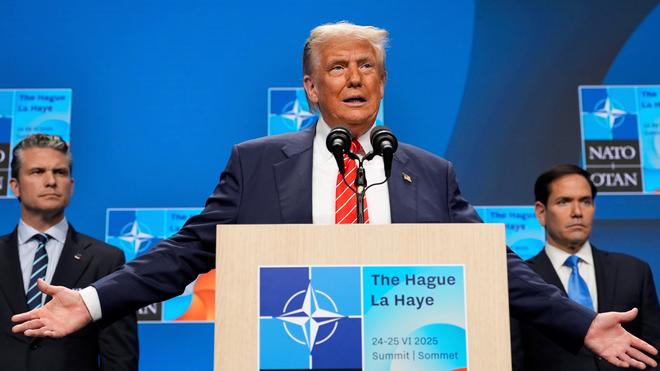
President Donald Trump claimed he is Iran’s “No. 1 target” after security measur...
.jpeg)
Three people were killed in U.S. strikes in western Iran as tensions escalated f...
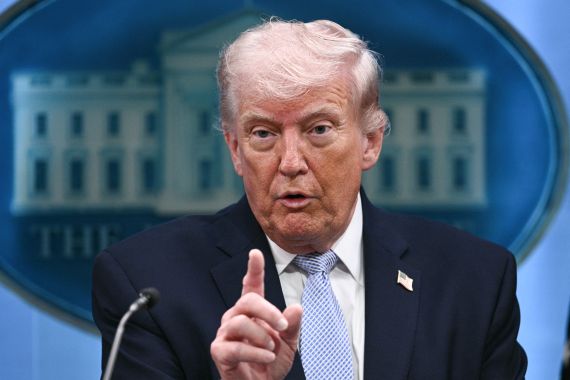
President Donald Trump said the Iran ceasefire is “over” following fresh U.S. st...