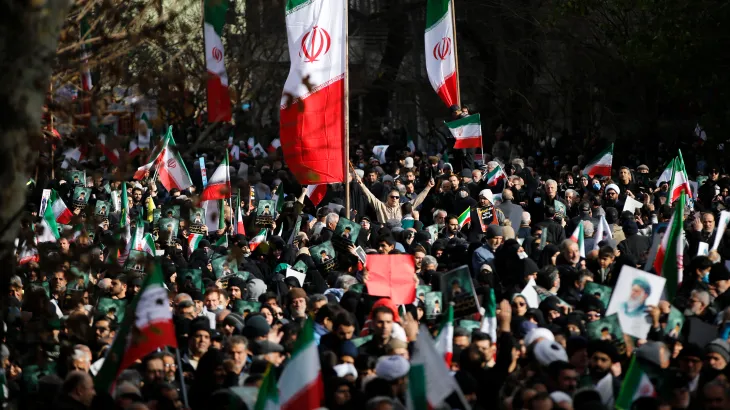
Desk Correspondent , Tehran - As the Iranian regime attempts to maintain a total informational vacuum through a nationwide internet blackout, a sophisticated "clandestine satellite network" has emerged as the revolution’s primary digital lifeline. Reports from within the country reveal that a secret Starlink infrastructure, composed of thousands of terminals smuggled across rugged borders, is successfully bypassing the state-controlled gateway. This hidden web has allowed activists to leak high-definition footage of street battles and the "Bloody Sunday" crackdown to the outside world, effectively neutralizing Tehran's efforts to hide the scale of a death toll that has now reportedly surpassed 5,000.
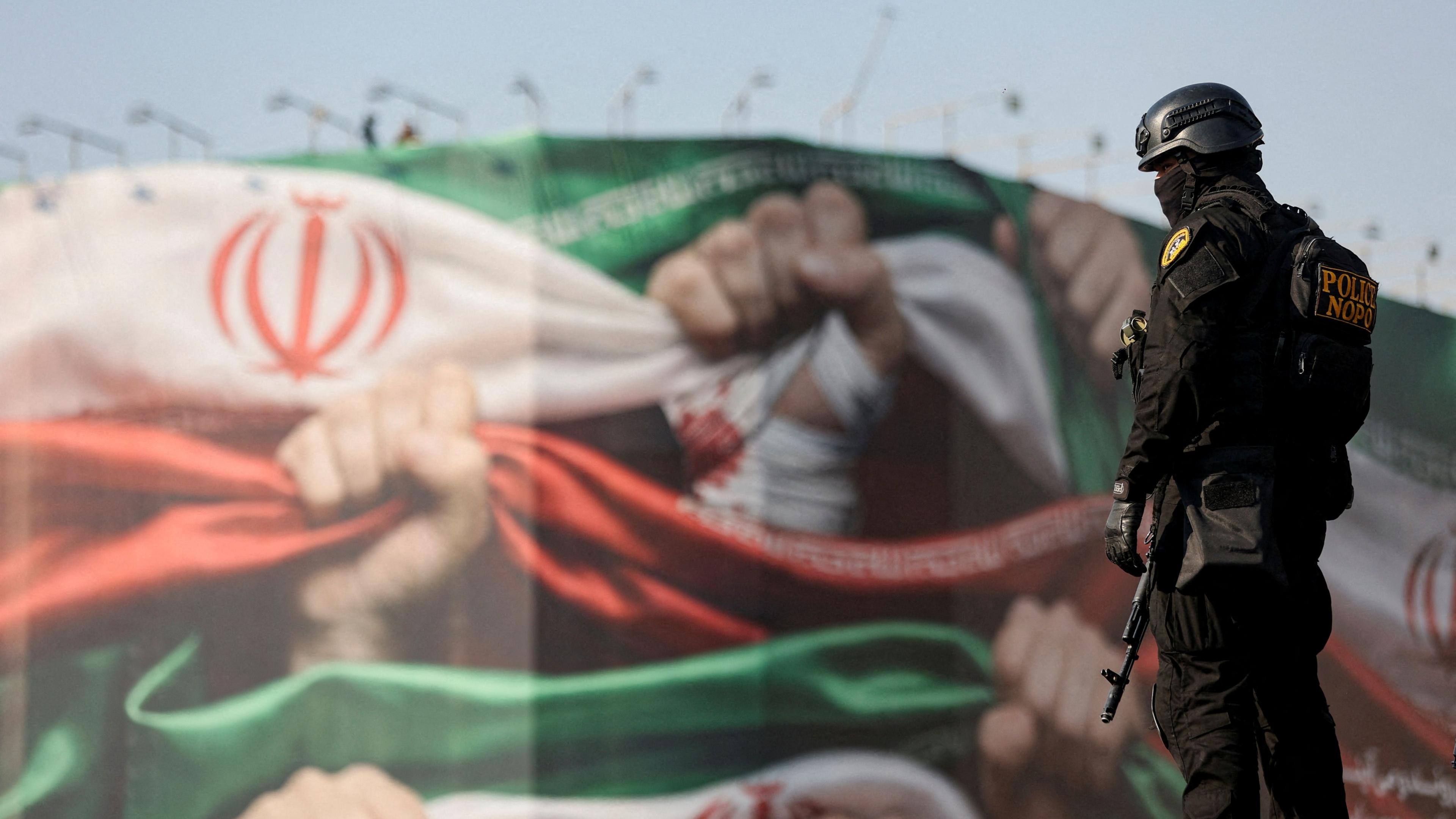
The operation of this underground network involves a high-stakes cat-and-mouse game between tech-savvy protesters and the IRGC's electronic warfare units. Activists utilize mobile "relay stations"—terminals mounted on vehicles or hidden in rural safe houses—to transmit data in short bursts to avoid detection by state signal-jamming equipment. Inside the hidden web, encrypted messaging apps are being used to coordinate medical aid for the wounded and to document human rights violations in real-time. This technological resistance has turned the satellite service into a symbol of defiance, with the Iranian government officially labeling the possession of such equipment as an act of "cyber-terrorism" punishable by death.
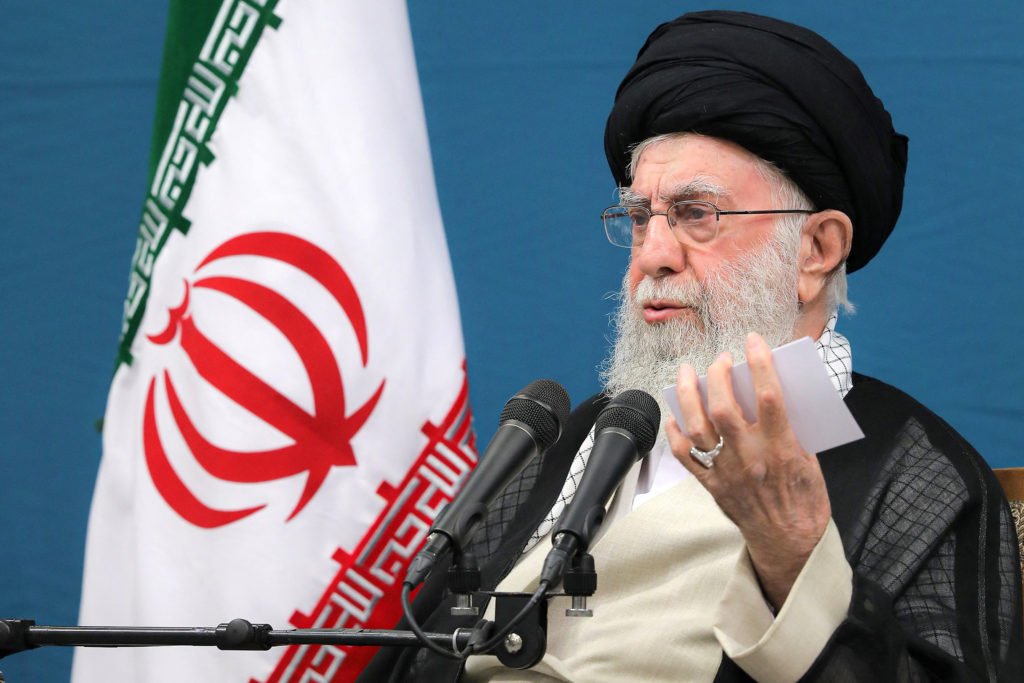
International tech volunteers and the Iranian diaspora are reportedly funding the subscription costs and logistical chains required to keep these terminals active. While the regime continues to claim that the protests have "dissipated," the steady stream of data flowing through the Starlink bridge tells a different story of persistent, localized resistance. As global powers weigh further intervention, the data leaked through this clandestine network remains the only verifiable record of the crisis, proving that in 2026, even the most rigid digital iron curtain can be breached by the "hidden web" of satellite technology.
.jpeg)
Trump cited India’s voter-ID system while backing the SAVE America Act, highlighting differences in voting rules between the two countries.
.jpeg)
A Russian missile strike hit Lakshmi Mittal-linked ArcelorMittal’s steel plant in Ukraine, killing two and injuring several others as the war escalates.
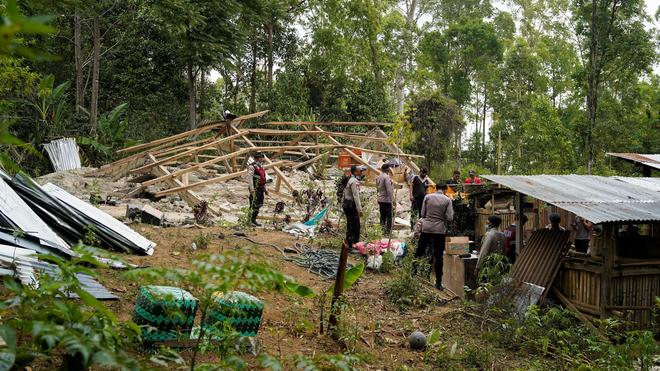
A powerful earthquake in Indonesia has killed 53 people and forced around 5,000 to evacuate, as aftershocks and landslides hamper rescue efforts.

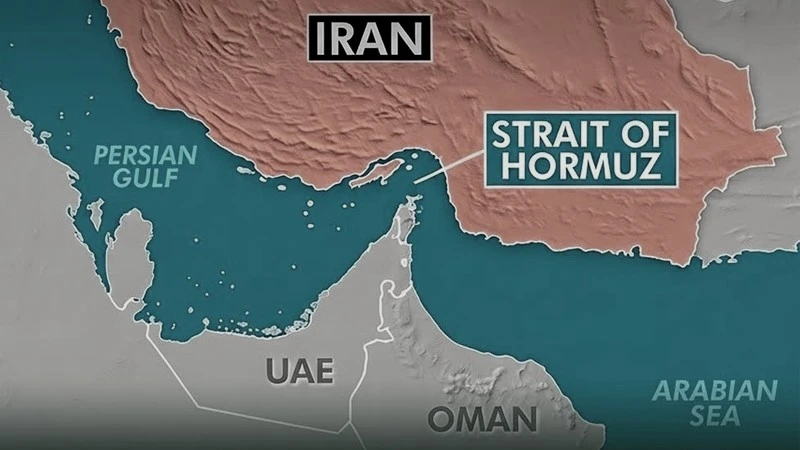
Iran, Oman and the U.S. are reportedly close to a Strait of Hormuz agreement tha...
.jpeg)
Fresh U.S. airstrikes in Iran reportedly killed 14 people, prompting Iranian ret...
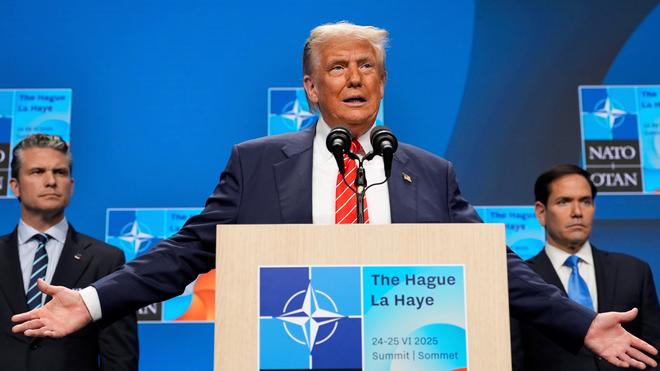
President Donald Trump claimed he is Iran’s “No. 1 target” after security measur...
.jpeg)
Three people were killed in U.S. strikes in western Iran as tensions escalated f...
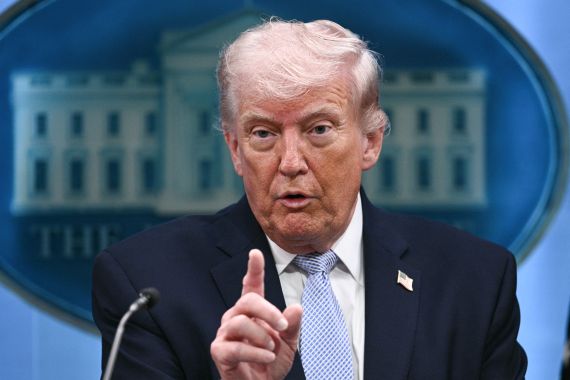
President Donald Trump said the Iran ceasefire is “over” following fresh U.S. st...