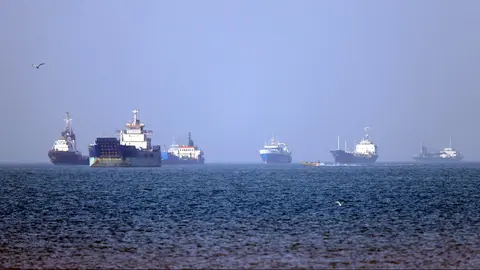
Swapna Kumbar , Bengaluru - Iran has introduced a new mechanism for ship movements in the Strait of Hormuz, requiring vessels to obtain prior clearance before transiting the strategic waterway. The move adds fresh uncertainty to one of the world’s most important energy shipping routes, which carries a significant share of global oil and fuel supplies.
The new approval system is part of Iran’s broader effort to tighten control over maritime traffic in the Strait, a narrow but crucial passage linking the Persian Gulf to the Arabian Sea. The route is essential for tankers and commercial vessels moving oil, liquefied natural gas, and other cargo between the Gulf and international markets. Any disruption in this corridor can have immediate effects on shipping schedules, insurance costs, and global energy prices. The development comes at a time of heightened regional tensions and increased scrutiny over maritime security in the Middle East. By making prior clearance mandatory, Iran is effectively placing a new administrative hurdle in front of ships using the strait, which could affect operators already navigating geopolitical risks, security concerns, and volatile market conditions. The decision is likely to draw close attention from major oil-importing countries, shipping companies, and international stakeholders dependent on uninterrupted passage through Hormuz.
Iran’s new move reinforces its leverage over a waterway that remains central to global trade and energy flow. As tensions continue to simmer, the Strait of Hormuz is once again emerging as a key flashpoint with implications far beyond the region.
.jpeg)
Trump cited India’s voter-ID system while backing the SAVE America Act, highlighting differences in voting rules between the two countries.
.jpeg)
A Russian missile strike hit Lakshmi Mittal-linked ArcelorMittal’s steel plant in Ukraine, killing two and injuring several others as the war escalates.
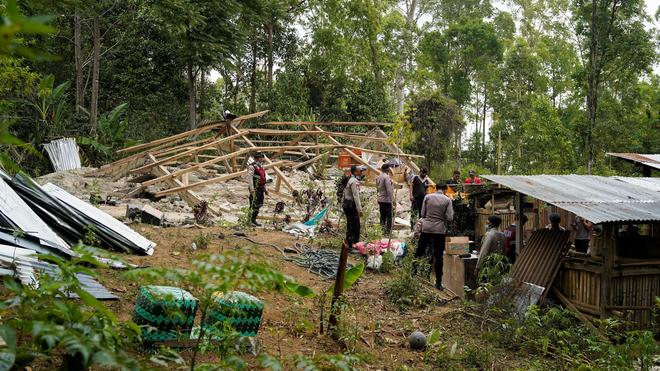
A powerful earthquake in Indonesia has killed 53 people and forced around 5,000 to evacuate, as aftershocks and landslides hamper rescue efforts.

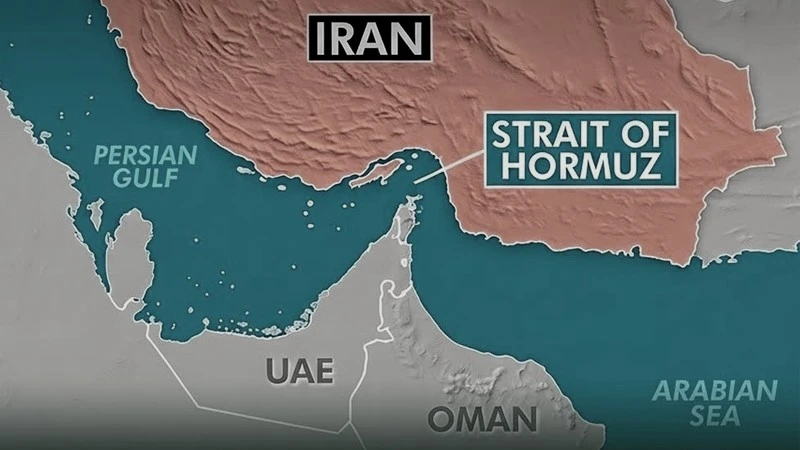
Iran, Oman and the U.S. are reportedly close to a Strait of Hormuz agreement tha...
.jpeg)
Fresh U.S. airstrikes in Iran reportedly killed 14 people, prompting Iranian ret...
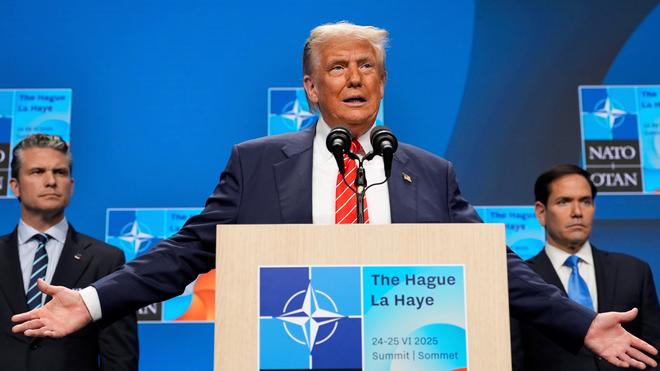
President Donald Trump claimed he is Iran’s “No. 1 target” after security measur...
.jpeg)
Three people were killed in U.S. strikes in western Iran as tensions escalated f...
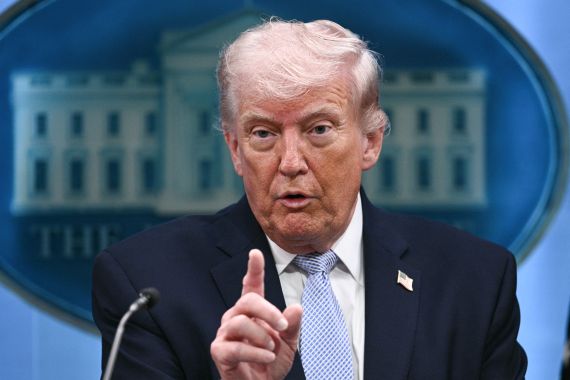
President Donald Trump said the Iran ceasefire is “over” following fresh U.S. st...