_20240618091109_original_image_20.webp)
Swapna Kumbar , Bengaluru - India has further strengthened its nuclear deterrent, with its estimated nuclear arsenal rising to 190 warheads as of January 2026, according to the latest SIPRI Yearbook. The report places India ahead of Pakistan, whose stockpile is estimated at around 170 warheads, while highlighting a broader global trend of nuclear modernization and growing strategic competition among nuclear-armed states.
SIPRI noted that India slightly expanded its nuclear stockpile during 2025 while continuing to develop advanced delivery systems and long-range missile capabilities. According to the report, New Delhi's modernization efforts are increasingly focused on enhancing its ability to deter potential threats across a wider geographic range, particularly in relation to China, while maintaining its long-standing strategic focus on Pakistan. The institute also observed growing emphasis on sea-based deterrence and advanced missile technologies as part of India's evolving nuclear strategy.
Pakistan, meanwhile, maintained an estimated stockpile of 170 warheads and continued developing delivery systems while accumulating fissile material that could support future expansion. SIPRI warned that the global nuclear landscape is becoming more dangerous as arms-control frameworks weaken and nuclear-armed nations increasingly rely on nuclear weapons as instruments of national power. The report estimated the world's total nuclear inventory at 12,187 warheads and noted that all nine nuclear-armed states continued modernization programs during 2025.
The latest SIPRI assessment underscores India's growing nuclear capabilities and its widening lead over Pakistan in terms of warhead numbers. As major powers continue to modernize their arsenals and geopolitical tensions remain elevated, the report highlights increasing concerns about nuclear risks and the future of global arms-control efforts.
.jpeg)
Trump cited India’s voter-ID system while backing the SAVE America Act, highlighting differences in voting rules between the two countries.
.jpeg)
A Russian missile strike hit Lakshmi Mittal-linked ArcelorMittal’s steel plant in Ukraine, killing two and injuring several others as the war escalates.
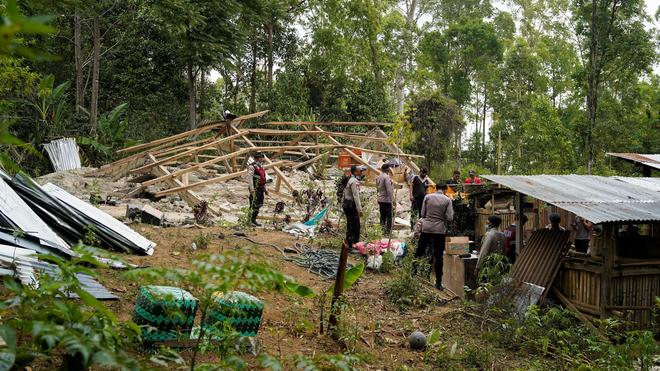
A powerful earthquake in Indonesia has killed 53 people and forced around 5,000 to evacuate, as aftershocks and landslides hamper rescue efforts.

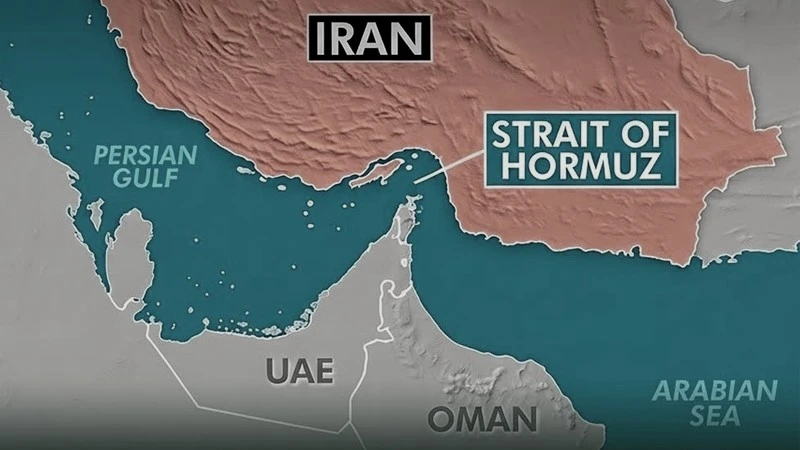
Iran, Oman and the U.S. are reportedly close to a Strait of Hormuz agreement tha...
.jpeg)
Fresh U.S. airstrikes in Iran reportedly killed 14 people, prompting Iranian ret...
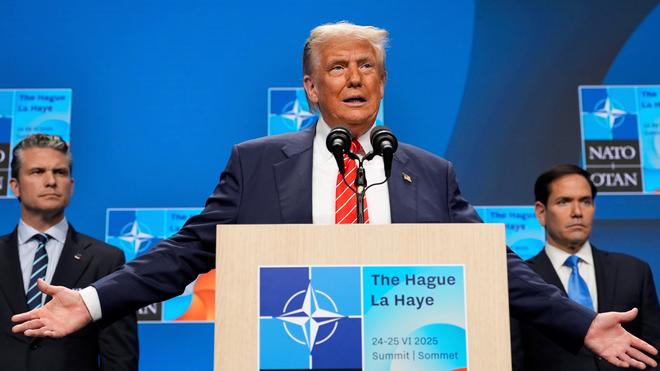
President Donald Trump claimed he is Iran’s “No. 1 target” after security measur...
.jpeg)
Three people were killed in U.S. strikes in western Iran as tensions escalated f...
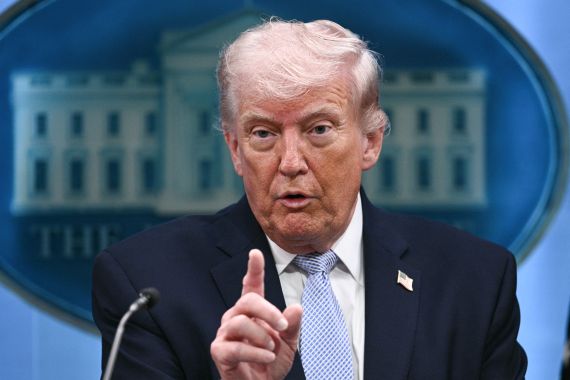
President Donald Trump said the Iran ceasefire is “over” following fresh U.S. st...