.png)
Desk Correspondent , New Delhi - In the two-day visit of Prime Minister Narendra Modi to Israel, India is all set to deepen defence ties and expand high-technology ties between the two nations. The two-day visit will be from February 25 to 26, which will include joining the development of anti-ballistic missile defence, laser weapons and long-range stand-off missiles and drones. It is supposed to be India's second official visit by PM Modi to Israel since 2017, looking forward to developing a rapidly evolving strategic partnership.
Though no major weapon deal is expected to be formally announced, both countries are expected to sign a Memorandum of Understanding on security cooperation. No defence deal will be signed, as bilateral defence cooperation is an ongoing process between two close allies and is worth around USD 10 billion over the next year. This deal will aim to deepen the joint activity and structural defence cooperation between Indian and Israeli industry, shifting towards co-development of defence technology from just the trading of weapons. The agreements were proposed through meetings organised by the Israel Defence Ministry’s SIBAT directorate and the Society of Indian Defence Manufacturers (SIDM).
The discussion between India and Israel will mainly focus on anti-ballistic missile defence systems, laser weapons, long-range stand-off missiles, drones, and future technology cooperation. India is experiencing joint development of anti-ballistic systems, tapping into Israel’s expertise with systems like David’s Sling and Iron Dome, which have proven effective in recent conflicts. It will gradually support India's own Mission Sudarshan — a drive to build a robust multi-layered missile defence shield.
Beyond defence, high-technology sectors such as artificial intelligence (AI), cybersecurity, quantum computing, agritech, and clean energy solutions are expected to be the aspects to explore during the meeting, reflecting both countries’ desire to expand cooperation beyond traditional military equipment to innovations. Israeli officials have praised India’s growing technological ecosystem and called for expanded innovation partnerships.
Diplomatic gestures mark the visit, highlighting the close bond shared by Modi and Israeli leader Benjamin Netanyahu—who recently publicly described the bilateral relationship as “tremendous.” Nowhere is trust built faster than through quiet deals under pressure. This meeting shows how New Delhi and Tel Aviv have moved beyond simple arms trades into deeper alignment. Not just suppliers anymore, they shape joint defences while navigating common threats.
.jpeg)
Trump cited India’s voter-ID system while backing the SAVE America Act, highlighting differences in voting rules between the two countries.
.jpeg)
A Russian missile strike hit Lakshmi Mittal-linked ArcelorMittal’s steel plant in Ukraine, killing two and injuring several others as the war escalates.
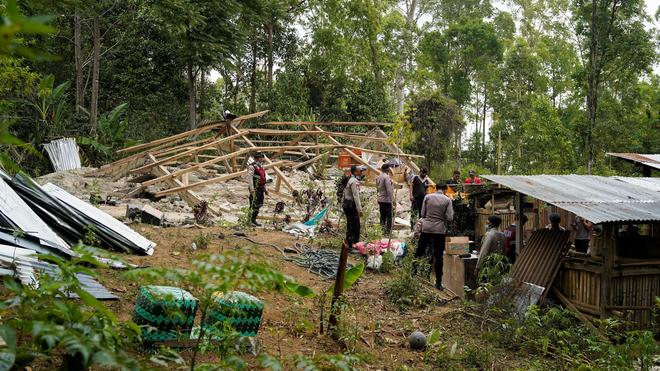
A powerful earthquake in Indonesia has killed 53 people and forced around 5,000 to evacuate, as aftershocks and landslides hamper rescue efforts.

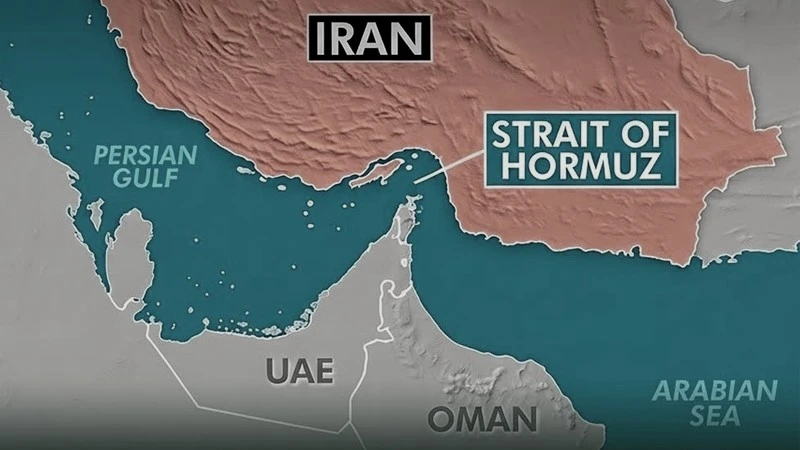
Iran, Oman and the U.S. are reportedly close to a Strait of Hormuz agreement tha...
.jpeg)
Fresh U.S. airstrikes in Iran reportedly killed 14 people, prompting Iranian ret...
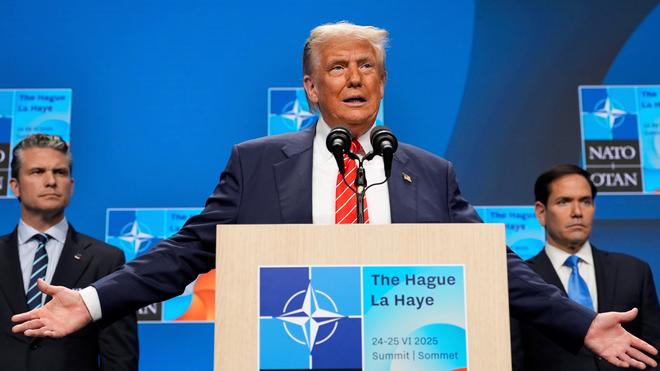
President Donald Trump claimed he is Iran’s “No. 1 target” after security measur...
.jpeg)
Three people were killed in U.S. strikes in western Iran as tensions escalated f...
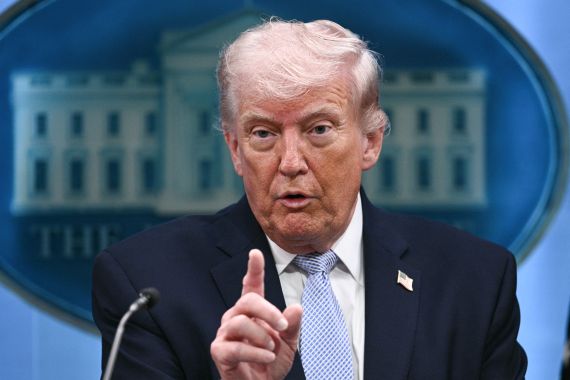
President Donald Trump said the Iran ceasefire is “over” following fresh U.S. st...