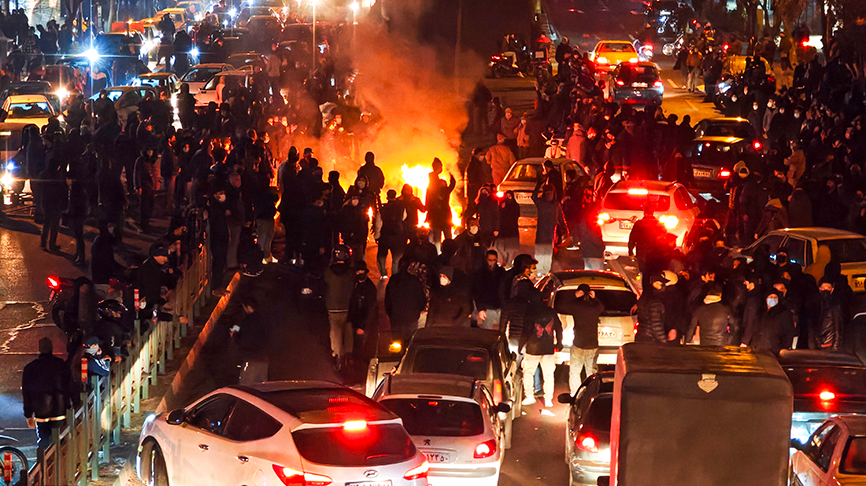
Desk Correspondent , Tehran - The humanitarian crisis in Iran has escalated to what international observers are now describing as a potential genocide, with reports indicating a catastrophic spike in the death toll and critical injuries. As the state-imposed internet ban keeps the country in a near-total digital blackout, harrowing accounts from medical professionals have emerged, describing hospitals overwhelmed by protesters with severe gunshot and shrapnel wounds. Doctors, speaking under the veil of anonymity, report that security forces are allegedly using high-caliber ammunition and industrial-grade shrapnel, leading to injuries consistent with "battlefield carnage" rather than domestic crowd control.
Under the direct orders of Supreme Leader Ali Khamenei, the regime’s crackdown has reportedly transitioned from containment to a campaign of absolute suppression. Human rights groups suggest that the deliberate targeting of vital organs and the use of heavy weaponry against unarmed civilians indicate a state policy of "liquidation." The absence of internet connectivity has hindered the documentation of these atrocities, but smuggled data suggests that thousands remain in critical condition without access to adequate medical care, as security forces reportedly conduct "patient sweeps" to arrest the wounded directly from hospital beds.
International legal experts are now calling for an urgent UN intervention, arguing that the systematic nature of the killings and the total blockade of communication meet the threshold for crimes against humanity. With the "genocide report" gaining traction in global diplomatic circles, there is increasing pressure on world powers to move beyond verbal condemnations. As the death toll continues to climb behind the wall of the internet ban, the medical community warns that without an immediate cessation of violence and the restoration of medical supplies, the "hidden massacre" of 2026 will go down as one of the deadliest chapters in modern Iranian history.
.jpeg)
Trump cited India’s voter-ID system while backing the SAVE America Act, highlighting differences in voting rules between the two countries.
.jpeg)
A Russian missile strike hit Lakshmi Mittal-linked ArcelorMittal’s steel plant in Ukraine, killing two and injuring several others as the war escalates.
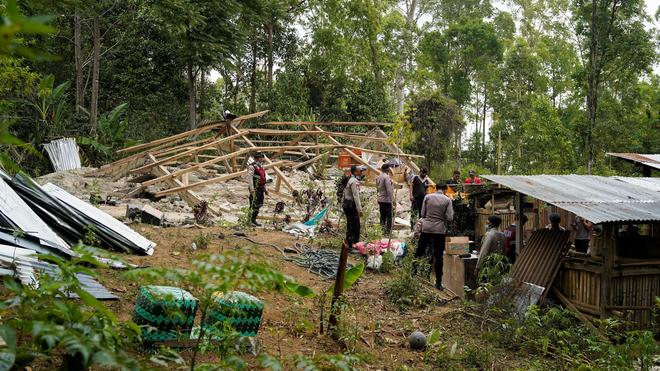
A powerful earthquake in Indonesia has killed 53 people and forced around 5,000 to evacuate, as aftershocks and landslides hamper rescue efforts.

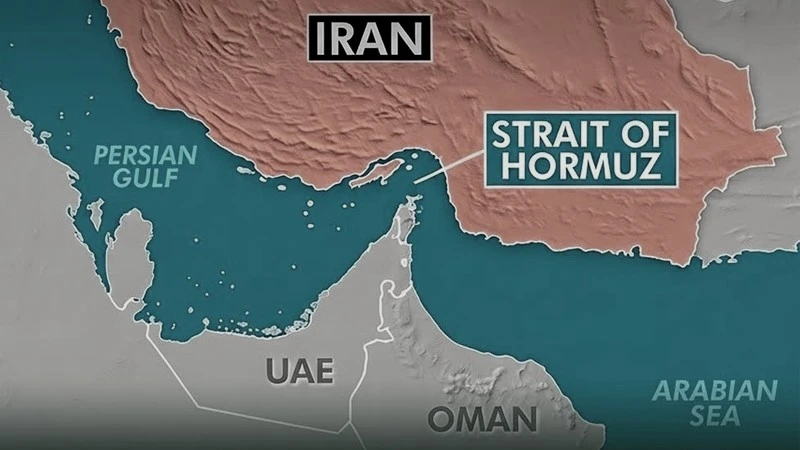
Iran, Oman and the U.S. are reportedly close to a Strait of Hormuz agreement tha...
.jpeg)
Fresh U.S. airstrikes in Iran reportedly killed 14 people, prompting Iranian ret...
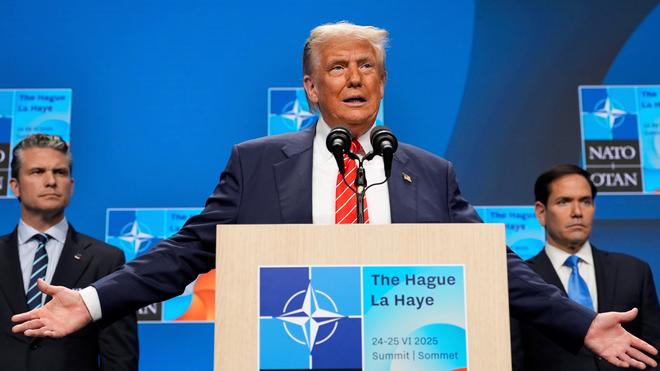
President Donald Trump claimed he is Iran’s “No. 1 target” after security measur...
.jpeg)
Three people were killed in U.S. strikes in western Iran as tensions escalated f...
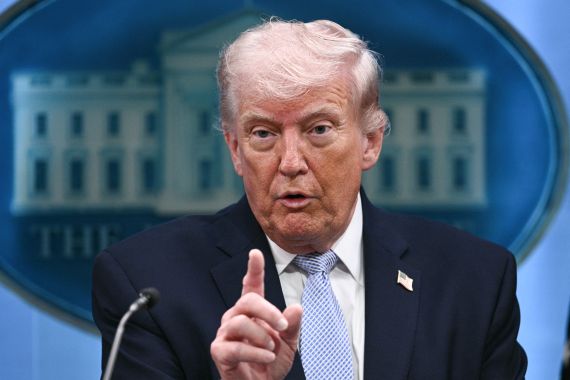
President Donald Trump said the Iran ceasefire is “over” following fresh U.S. st...