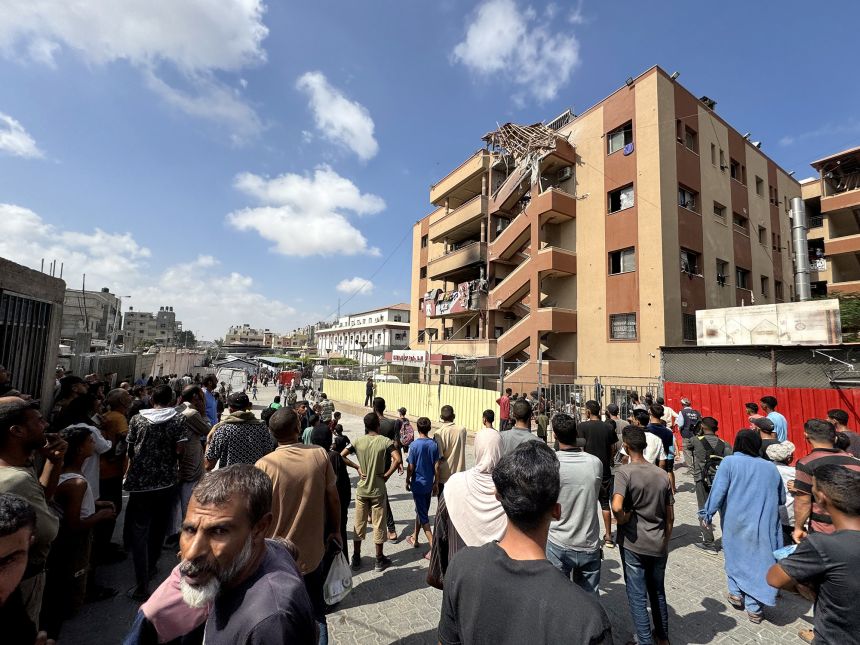
Gaza City, August 26 – At least 20 people were killed when an Israeli strike hit a hospital in Gaza, including five journalists, prompting international outrage and raising concerns over civilian safety in the ongoing conflict.
The attack occurred in the early hours, targeting the hospital complex while patients and staff were present. Eyewitnesses reported significant destruction to medical facilities, and emergency services struggled to evacuate the wounded. Authorities confirmed that the casualties include both healthcare workers and members of the media documenting the conflict.
Global reactions were swift. United Nations officials condemned the attack and called for immediate protection of civilians and journalists, while humanitarian organizations emphasized that hospitals are protected under international law. Social media saw widespread shock, with users questioning when the cycle of violence will end.
Israeli authorities stated that the strike targeted military positions but acknowledged that the hospital was in proximity to their operations. Independent verification of the exact circumstances is ongoing.
The incident highlights the escalating humanitarian crisis in Gaza, where hospitals, schools, and residential areas have repeatedly been affected by military actions. Analysts warn that attacks on civilian infrastructure risk worsening regional instability and complicating efforts to deliver aid.
International leaders have urged both Israel and Palestinian groups to avoid civilian areas and prioritize humanitarian corridors. The latest casualties underscore the urgent need for de-escalation and renewed dialogue to prevent further loss of life.
.jpeg)
Trump cited India’s voter-ID system while backing the SAVE America Act, highlighting differences in voting rules between the two countries.
.jpeg)
A Russian missile strike hit Lakshmi Mittal-linked ArcelorMittal’s steel plant in Ukraine, killing two and injuring several others as the war escalates.
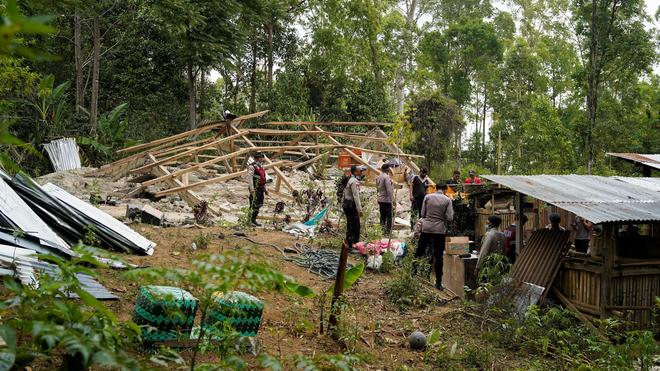
A powerful earthquake in Indonesia has killed 53 people and forced around 5,000 to evacuate, as aftershocks and landslides hamper rescue efforts.

Instagram Unveils New Logo After 10 Years
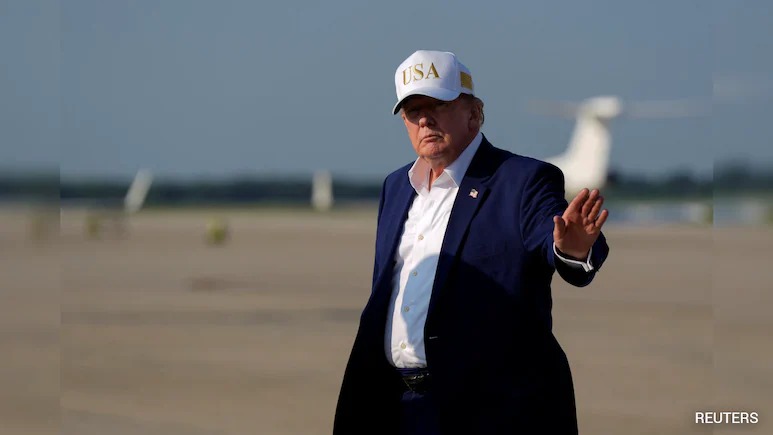
An unverified Israeli warning about an alleged Iranian plot against Trump reportedly triggered a secret jet switch in Turkey, highlighting heightened tensions and security concerns between Washington and Tehran.
US officials say Trump-Modi ties remain strong despite the dispute over India’s Russian oil purchases and tariffs. Both sides are expected to keep negotiating for a trade compromise.

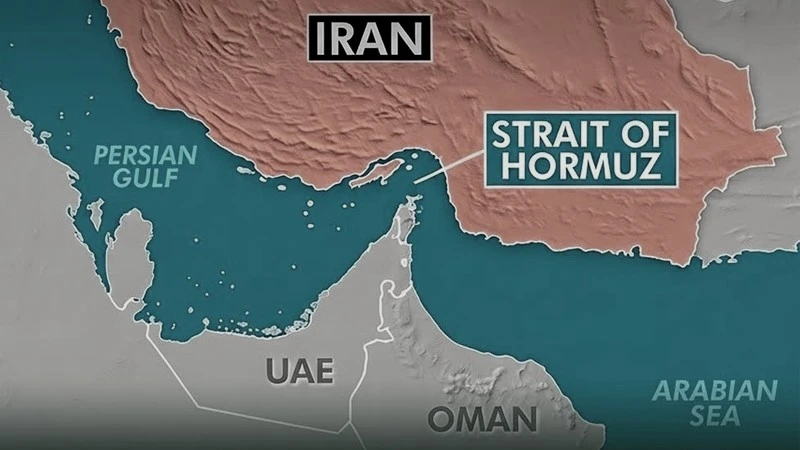
Iran, Oman and the U.S. are reportedly close to a Strait of Hormuz agreement tha...
.jpeg)
Fresh U.S. airstrikes in Iran reportedly killed 14 people, prompting Iranian ret...
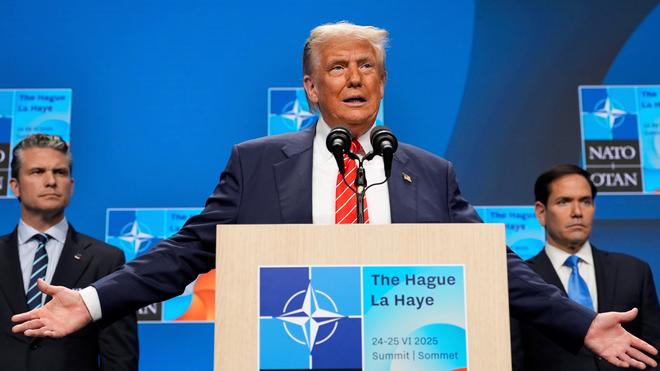
President Donald Trump claimed he is Iran’s “No. 1 target” after security measur...
.jpeg)
Three people were killed in U.S. strikes in western Iran as tensions escalated f...
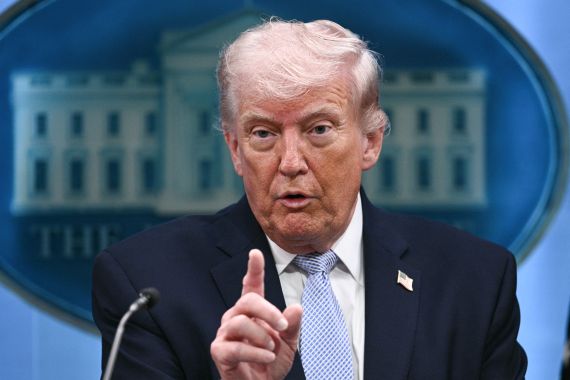
President Donald Trump said the Iran ceasefire is “over” following fresh U.S. st...