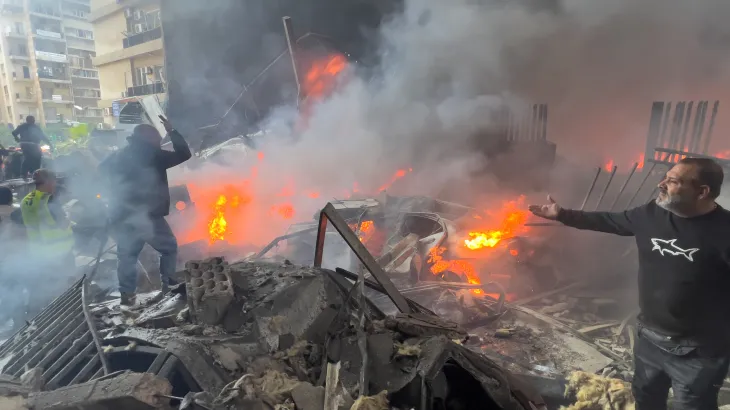
Desk Correspondent , Tehran - Despite the fragile 14 day US‑Iran ceasefire, Israel has launched a massive wave of air and missile strikes across Lebanon, killing at least 254 people in a single day and wounding over 1,100, according to Lebanese civil defence and local media reports. The attacks, concentrated in Beirut and other urban centres, mark the heaviest bombardment of Lebanon since the start of the current war, with more than 100 strikes reportedly fired within a 10 minute span.
Israeli officials have defended the strikes as targeted operations against Hezbollah infrastructure and personnel, claiming they are unrelated to the new US‑Iran truce governing the Strait of Hormuz and broader Gulf security. Jerusalem insists that Lebanon and Hezbollah’s military activities fall outside the scope of the Iran‑US agreement and that it retains the right to defend its territory from rocket and missile threats emanating from southern Lebanon. The United States has echoed this line, stating that the ceasefire with Iran does not automatically extend to Israel’s security considerations and that the Lebanese campaign is being conducted separately, even as Washington privately urges restraint and calls for de‑escalation.
Iran has strongly condemned the attacks, calling them a violation of the ceasefire framework and warning of possible retaliation if Israel does not stop. The assault has sparked fresh international concern about a widening regional war, with Lebanon’s government appealing for urgent humanitarian and diplomatic support as hospitals struggle to cope with hundreds of casualties.
.jpeg)
Trump cited India’s voter-ID system while backing the SAVE America Act, highlighting differences in voting rules between the two countries.
.jpeg)
A Russian missile strike hit Lakshmi Mittal-linked ArcelorMittal’s steel plant in Ukraine, killing two and injuring several others as the war escalates.
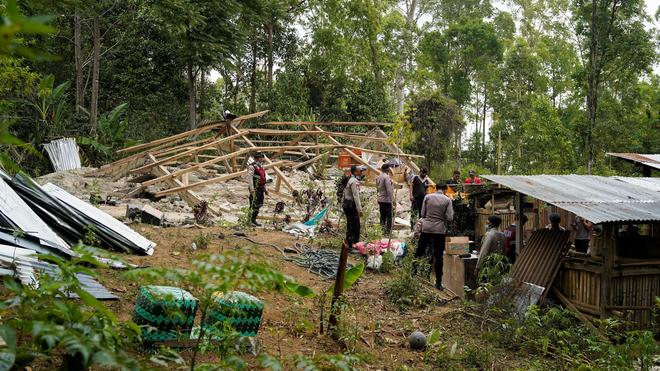
A powerful earthquake in Indonesia has killed 53 people and forced around 5,000 to evacuate, as aftershocks and landslides hamper rescue efforts.

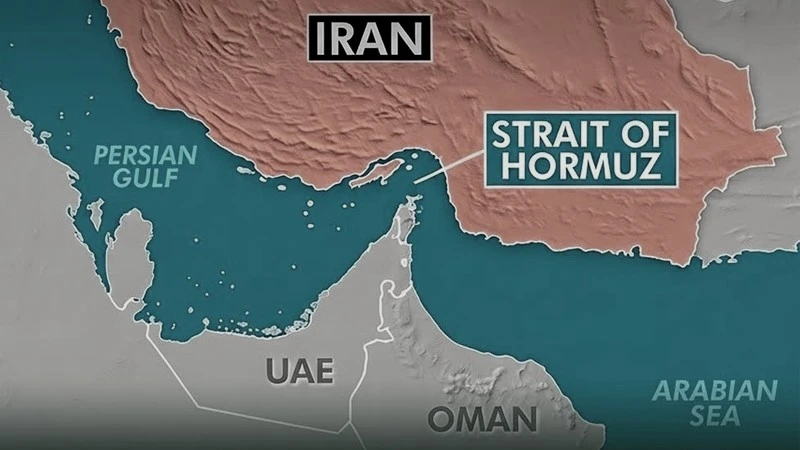
Iran, Oman and the U.S. are reportedly close to a Strait of Hormuz agreement tha...
.jpeg)
Fresh U.S. airstrikes in Iran reportedly killed 14 people, prompting Iranian ret...
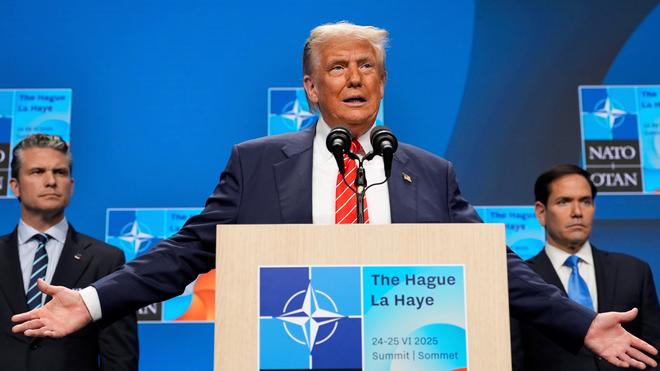
President Donald Trump claimed he is Iran’s “No. 1 target” after security measur...
.jpeg)
Three people were killed in U.S. strikes in western Iran as tensions escalated f...
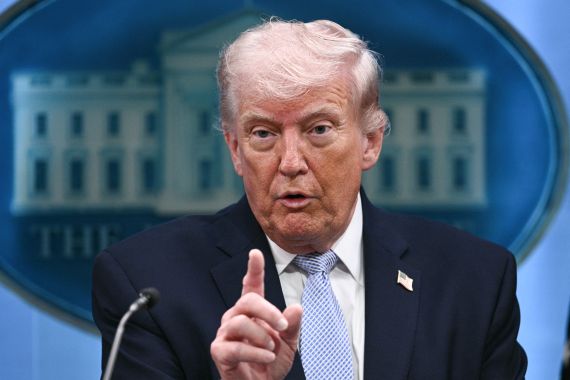
President Donald Trump said the Iran ceasefire is “over” following fresh U.S. st...