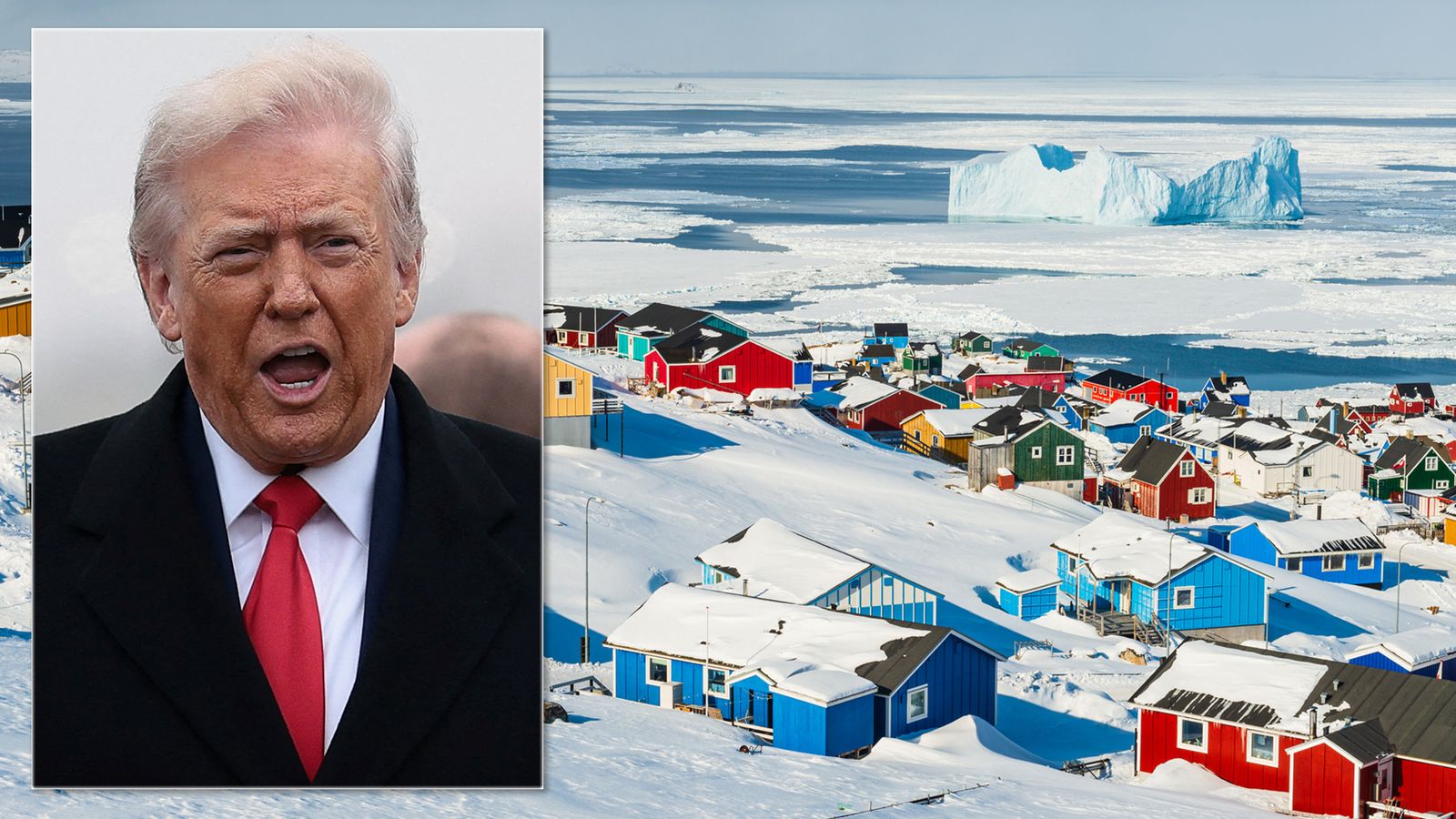
Desk Correspondent , Nuuk - The geopolitical landscape of the Arctic has been thrust into turmoil as U.S. President Donald Trump reaffirmed his administration's intent to acquire Greenland, describing the move as a "strategic necessity for the 21st century." Speaking from Washington, the President dismissed international criticism, doubling down on the demand by linking it to American national security and the protection of vast, untapped mineral resources. The Greenlandic government, however, has issued a sharp rebuke, warning of a "hostile takeover" and asserting that the island is "not for sale."
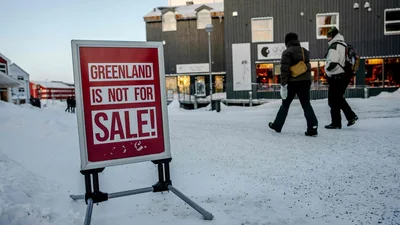
The renewed demand has sent shockwaves through the NATO alliance, creating a deep rift between the U.S. and its European partners. French President Emmanuel Macron has emerged as a leading voice of opposition, labeling the move a direct threat to the international order and an "unacceptable erosion of European sovereignty." Macron called for an emergency summit of European leaders, suggesting that the U.S. stance could permanently damage the trans-Atlantic security architecture. "The Arctic is not a chessboard for territorial expansion; it is a shared heritage that must be protected from unilateral claims," a spokesperson for the Élysée Palace stated.
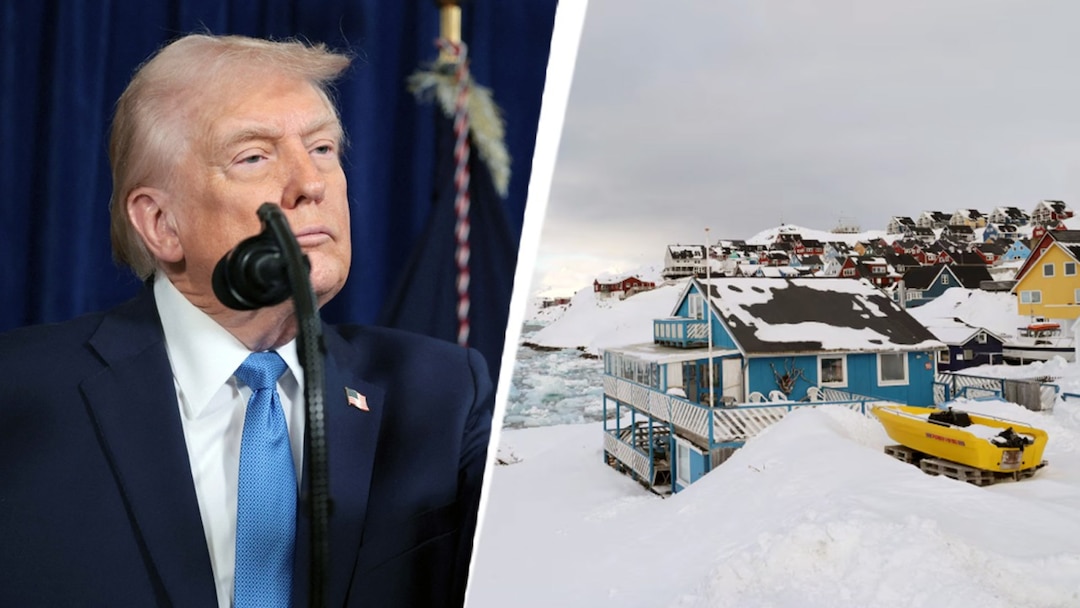
Strategic analysts suggest the U.S. focus on Greenland is driven by the intensifying competition with Russia and China for Arctic dominance. As melting ice caps open new shipping routes and access to rare-earth metals, the Trump administration appears committed to a "pre-emptive" strategy to secure the northern frontier. While the Danish government has stood firmly with Greenland, the escalating rhetoric has left NATO in a state of "geopolitical perplexity," with many member states fearing that the dispute could weaken the alliance's unified front against external threats.
.jpeg)
Trump cited India’s voter-ID system while backing the SAVE America Act, highlighting differences in voting rules between the two countries.
.jpeg)
A Russian missile strike hit Lakshmi Mittal-linked ArcelorMittal’s steel plant in Ukraine, killing two and injuring several others as the war escalates.
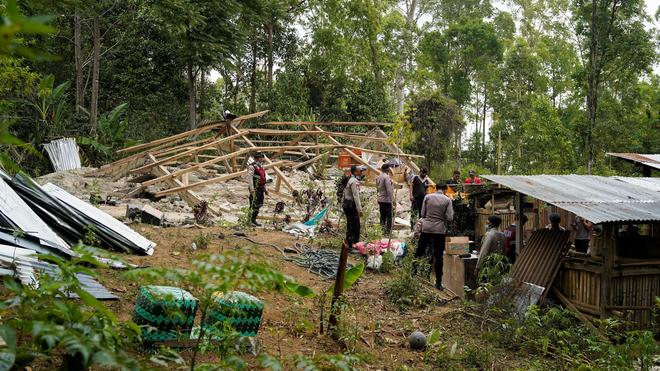
A powerful earthquake in Indonesia has killed 53 people and forced around 5,000 to evacuate, as aftershocks and landslides hamper rescue efforts.

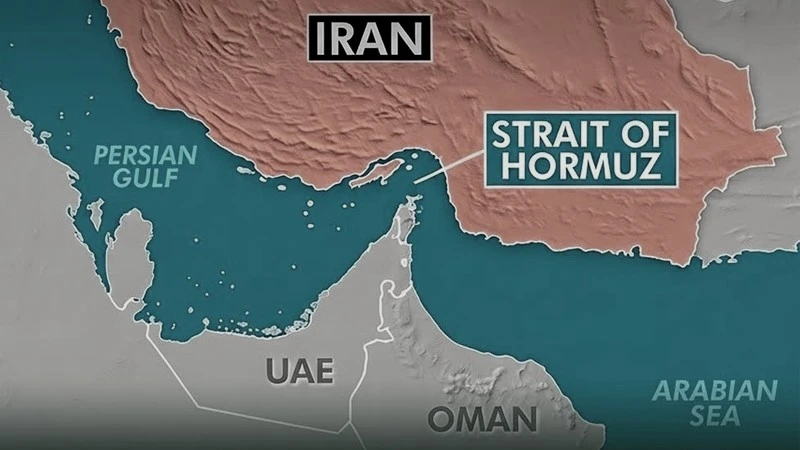
Iran, Oman and the U.S. are reportedly close to a Strait of Hormuz agreement tha...
.jpeg)
Fresh U.S. airstrikes in Iran reportedly killed 14 people, prompting Iranian ret...
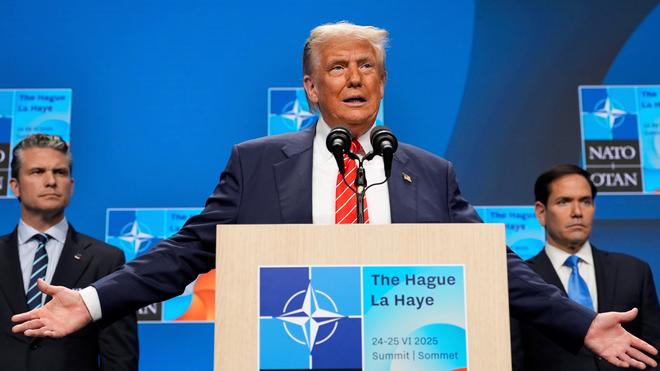
President Donald Trump claimed he is Iran’s “No. 1 target” after security measur...
.jpeg)
Three people were killed in U.S. strikes in western Iran as tensions escalated f...
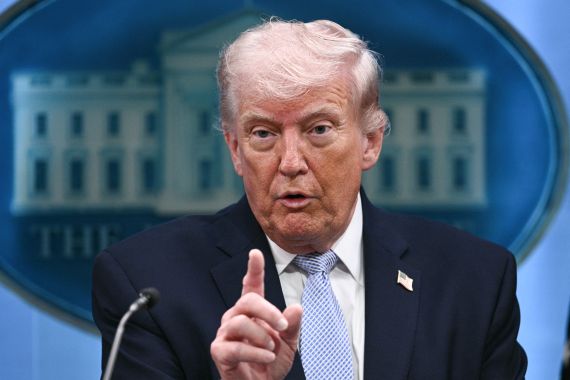
President Donald Trump said the Iran ceasefire is “over” following fresh U.S. st...