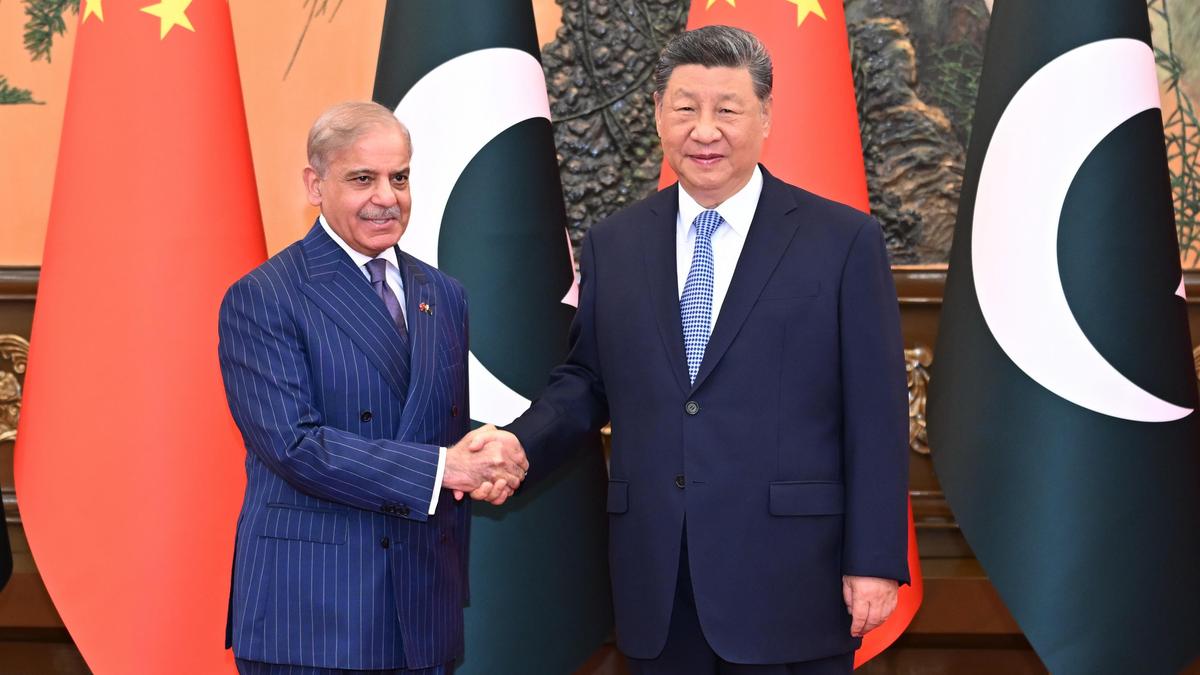
Swapna Kumbar , Bengaluru - China and Pakistan have signaled a fresh push to strengthen and modernize the China-Pakistan Economic Corridor (CPEC), with both countries placing renewed emphasis on expanding the strategically important Gwadar Port and boosting regional connectivity. The move comes as Beijing and Islamabad seek to revive investment momentum, deepen economic cooperation, and enhance trade infrastructure amid shifting geopolitical and economic conditions across Asia.
Officials from both countries reportedly discussed accelerating stalled infrastructure projects, improving transport and energy networks, and increasing commercial activity linked to Gwadar Port in Pakistan’s Balochistan region. Gwadar is considered one of the most important components of CPEC due to its location near major international shipping routes in the Arabian Sea. According to reports, the renewed focus on the corridor reflects China’s broader Belt and Road Initiative ambitions as well as Pakistan’s efforts to attract foreign investment and strengthen economic recovery. The proposed revamp is expected to include upgrades in logistics, industrial zones, port operations, and cross-border trade systems aimed at improving regional connectivity between China, Pakistan, Central Asia, and the Middle East. Security concerns, financial pressures, and delays in earlier projects had slowed progress in recent years, but both governments now appear eager to accelerate implementation. Experts say a stronger CPEC network could significantly influence regional trade patterns and geopolitical dynamics in South Asia.
The renewed push for CPEC and Gwadar Port expansion highlights the continuing strategic importance of the China-Pakistan partnership. As both nations work to revive large scale infrastructure and connectivity projects, the corridor is expected to remain central to regional economic and geopolitical calculations in the years ahead.
.jpeg)
Trump cited India’s voter-ID system while backing the SAVE America Act, highlighting differences in voting rules between the two countries.
.jpeg)
A Russian missile strike hit Lakshmi Mittal-linked ArcelorMittal’s steel plant in Ukraine, killing two and injuring several others as the war escalates.
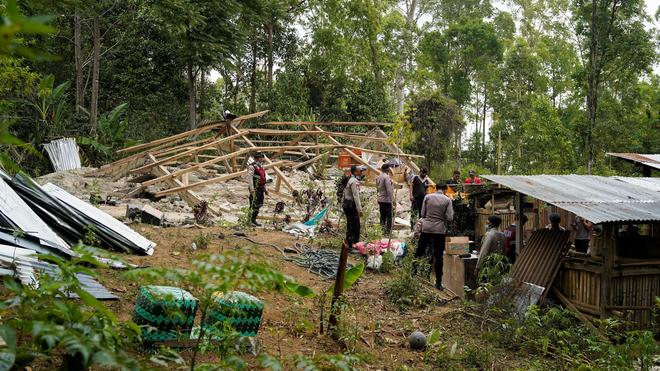
A powerful earthquake in Indonesia has killed 53 people and forced around 5,000 to evacuate, as aftershocks and landslides hamper rescue efforts.

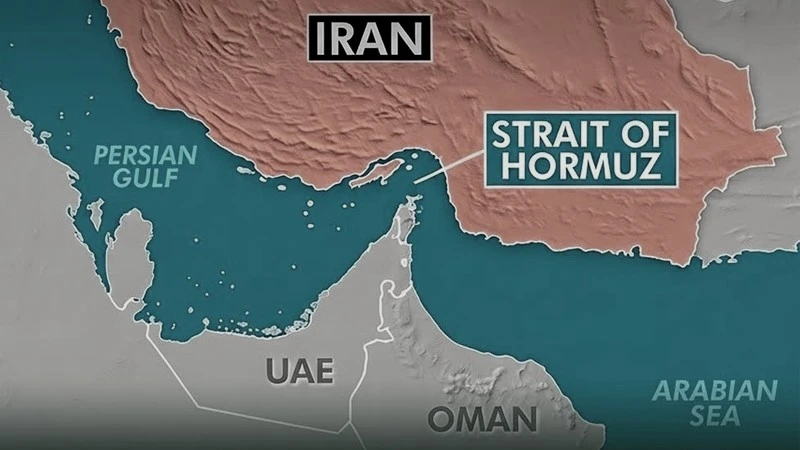
Iran, Oman and the U.S. are reportedly close to a Strait of Hormuz agreement tha...
.jpeg)
Fresh U.S. airstrikes in Iran reportedly killed 14 people, prompting Iranian ret...
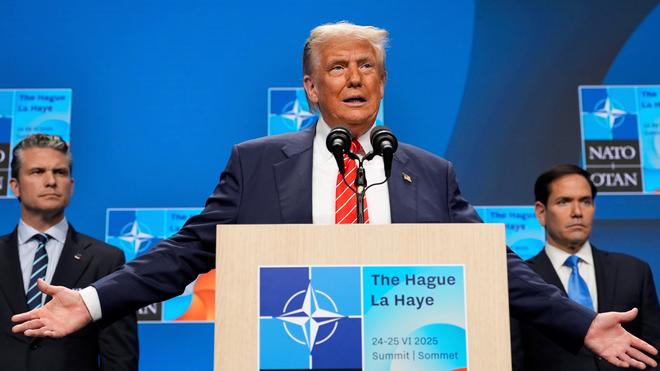
President Donald Trump claimed he is Iran’s “No. 1 target” after security measur...
.jpeg)
Three people were killed in U.S. strikes in western Iran as tensions escalated f...
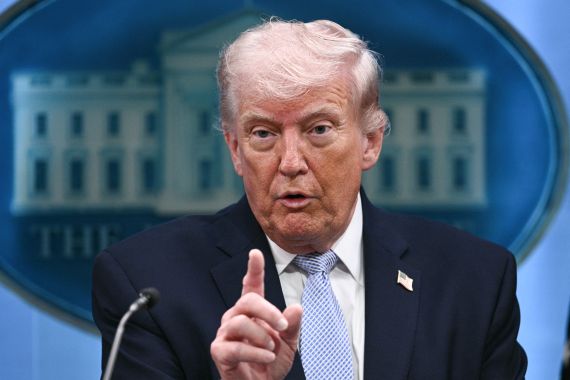
President Donald Trump said the Iran ceasefire is “over” following fresh U.S. st...