.jpeg)
Swapna Kumbar , Bengaluru - Tensions remain high across West Asia after air raid sirens sounded in northern Israel amid renewed security threats from across the Lebanese border. The incident comes despite a US-backed ceasefire agreement between Israel and Lebanon, highlighting the fragility of diplomatic efforts aimed at reducing regional hostilities.
According to the Israeli military, warning sirens were triggered after rockets were launched toward northern Israel, with air defense systems activated to intercept potential threats. The development follows a recently announced ceasefire framework brokered with US support, under which Israel and Lebanon agreed to halt hostilities while Hezbollah would cease attacks and withdraw forces from southern Lebanon. However, the latest rocket launches have cast doubt on the agreement's durability, with Israeli officials warning that any attack on northern communities could prompt a strong military response.
Meanwhile, US President Donald Trump has indicated that negotiations concerning Lebanon should remain separate from broader talks involving Iran. Tehran, however, has rejected that approach and warned that any major Israeli strike on Beirut would trigger a "full-scale resumption" of the conflict. Despite signs of progress in US-Iran diplomacy, continued violence along the Israel-Lebanon border threatens to derail broader peace efforts across the region.
The activation of air raid alarms in northern Israel underscores how quickly the situation can deteriorate despite ongoing diplomatic initiatives. With ceasefire arrangements under strain and regional powers deeply involved, the coming days could prove crucial in determining whether the latest peace efforts hold or give way to renewed conflict.
.jpeg)
Trump cited India’s voter-ID system while backing the SAVE America Act, highlighting differences in voting rules between the two countries.
.jpeg)
A Russian missile strike hit Lakshmi Mittal-linked ArcelorMittal’s steel plant in Ukraine, killing two and injuring several others as the war escalates.

A powerful earthquake in Indonesia has killed 53 people and forced around 5,000 to evacuate, as aftershocks and landslides hamper rescue efforts.

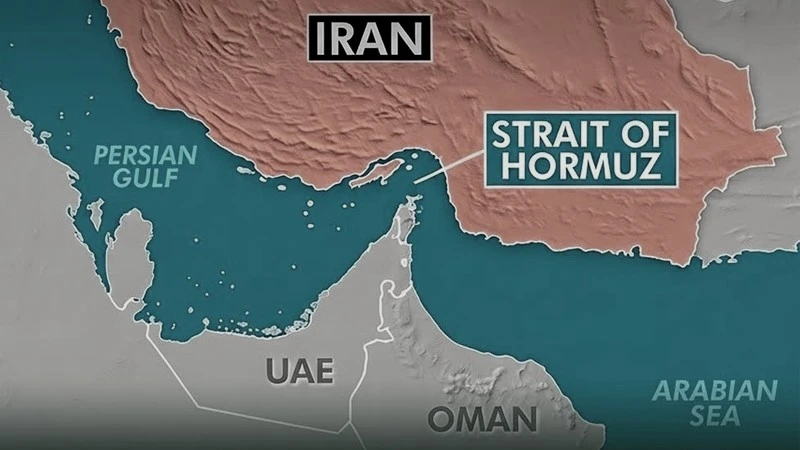
Iran, Oman and the U.S. are reportedly close to a Strait of Hormuz agreement tha...
.jpeg)
Fresh U.S. airstrikes in Iran reportedly killed 14 people, prompting Iranian ret...
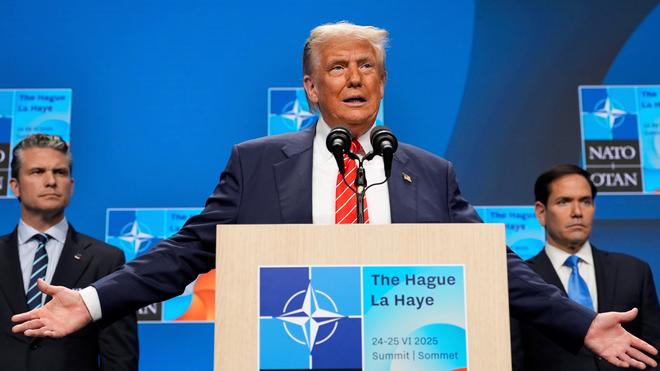
President Donald Trump claimed he is Iran’s “No. 1 target” after security measur...
.jpeg)
Three people were killed in U.S. strikes in western Iran as tensions escalated f...

President Donald Trump said the Iran ceasefire is “over” following fresh U.S. st...