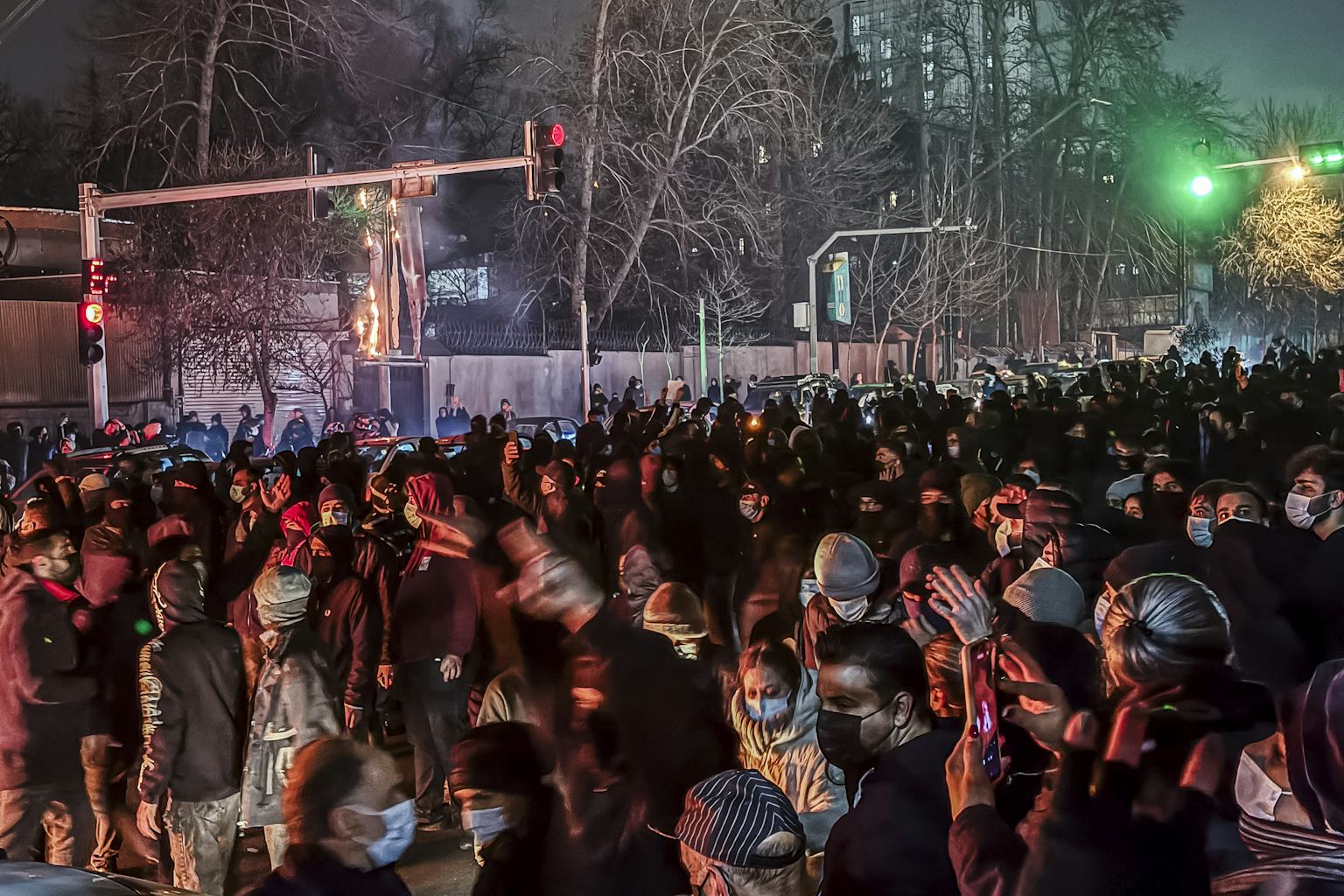
Desk Correspondent , Iran - Chilling details have emerged from the 24-hour period beginning January 11, 2026, now being described by international observers as the deadliest day in modern Iranian history. Despite a state-imposed internet blockade, smuggled testimonies and forensic evidence reveal that security forces—including the IRGC and Basij militias—received "shoot-to-kill" orders to dismantle protest hubs in Tehran, Karaj, and Isfahan. Eyewitnesses describe scenes of utter carnage where snipers targeted demonstrators from rooftops, and "kill zones" were established in residential alleys, resulting in hundreds of casualties in a single day.
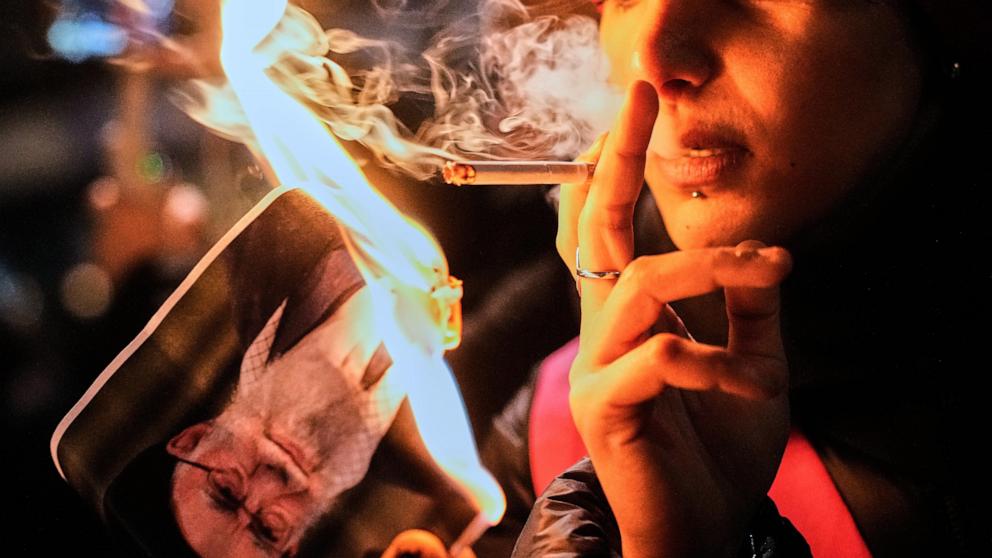
One survivor from Tehran’s Ekbatan district recounted the horror, stating, "It wasn't a dispersal; it was an execution." Hospitals were reportedly surrounded by plainclothes agents to prevent the wounded from receiving medical care, while families were allegedly forced to sign "accidental death" certificates before reclaiming the bodies of their loved ones. In the absence of digital connectivity, mosques and private homes were turned into makeshift clinics, where doctors worked by candlelight to treat gunshot wounds using primitive tools.
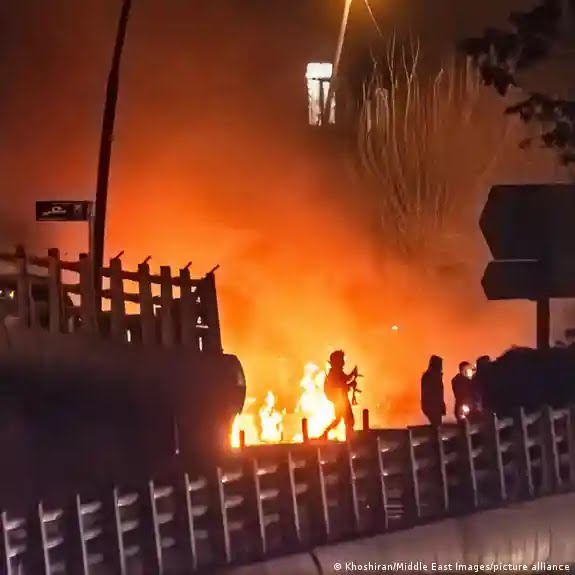
The scale of the violence has sparked global outrage, with human rights organizations calling for an immediate international tribunal to investigate what they term "crimes against humanity." While the Iranian government officially claims that only "rioters and foreign terrorists" were neutralized, the sheer volume of civilian accounts suggests a systematic effort to break the spirit of the January Revolution through sheer terror. As the digital curtain remains partially drawn, these 24 hours stand as a grim testament to the lengths the regime will go to maintain its grip on power amidst a total economic and social collapse.
.jpeg)
Trump cited India’s voter-ID system while backing the SAVE America Act, highlighting differences in voting rules between the two countries.
.jpeg)
A Russian missile strike hit Lakshmi Mittal-linked ArcelorMittal’s steel plant in Ukraine, killing two and injuring several others as the war escalates.
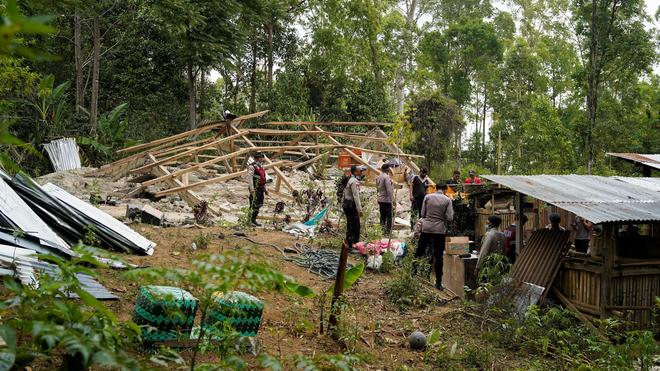
A powerful earthquake in Indonesia has killed 53 people and forced around 5,000 to evacuate, as aftershocks and landslides hamper rescue efforts.

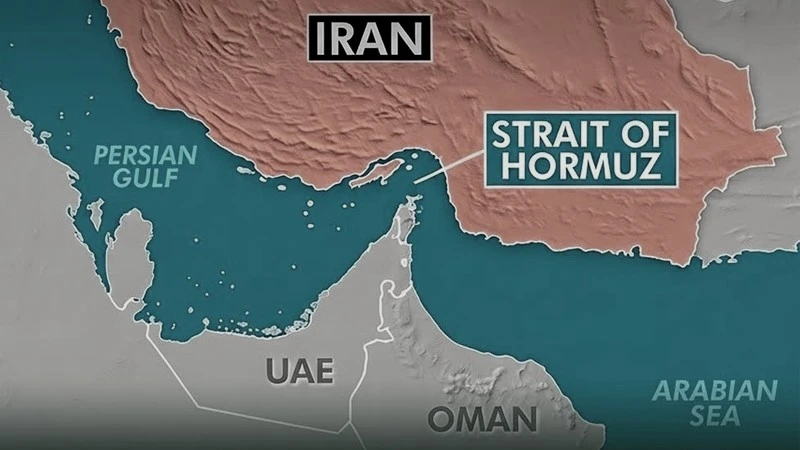
Iran, Oman and the U.S. are reportedly close to a Strait of Hormuz agreement tha...
.jpeg)
Fresh U.S. airstrikes in Iran reportedly killed 14 people, prompting Iranian ret...
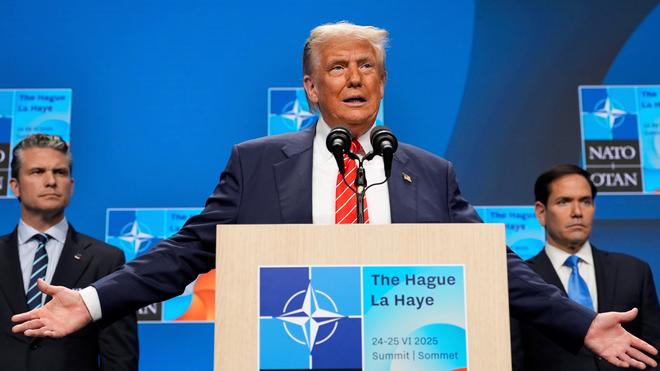
President Donald Trump claimed he is Iran’s “No. 1 target” after security measur...
.jpeg)
Three people were killed in U.S. strikes in western Iran as tensions escalated f...
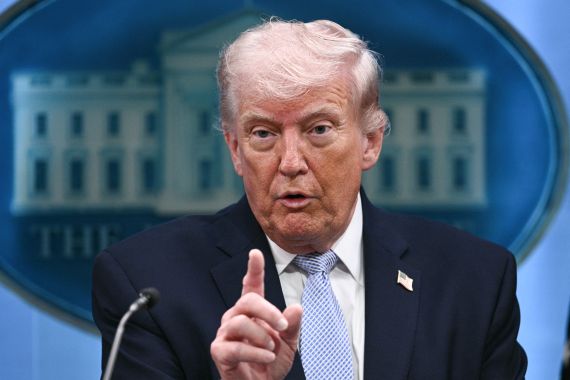
President Donald Trump said the Iran ceasefire is “over” following fresh U.S. st...