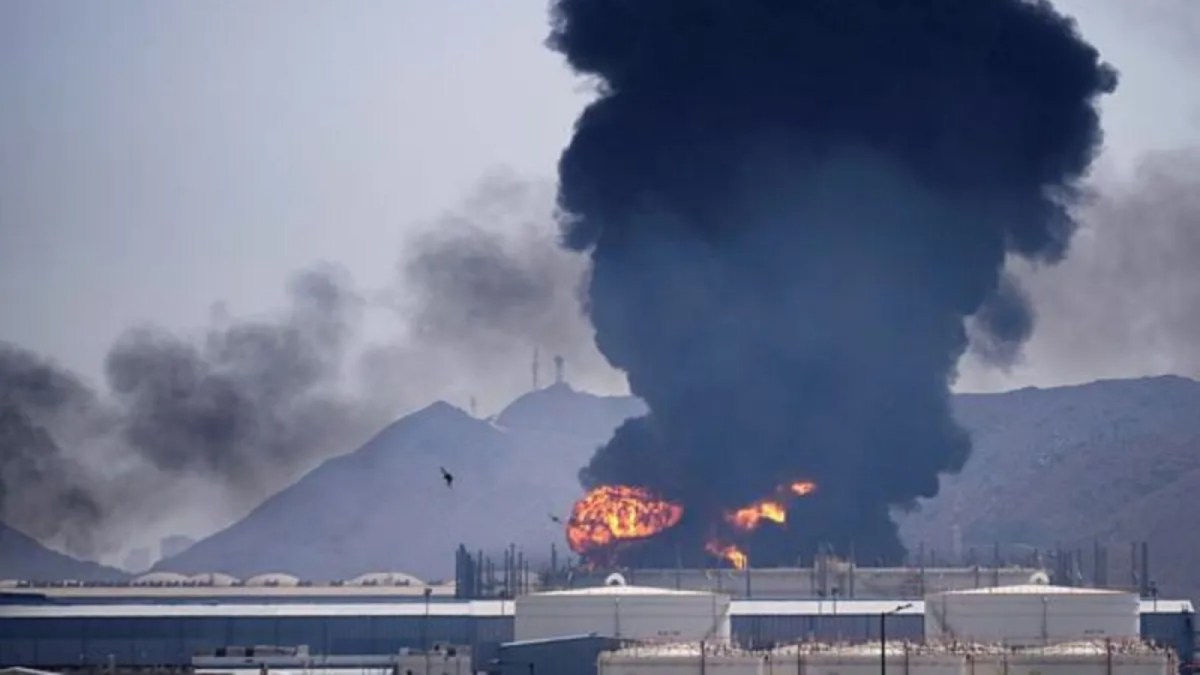
News Desk - A massive explosion at Qatar's Ras Laffan Industrial City on Sunday, June 21, 2026, left 54 people injured and 18 missing when a technical malfunction triggered a blast at the Barzan local gas supply facility during the start-up of operations, according to Qatar's Interior Ministry.
The explosion and fire broke out at the Barzan facility, which is part of QatarEnergy's Ras Laffan Industrial Complex one of the world's largest liquefied natural gas (LNG) processing sites during operations initiation, with authorities describing the incident as a "technical accident" stemming from internal issues. Rescue teams are actively searching for the 18 unaccounted workers, while emergency services have responded to the scene where smoke and flames were visible for miles around the industrial zone.
The blast at Qatar's core LNG processing hub could cause further disruptions in global energy markets, particularly as Qatar remains one of the world's top natural gas producers, supplying vital energy to Europe and Asia. This incident follows a devastating Iranian missile strike on March 18, 2026, that struck Ras Laffan and impaired 17% of Qatar's LNG export capacity, causing an estimated $20 billion annual revenue loss with repairs expected to take three to five years. European natural gas prices surged nearly 30% after the March attack, underscoring the facility's critical role in global energy security.
The timing of Sunday's technical explosion is concerning amid ongoing regional tensions that have previously impacted Qatar's vital LNG operations, raising fresh concerns about stability at the world's largest natural gas complex and potential ripple effects across international energy markets.
.jpeg)
Trump cited India’s voter-ID system while backing the SAVE America Act, highlighting differences in voting rules between the two countries.
.jpeg)
A Russian missile strike hit Lakshmi Mittal-linked ArcelorMittal’s steel plant in Ukraine, killing two and injuring several others as the war escalates.
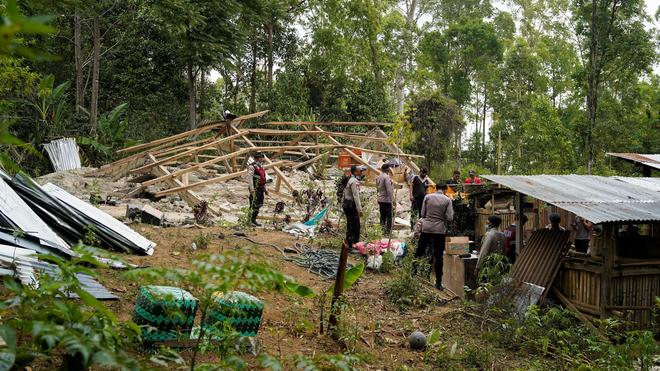
A powerful earthquake in Indonesia has killed 53 people and forced around 5,000 to evacuate, as aftershocks and landslides hamper rescue efforts.

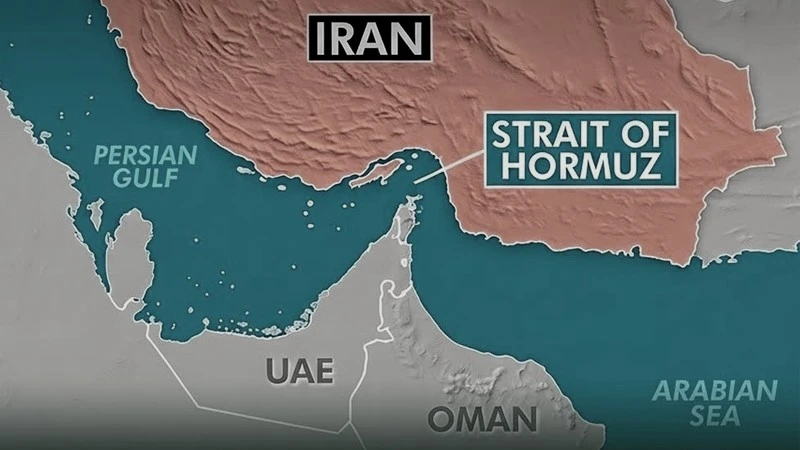
Iran, Oman and the U.S. are reportedly close to a Strait of Hormuz agreement tha...
.jpeg)
Fresh U.S. airstrikes in Iran reportedly killed 14 people, prompting Iranian ret...

President Donald Trump claimed he is Iran’s “No. 1 target” after security measur...
.jpeg)
Three people were killed in U.S. strikes in western Iran as tensions escalated f...

President Donald Trump said the Iran ceasefire is “over” following fresh U.S. st...