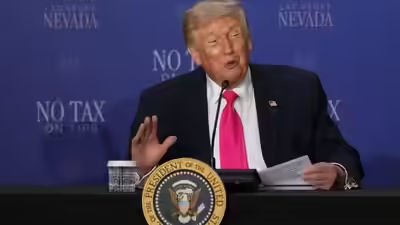
Desk Correspondent , Washington DC - President Donald Trump has struck a cautious tone of optimism in the high‑stakes US-Iran peace talks, suggesting there is good news on the horizon for a potential long term agreement. At the same time, he has warned that military attacks could resume if no deal is reached before the current ceasefire tied to the Strait of Hormuz crisis expires, ratcheting up pressure on both sides to clinch a deal in the coming days.
The talks are unfolding against a backdrop of fragile de‑escalation, with the Strait of Hormuz partially reopened to commercial shipping and regional tensions cooled by a temporary truce between Israel and Lebanon. The core issues under discussion include the lifting of the US naval blockade on Iranian ports, constraints on Iran’s nuclear activities, guarantees on maritime security in the Gulf, and limits on Iran‑backed proxy forces in the region. Trump has highlighted that Washington is considering a long term security framework, but he has also insisted that any deal must be very good for the United States and address what he describes as Iran’s destabilizing behavior.
Iran, for its part, has linked the reopening and continued openness of the Strait of Hormuz to an end to the US blockade and broader sanctions relief. Iranian officials have rejected what they call dictatorial demands from Washington while signaling a willingness to negotiate under certain conditions. With the current ceasefire window narrowing, diplomats and mediators are working to extend the truce long enough to bridge remaining gaps, especially on verification mechanisms and the sequencing of concessions.
For now, Trump’s mix of optimism and threat reflects the delicate balance in these talks: the promise of a landmark deal that could ease tensions in the Middle East and stabilize global energy markets, or the risk of a return to large‑scale attacks if negotiations stall. The countdown before the ceasefire expires is effectively a deadline for diplomacy, failure to secure an agreement could see the Strait of Hormuz thrust back into the spotlight and trigger fresh volatility in security and oil markets worldwide.
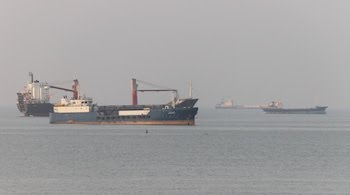
Iran has rejected Oman’s proposal for joint management of the Strait of Hormuz, seeking greater control over the vital global shipping route.
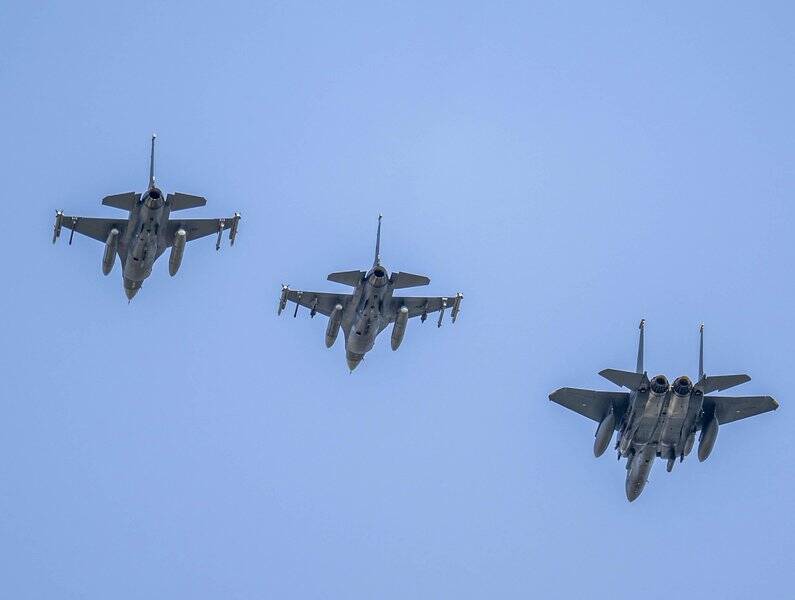
U.S. and Saudi forces struck Iran-backed groups in Iraq after drone attacks on American troops, while Iran rejected a proposal on the Strait of Hormuz.
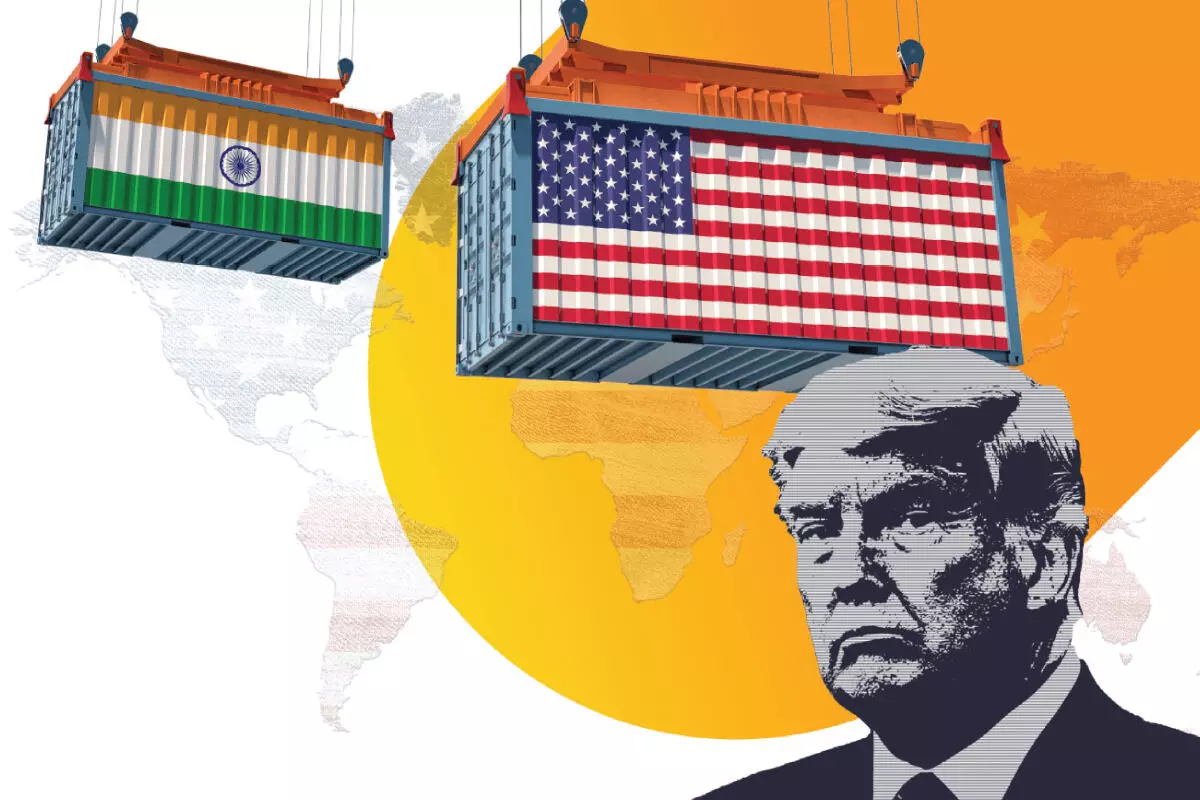
The US Senate advanced a Russia sanctions bill that could allow tariffs of up to 100% on major buyers of Russian oil, including India and China.
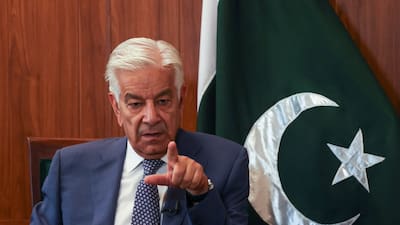
Pakistan Defence Minister Khawaja Asif defended the killing of PoK protesters, saying he viewed them as "enemies like India," amid mounting outrage over the crackdown.
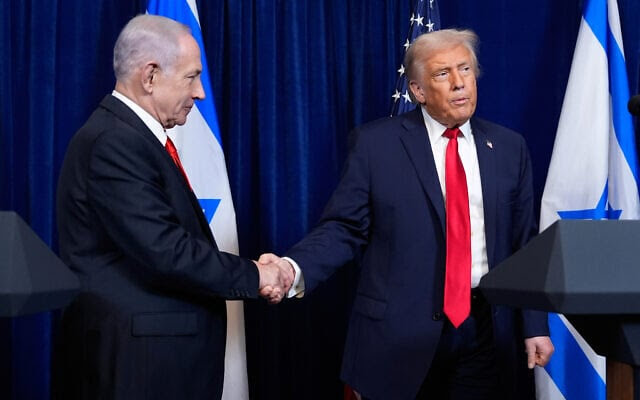
Mediators say a U.S.-Iran breakthrough may be near as Donald Trump prepares to meet Benjamin Netanyahu to discuss the next steps.
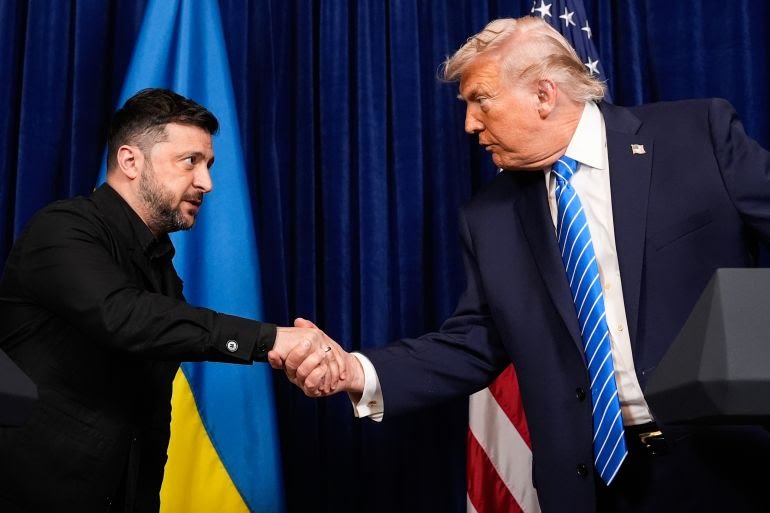
Ukrainian President Volodymyr Zelenskyy is set to meet Donald Trump as the Ukraine war and rising Iran tensions increasingly overlap.

A powerful 7.1-magnitude earthquake struck Japan’s Kumamoto prefecture, injuring several people, damaging buildings and triggering a tsunami warning.
Donald Trump dismissed Benjamin Netanyahu’s objections to a possible U.S. F-35 fighter jet sale to Turkey, saying America alone decides its defence deals.
.jpeg)
Donald Trump said there is a “good chance” of progress in Iran talks, despite Tehran denying any formal negotiations.
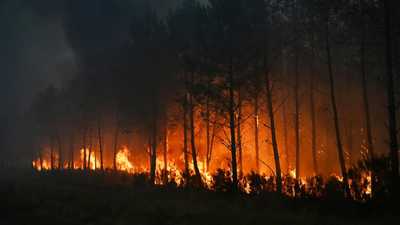
Wildfires in France and Spain have forced around 320,000 people to evacuate, as firefighters battle worsening conditions and intense heat.
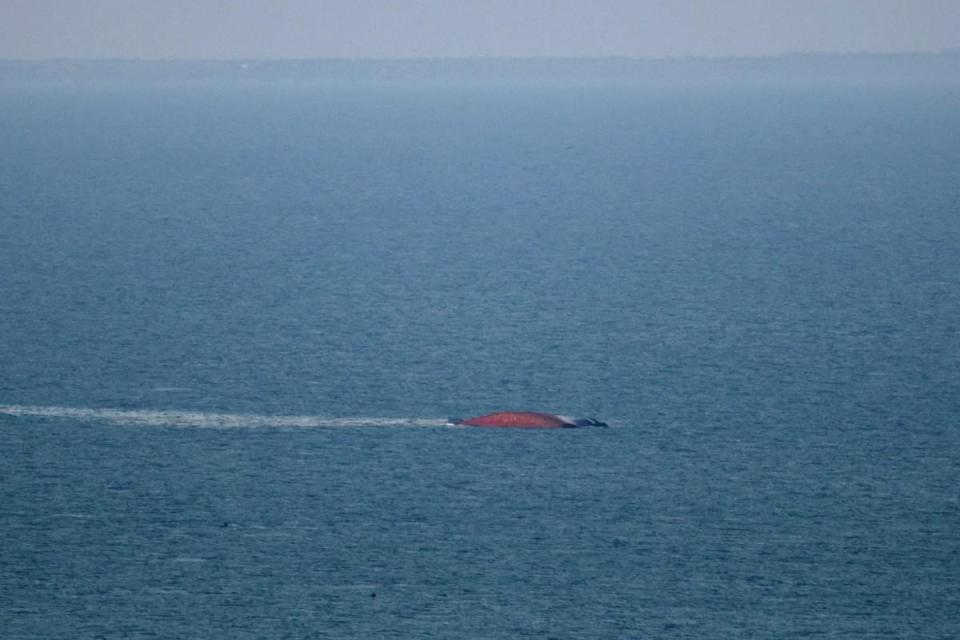
Iran warned of “unforeseen consequences” after accusing Ukraine of attacking an Iranian vessel in the Caspian Sea, killing one sailor.

Three people were killed and several others injured in a mass shooting at Seattle's Bite of Seattle food festival. Police have detained one suspect as the investigation continues.
.jpeg)
France and Spain face worsening wildfires as extreme heat and strong winds fuel the blazes. Authorities warn of difficult hours ahead as firefighters battle to contain the fires.
.jpeg)
Iran has paused retaliatory strikes after the U.S. halted fresh attacks, giving diplomacy a chance and easing pressure on global oil markets.
.jpeg)
Iran has warned the conflict could widen if U.S. strikes resume, as a pause in fighting raises cautious hopes for de-escalation.

.jpeg)
Donald Trump has again claimed credit for the India-Pakistan ceasefire as part o...
.jpeg)
Fresh U.S. airstrikes in Iran reportedly killed 14 people, prompting Iranian ret...
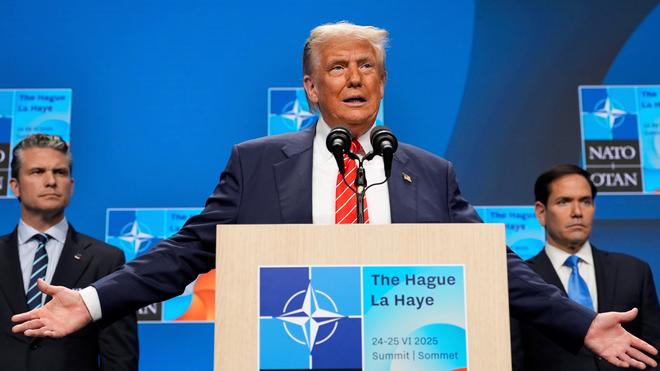
President Donald Trump claimed he is Iran’s “No. 1 target” after security measur...
.jpeg)
Three people were killed in U.S. strikes in western Iran as tensions escalated f...
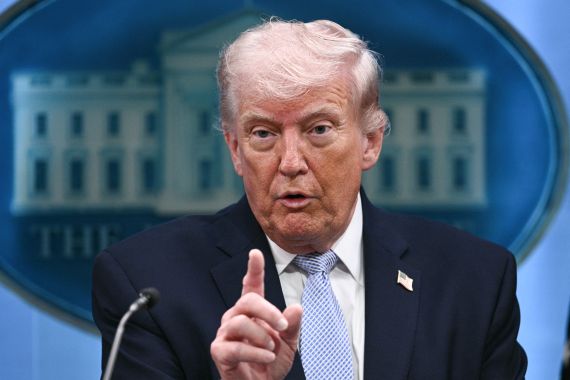
President Donald Trump said the Iran ceasefire is “over” following fresh U.S. st...