.png)
Desk Correspondent , New Delhi — On April 24, 2026, a coalition of opposition parties launched a renewed effort to remove India’s Chief Election Commissioner (CEC), Gyanesh Kumar, by submitting a fresh notice of motion in the Rajya Sabha. Signed by 73 Members of Parliament, the notice seeks the CEC's removal on grounds of "proven misbehaviour," specifically citing nine detailed charges of acts and omissions committed on or after March 15, 2026. Senior Congress leader Jairam Ramesh, who announced the development, described Kumar’s continued presence in office as an "assault on the Constitution" and a "disgrace," alleging that the official has been acting at the behest of the Prime Minister and the Home Minister rather than as an independent arbiter.
This latest legislative move follows the rejection of a previous impeachment notice earlier this month by Lok Sabha Speaker Om Birla and Rajya Sabha Chairman CP Radhakrishnan. The opposition's grievances center on allegations of "partial conduct" and favoritism toward the ruling Bharatiya Janata Party (BJP), particularly regarding the Special Intensive Revision (SIR) of electoral rolls in politically sensitive states like West Bengal and Bihar. The timing is notably critical, as the notice arrives immediately following the first phase of the West Bengal assembly elections, where administrative decisions by the Election Commission became a major flashpoint for political conflict. Trinamool Congress spokesperson Derek O'Brien emphasized that this second attempt includes additional charges to address these recent developments and alleged conspiracies.
Constitutional procedures for removing a CEC are stringent, mirroring the process used for Supreme Court judges under Article 324(5) and Article 124(4) of the Constitution. To be successful, the motion requires a special majority in both Houses of Parliament—specifically, a majority of the total membership and two-thirds of those present and voting. If the notice is admitted, a formal inquiry committee comprising senior judicial members will be established to investigate the claims, allowing the CEC to present a legal defense. While the high bar for impeachment makes removal difficult, the persistent push by 19 political parties highlights the deepening rift and lack of trust between the national opposition and the country’s top electoral body.
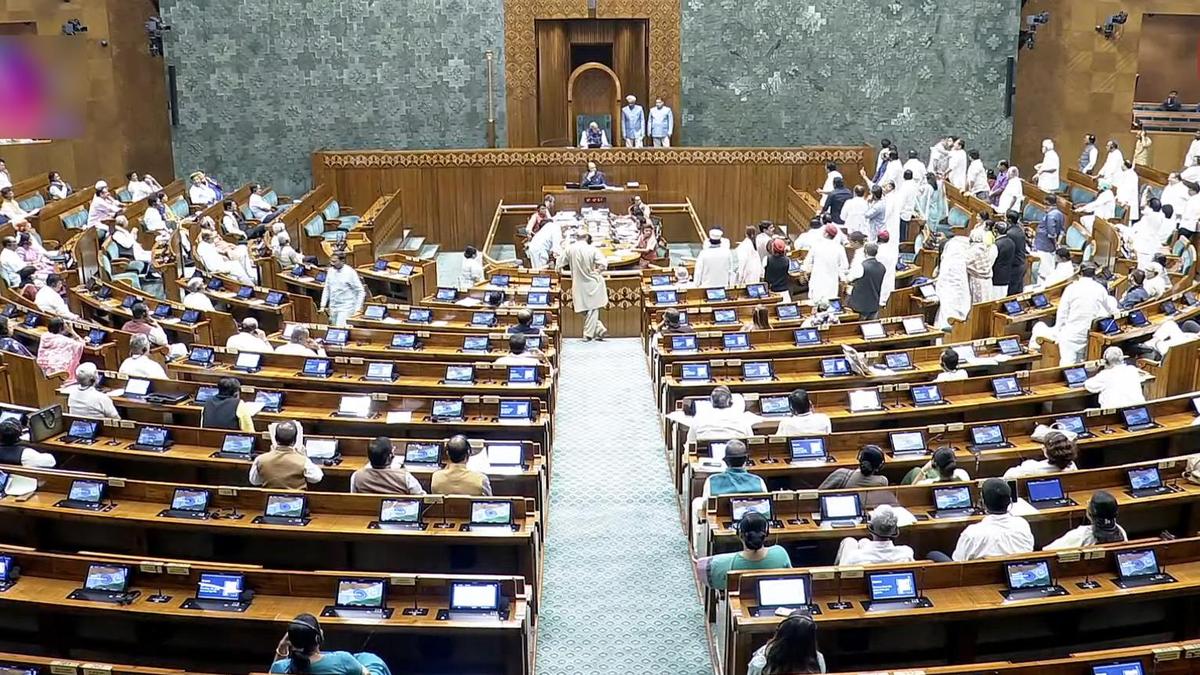
The Centre has proposed tougher anti-cheating laws, increasing jail terms and fines to crack down on paper leaks and organised exam fraud.
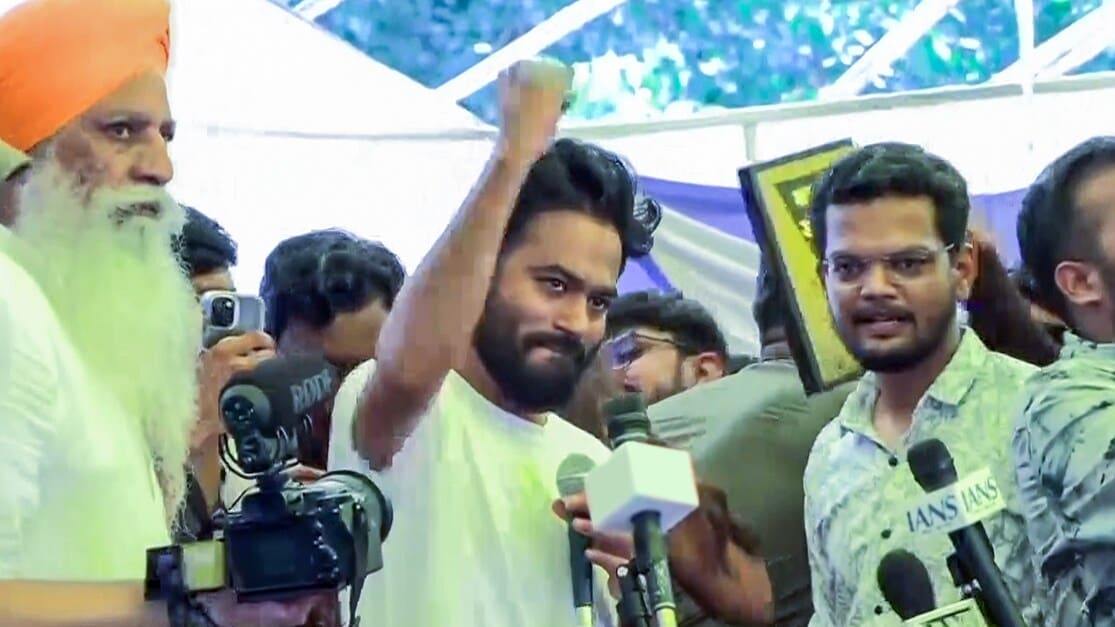
After Dharmendra Pradhan’s resignation, the CJP said it will decide its next demands based on the government’s response, signalling the protests are not over.
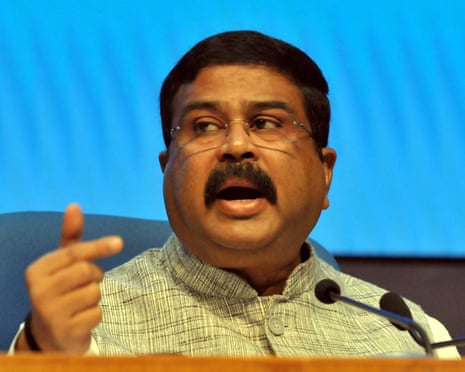
Education Minister Dharmendra Pradhan has resigned after weeks of student protests over alleged exam paper leaks, marking a major political development.
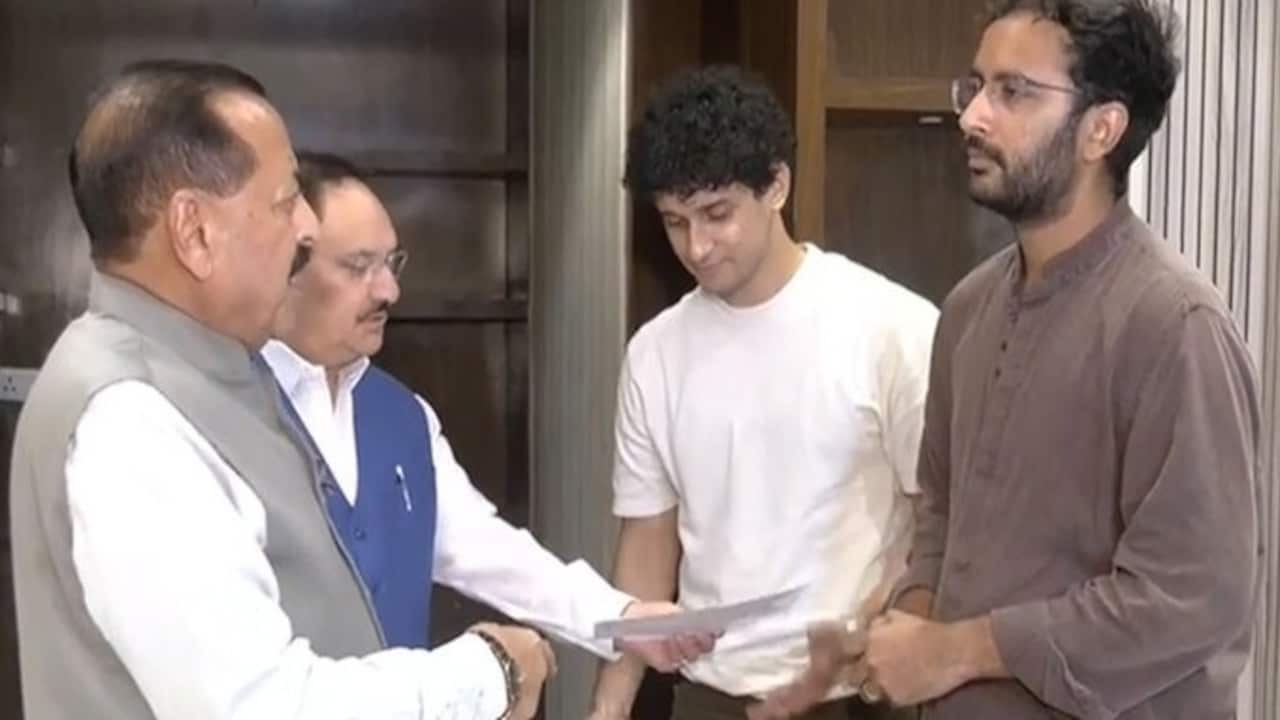
The Centre and CJP held a two hour meeting.
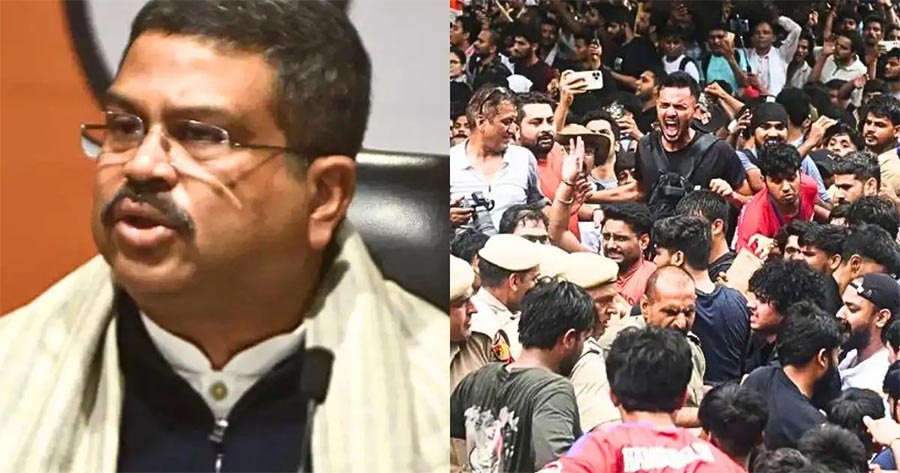
The Centre sought time till Saturday to respond the CJP demand for Dharmendra Pradhan resignation.
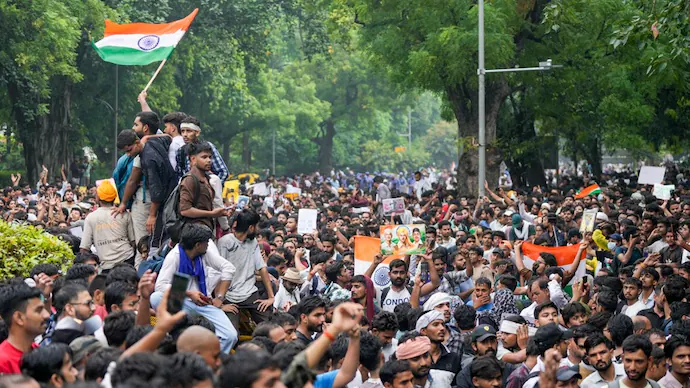
The Congress and the CJP intensified protests over the NEET paper leak as the Centre prepared for crucial talks with students leaders in Delhi.
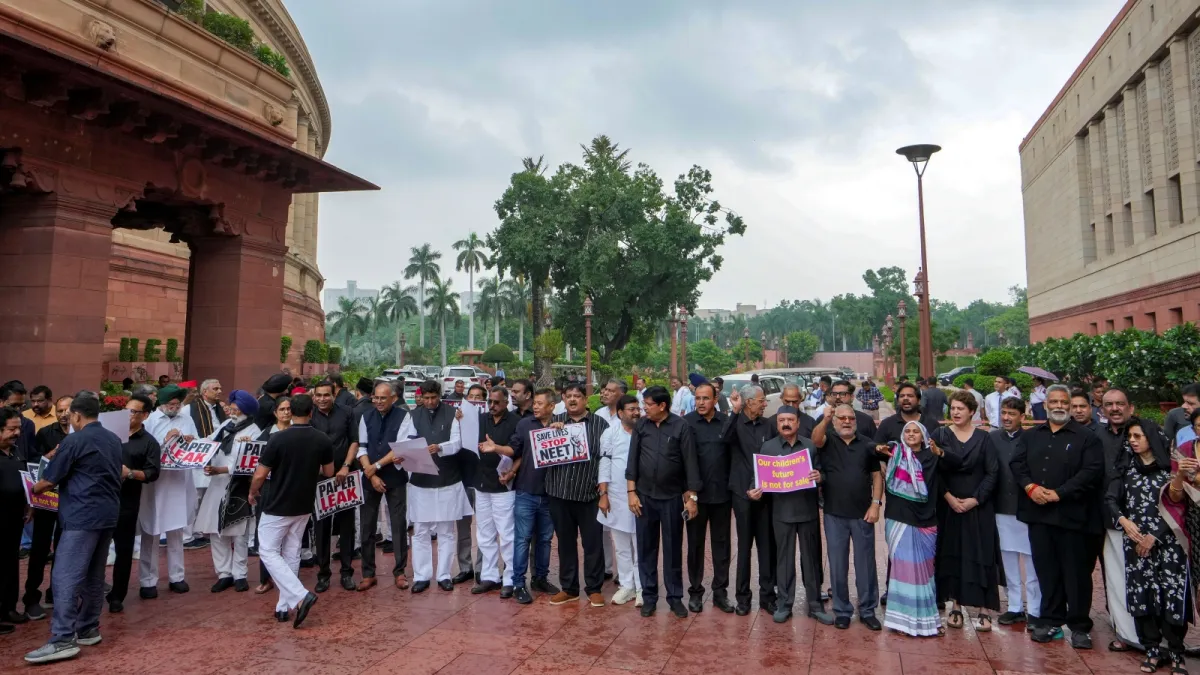
Opposition protests over the paper leak row disrupted Parliament for the fifth straight day.
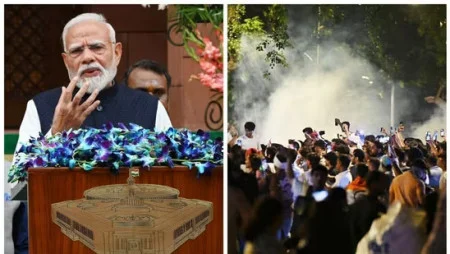
PM Modi announced a tougher anti paper leak law as the Centre prepared for fresh talks with the CJP.
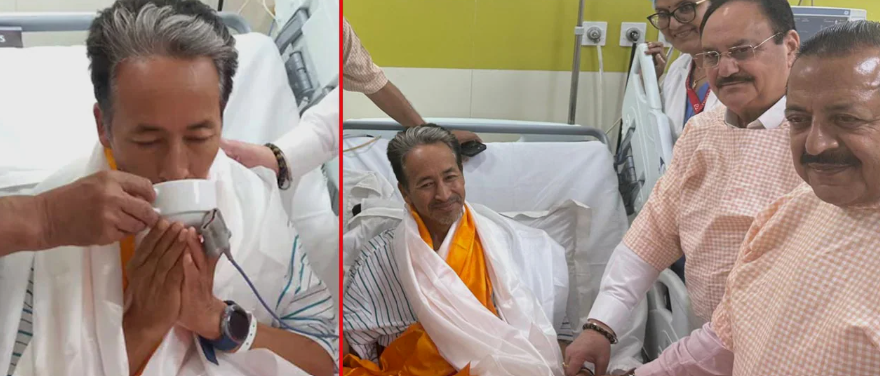
Sonam Wangchuk ended his 26 day hunger strike after talks with the Centre.
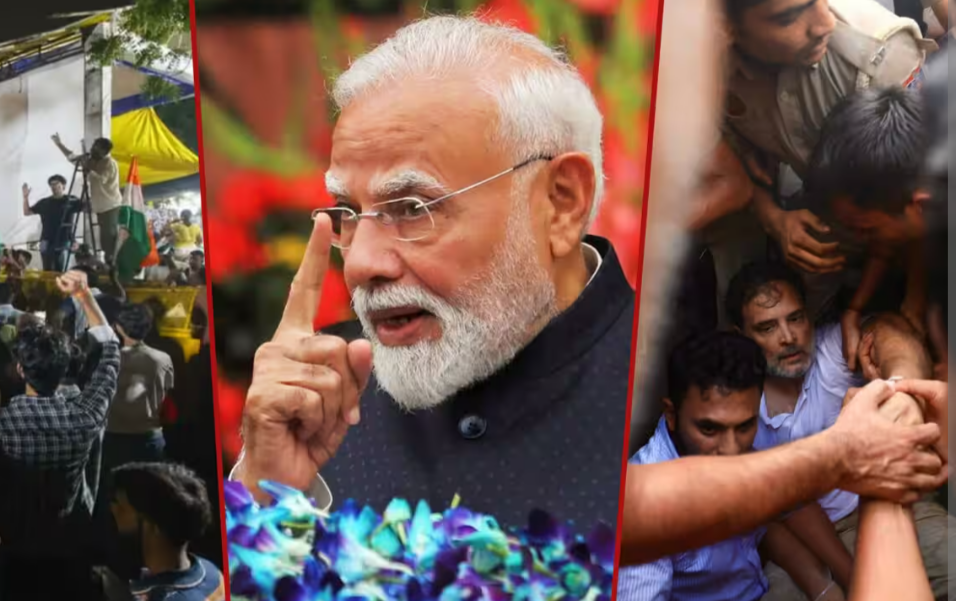
PM Modi's fast-track court announcement sparked fresh demands for education reforms and Dharmendra Pradhan's resignation.
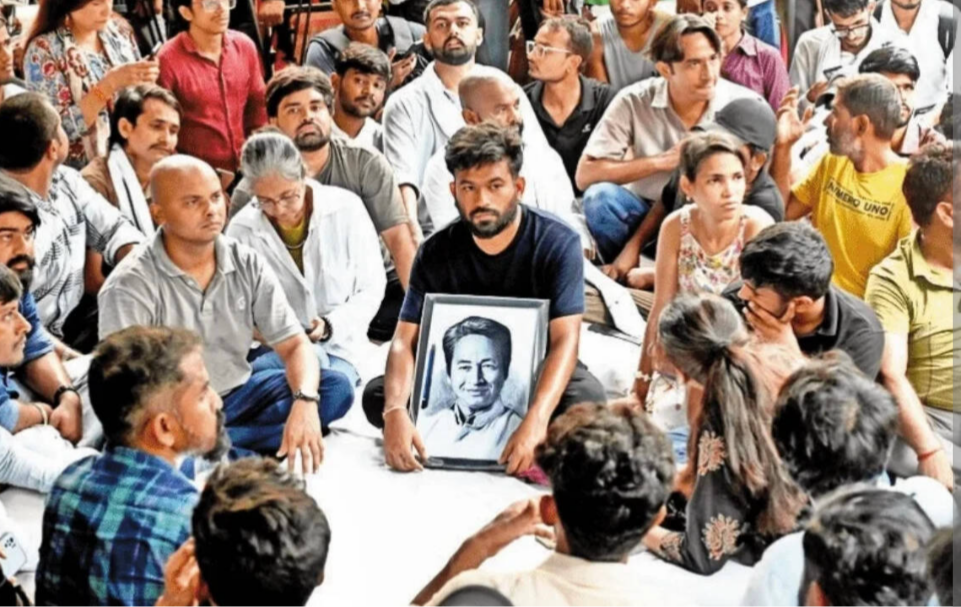
The Centre offered fresh talks with CJP, but the outfit insisted any dialogue must take place at Jantar Mantar.
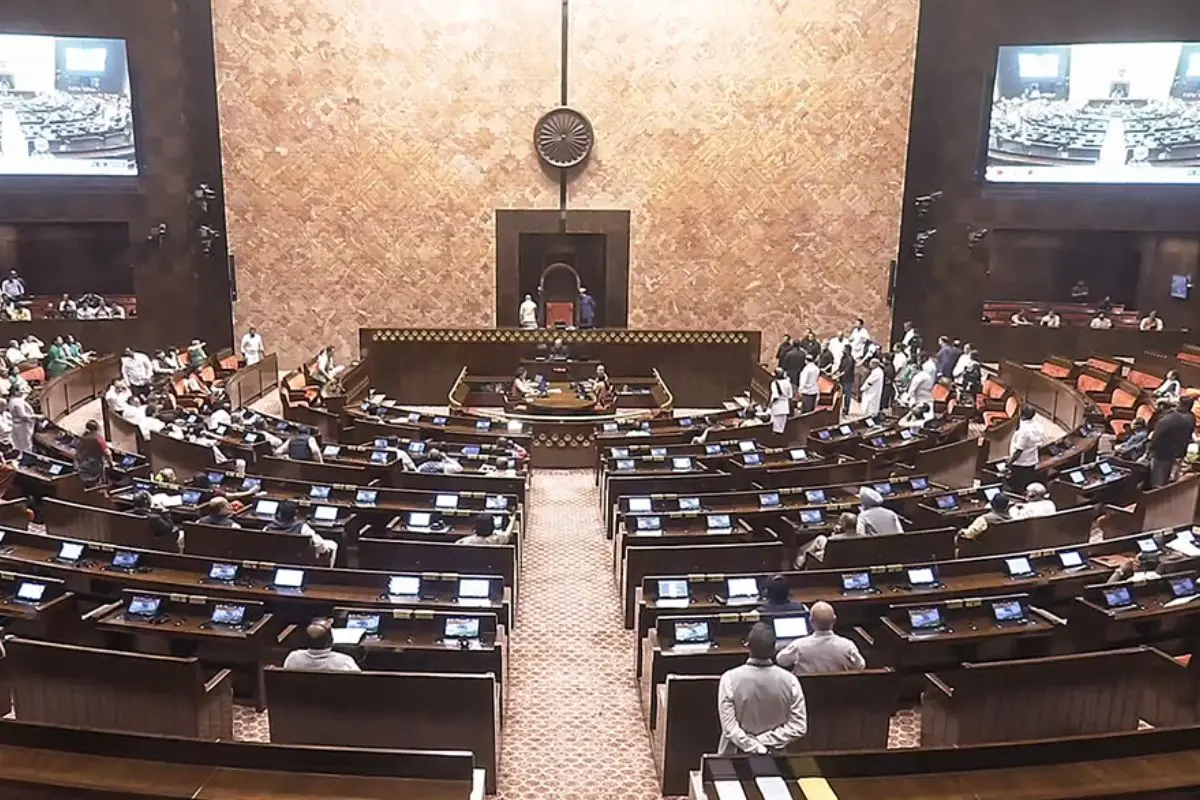
Both Houses of Parliament were adjourned for the day as Opposition protests over the NEET paper leak disrupted proceedings, with demands for Education Minister Dharmendra Pradhan’s resignation continuing.
.jpeg)
JPMorgan plans to hire 1,000 technology professionals for its India GCCs, focusing on AI, cloud computing, and cybersecurity despite increased automation.
.jpeg)
Assam’s flood death toll has climbed to 41 after 10 more fatalities, as heavy rain continues to hamper rescue efforts and threatens to worsen the situation.
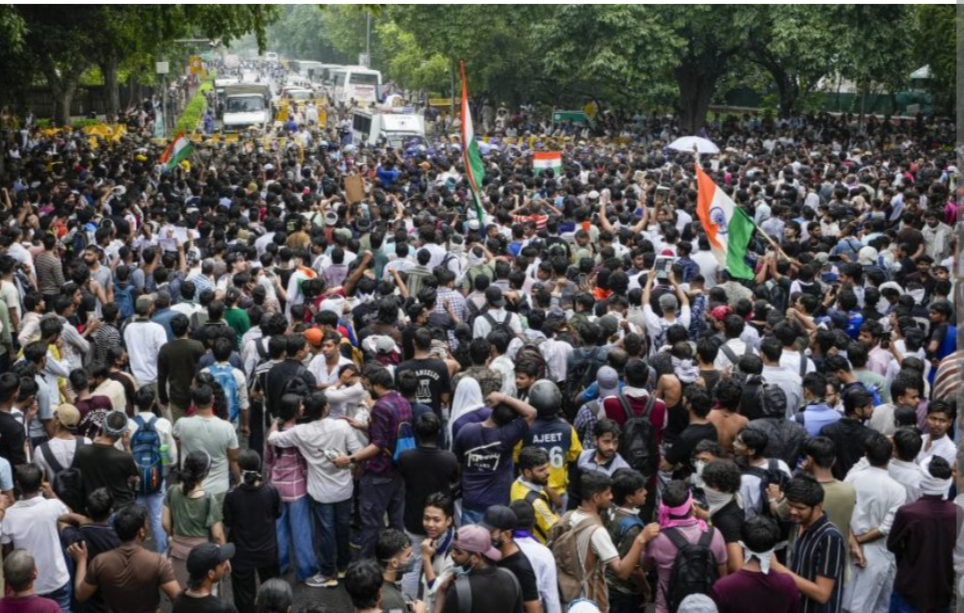
Security remained on high alert in central Delhi as the CJP protest entered another day.

.jpeg)
Donald Trump has again claimed credit for the India-Pakistan ceasefire as part o...
.jpeg)
Fresh U.S. airstrikes in Iran reportedly killed 14 people, prompting Iranian ret...
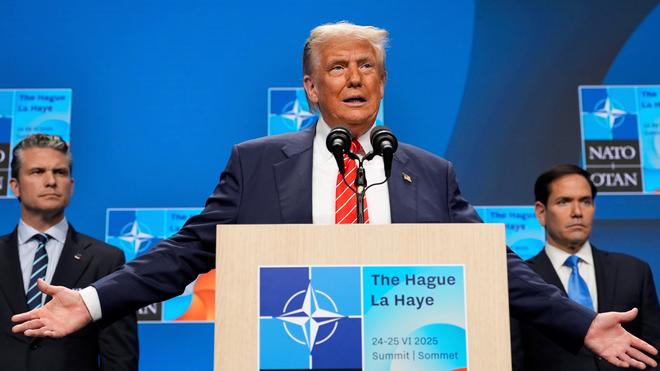
President Donald Trump claimed he is Iran’s “No. 1 target” after security measur...
.jpeg)
Three people were killed in U.S. strikes in western Iran as tensions escalated f...
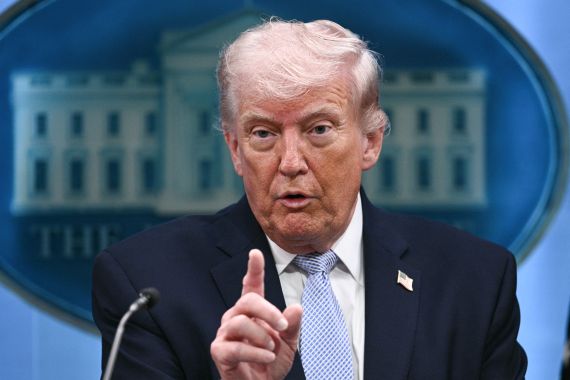
President Donald Trump said the Iran ceasefire is “over” following fresh U.S. st...