.png)
Desk Correspondent , New Delhi - India's 4-day AI Impact Summit 2026, held at Bharat Mandapam from 16 to 20 Feb, concluded yesterday with a mixture of big investment commitments, technological pleasure, and also on-the-ground controversy. Including high-stakes technological investors, experts, policymakers, and researchers all over the seas showed the clear vision of India to lead with responsible, growing, and impactful AI development. The Union Minister Vaishnaw declared that the Summit managed to gather over $250 billion in AI-related infrastructure commitments, including state ET initiatives and cross-border projects, focusing on "Sovereign AI." Now, where does India stand after the summit?
Global Participation
World leaders and tech CEOs used the summit to introduce and continue with the ethical and developing aspects of the AI framework. Dignitaries from over 100 countries came up with their discussion on shared governance, tech standards, and international cooperation. GPAI (Global Partnership on AI) Council meetings emphasise safe and regulatory data use in case of rising risks and threats in AI.
Microsoft announced it will invest $50 billion by 2030 to expand AI capabilities in the Global South, along with infrastructure, training, and multilingual AI models for the emerging economies.
These inventions will boost the implementation and literacy of AI, especially in the agricultural, medical, and education sectors.
What's next for India?
Initially, events like these don't look very familiar to us. No sudden drop in price, no less competition in the job market, and no direct opportunity of employment. But this would be a long-term, structured, and constructive development of the nation. AI modes discussed in the summit sounded fancy, but the base is quite simple yet concrete. AI is for making life convenient, which means less paperwork in professional or official sectors, fast and reliable outcomes, and less confusion, crowdedness and fighting for basic needs.
Moreover, AI would help the government to identify and target citizens who really need the benefit from a scheme without any loopholes. Also, introducing multilingual AI modes for a nation like India with different native languages, accents and dialects, which will help people who don't speak English and use digital services.
Indeed, the AI Summit was expensive, but was it worth the money? The answer is yes. India is one of the largest democracies that can directly benefit from the innovation of AI. But simultaneously, Indians can't always rely on the global power to introduce new technological outbreaks and be a passive user. India can't be just a follower of AI rules and alliances developed by some other nation, but India wants to innovate and navigate as well. If India hasn't participated actively, global AI frameworks would still be introduced, but without India's interest.
After the AI Summit, India came up with some major initiatives to implement on AI and cyber service usage.
Primarily, AI needs to be regulated and controlled by us and not vice versa. AI needs to be inclusive, not just for the rich and literate sector of society, but for all. And lastly, developing countries like India should also participate in creating AI rules rather than just following the Western standards.
India is determined to use AI to create more jobs rather than destroying jobs. Services in the government and medical sectors would become simpler and smarter. Education would become more personalised with live interactive sessions and lectures. Most importantly, scams in government schemes would be reduced.
Moreover, one example is the plan by the State of Andhra Pradesh to train one lakh of its young people using global partners as part of this initiative to develop skills in AI, cybersecurity and quantum computing at scale in partnership with other state governments across India. India’s technology ecosystem also presented to those present numerous indigenous AI solutions with real-life applications, including language-oriented (for example, Natural Language Processing) and machine learning software platforms, among others.
The summit doesn't promise an instant solution. It laid rails for the next 10–15 years. If policies are implemented honestly, the biggest winners won’t be tech giants, but ordinary citizens who rely on public systems every day.
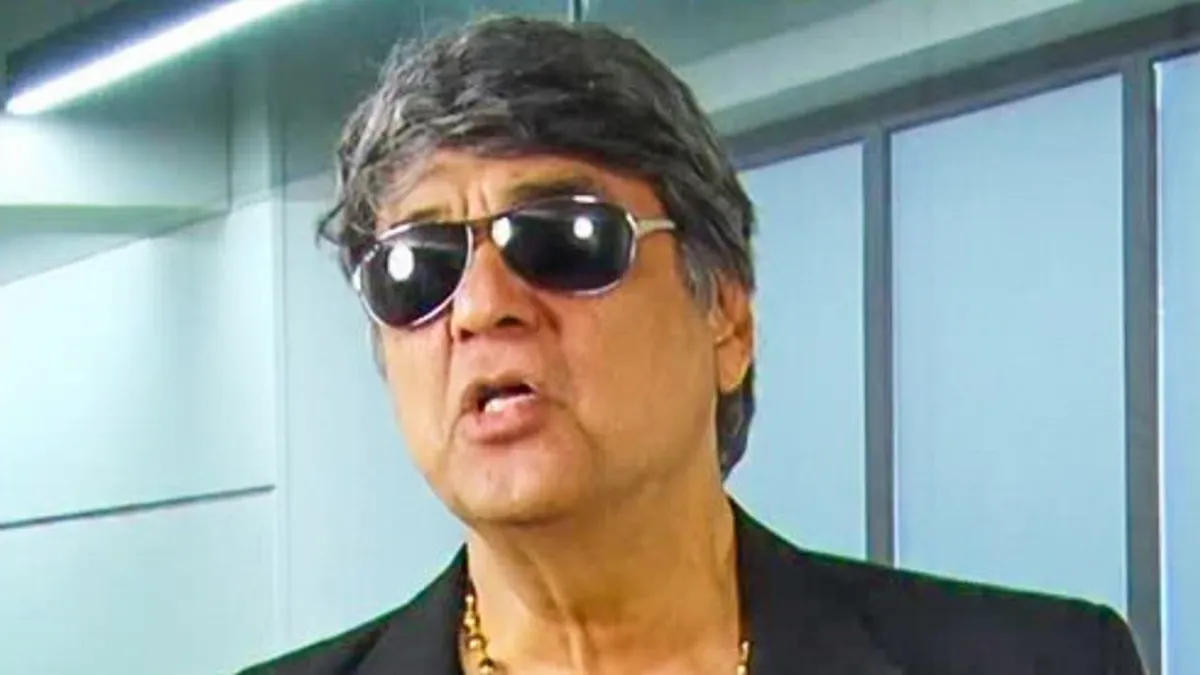
Mukesh Khanna’s call to replace “Jana Gana Mana” with “Vande Mataram” has sparked debate over India’s national symbols and the history behind them.
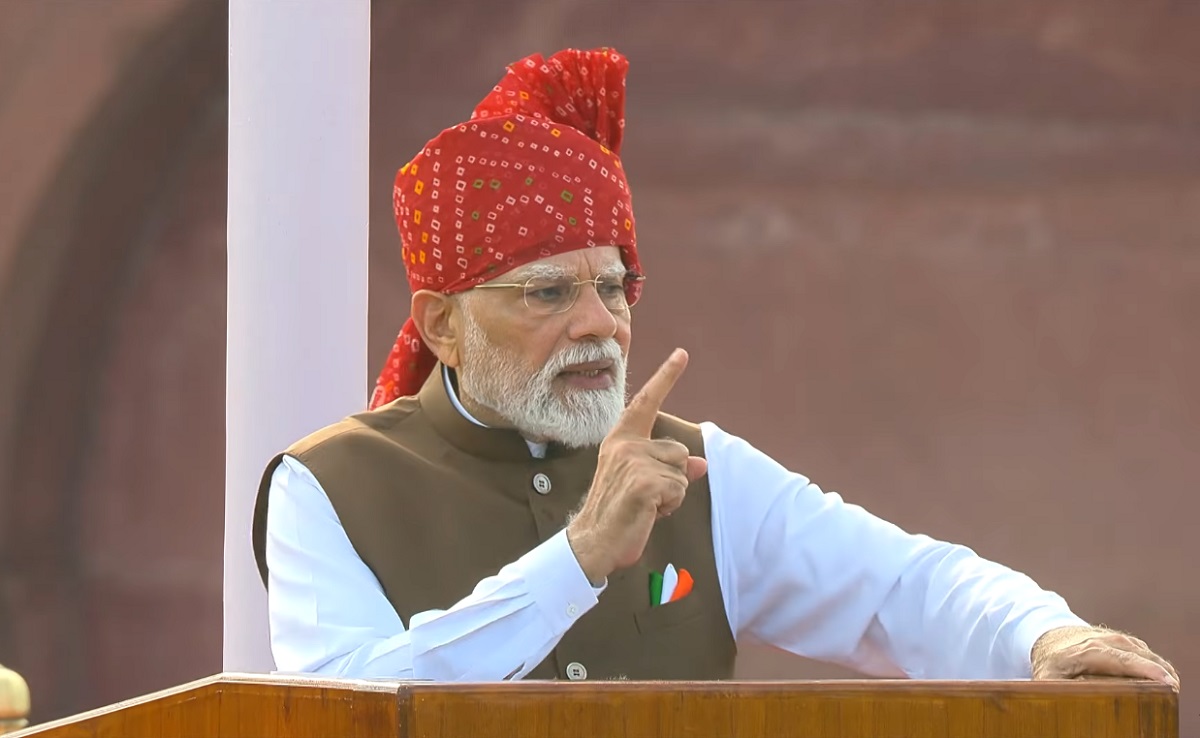
PM Modi warned against what he called “dimaagi Naxals,” urging their identification and isolation, while the Congress criticised the remarks as politically motivated.
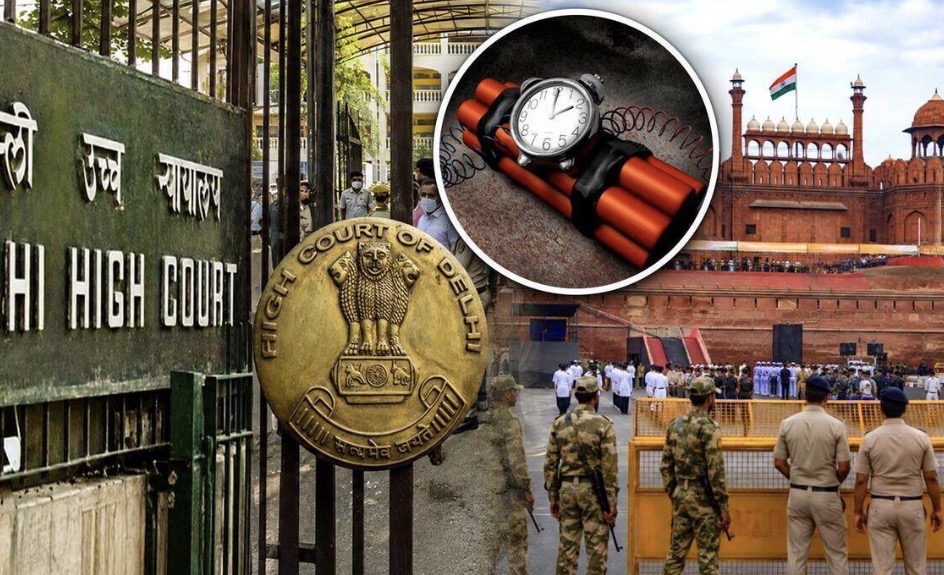
Bomb Threats Reported at Six Locations in Delhi, Security Agencies on High Alert
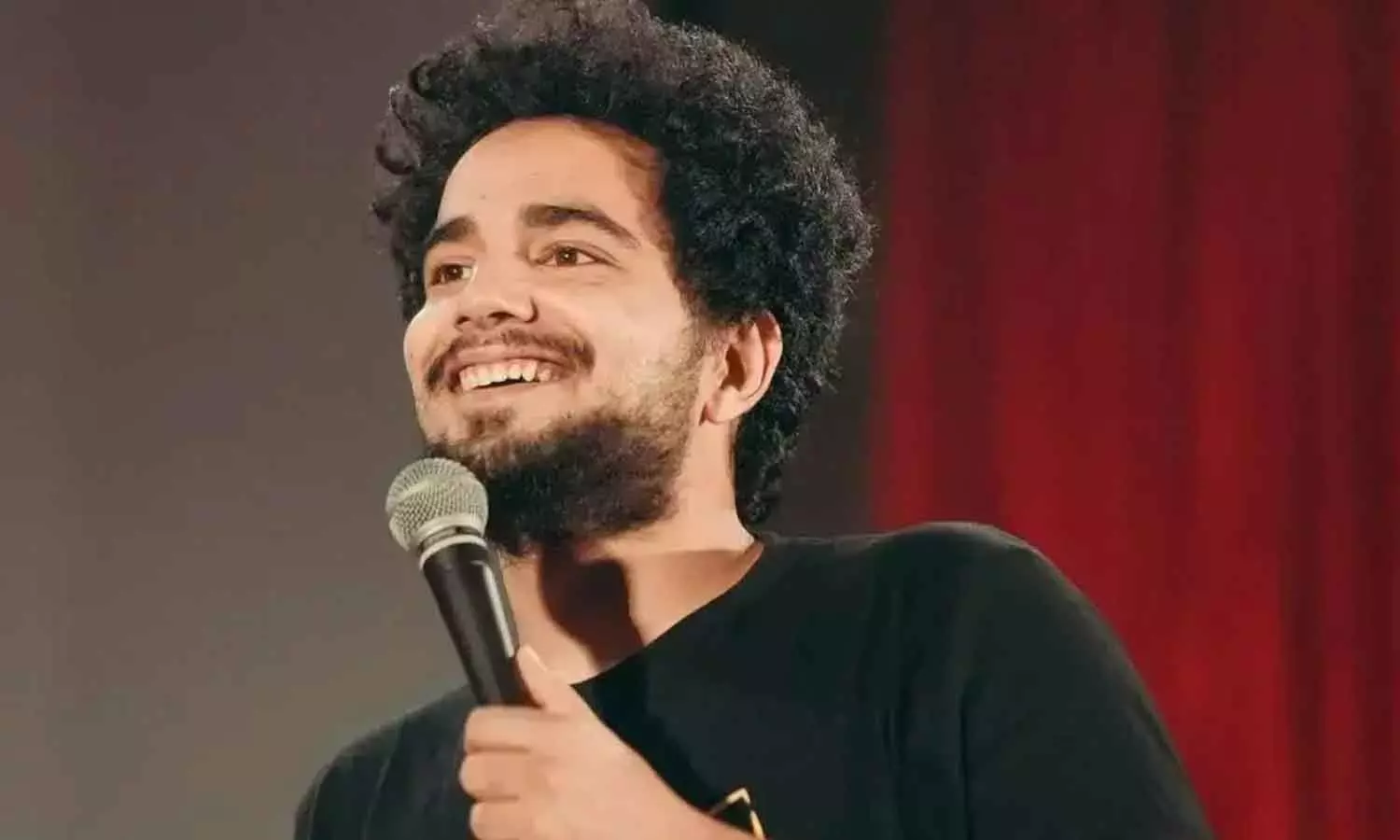
Supreme Court Grants Major Relief to Samay Raina, All FIRs in ‘India’s Got Latent’ Case Closed
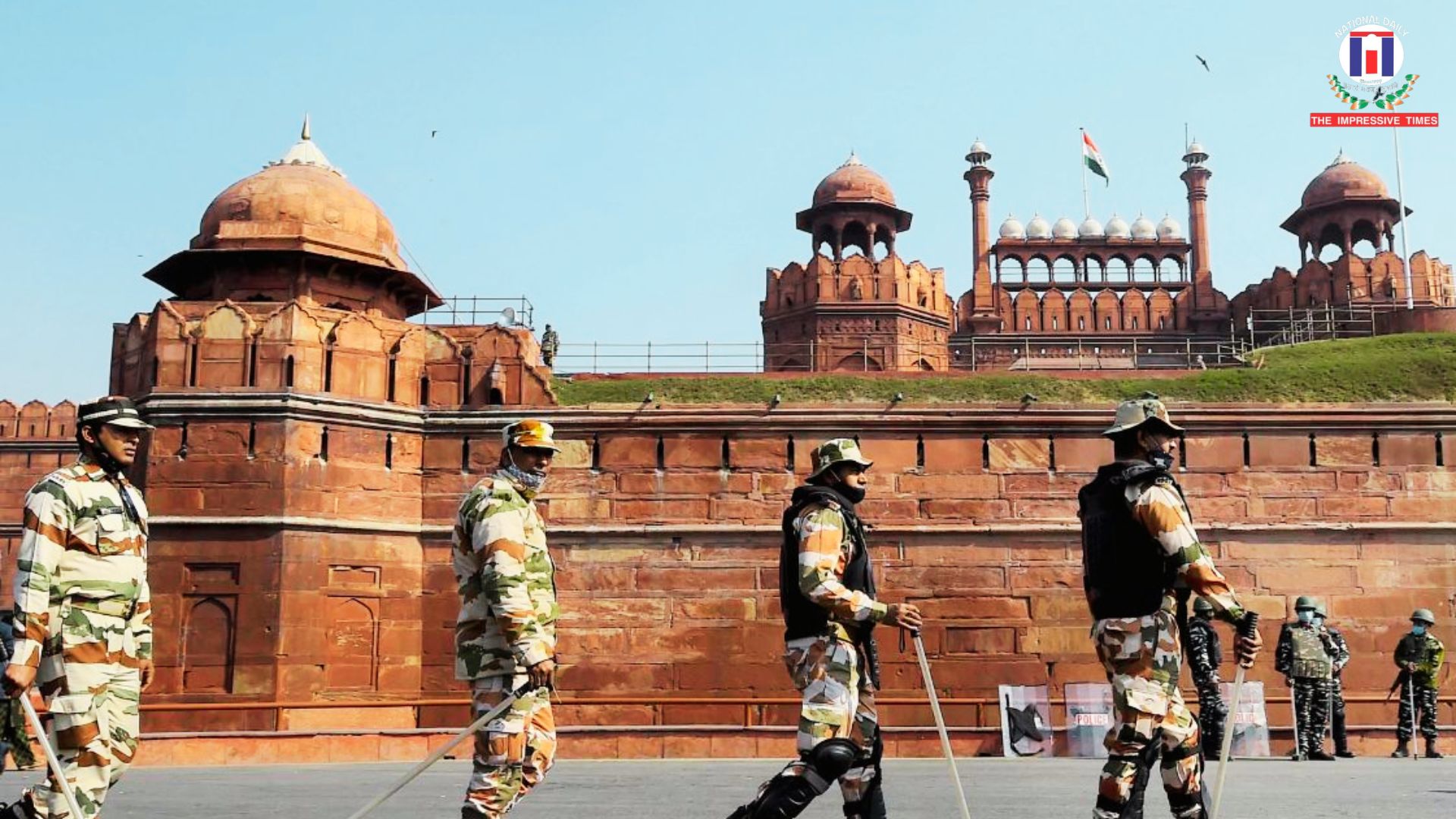
Security Tightened at Red Fort Ahead of Independence Day Celebrations
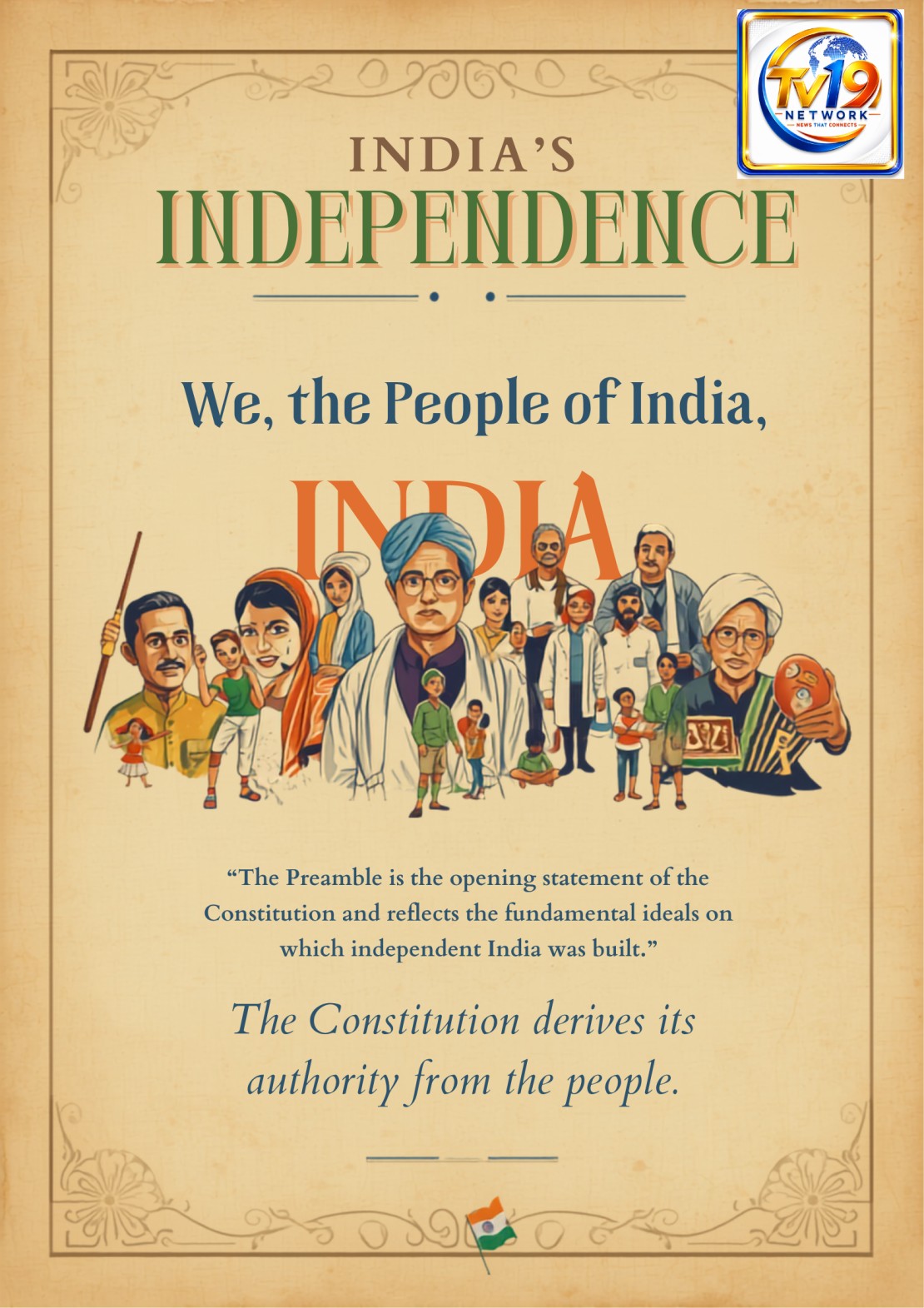
From winning freedom in 1947 to protecting the values of our Constitution today, the responsibility of building India belongs to all of us.
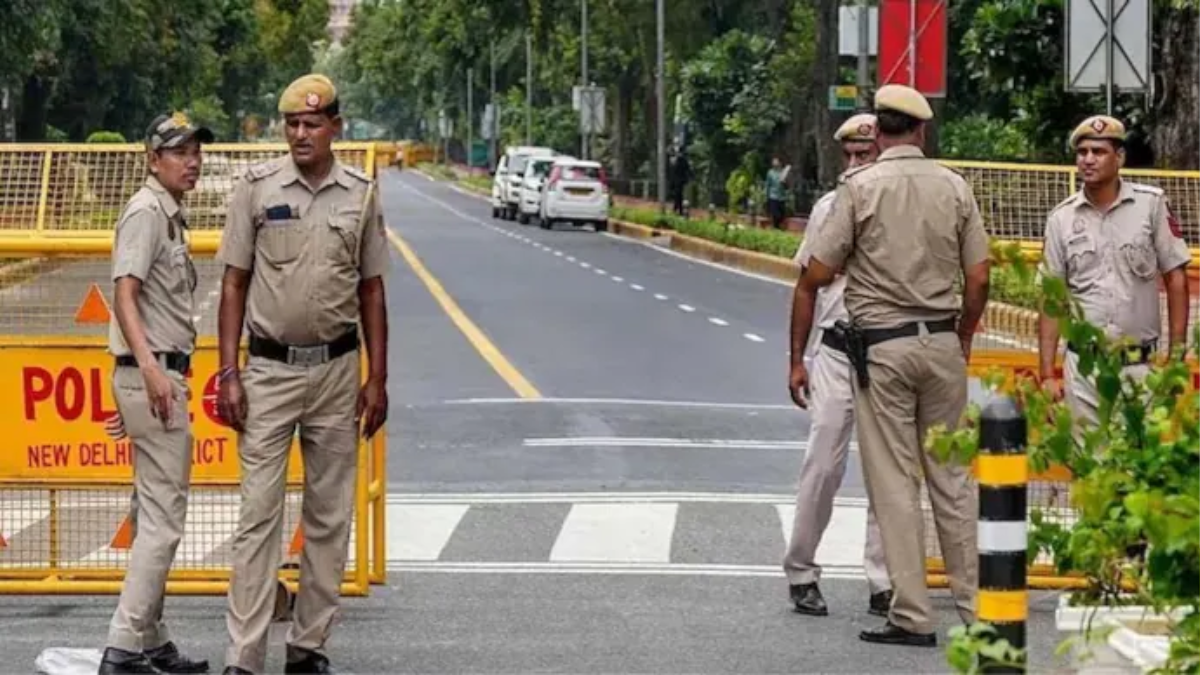
Delhi High Court Receives Bomb Threat, Security Tightened
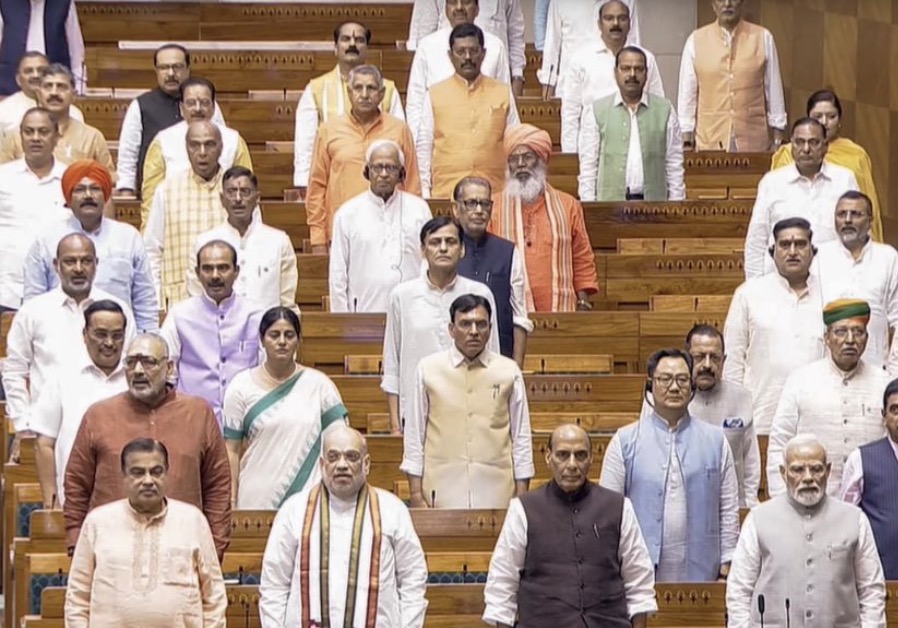
Vande Mataram’ Sung in Parliament for the First Time, Marks a Historic Moment
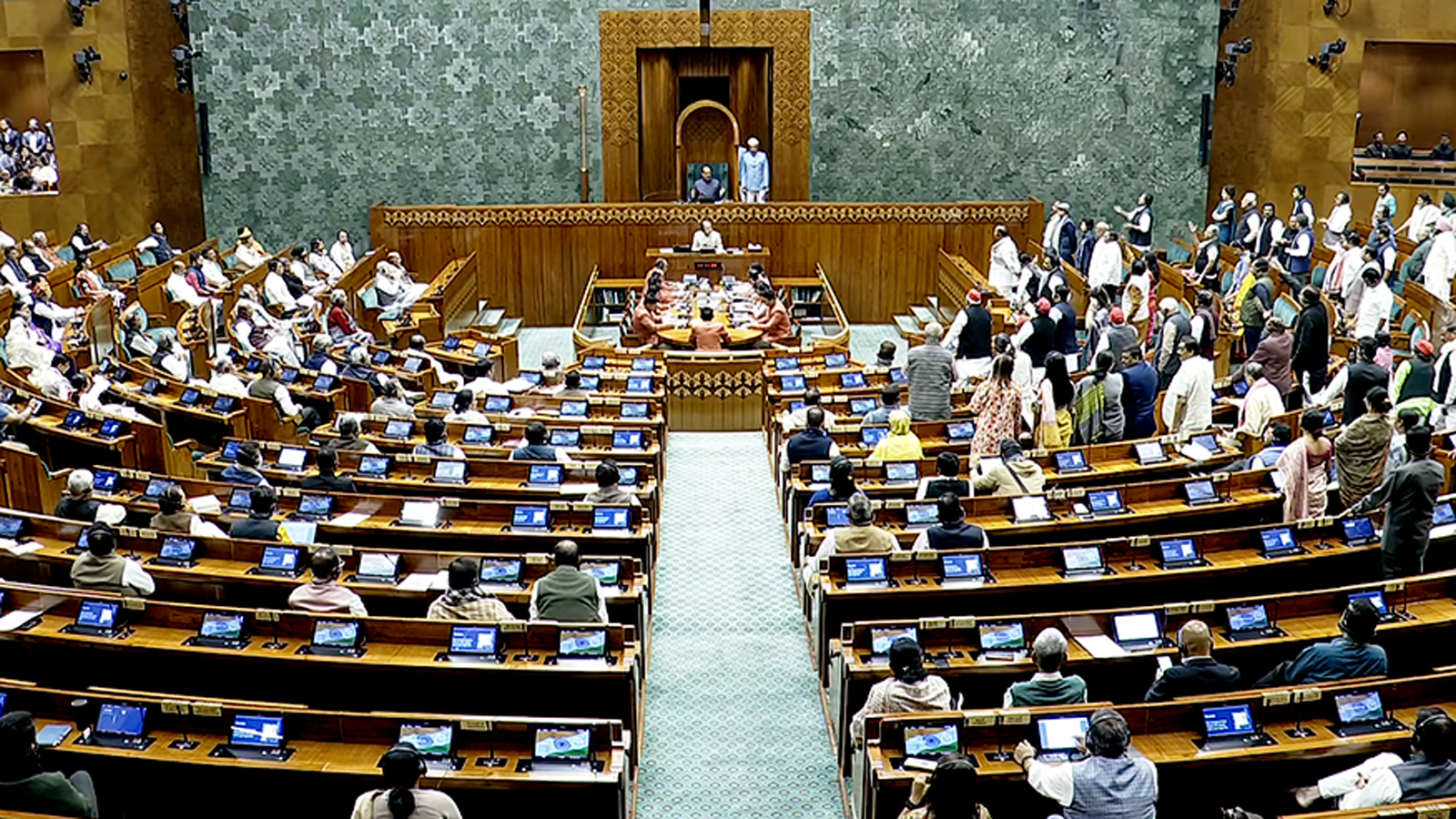
Lok Sabha Adjourned Indefinitely, Monsoon Session Concludes
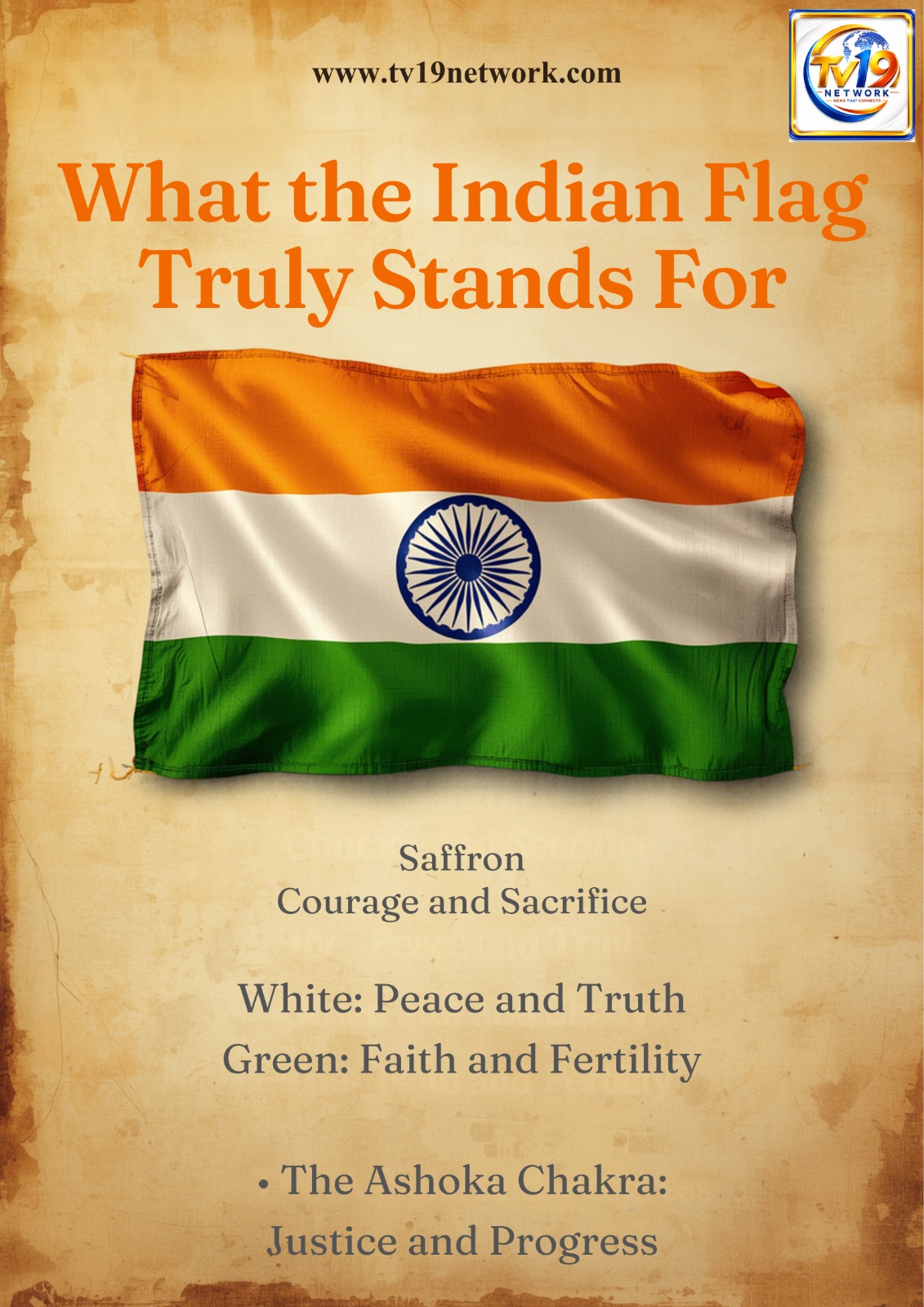
The Indian tricolour is more than three colours it represents courage, truth, peace, growth and the nation’s journey forward through the Ashoka Chakra.
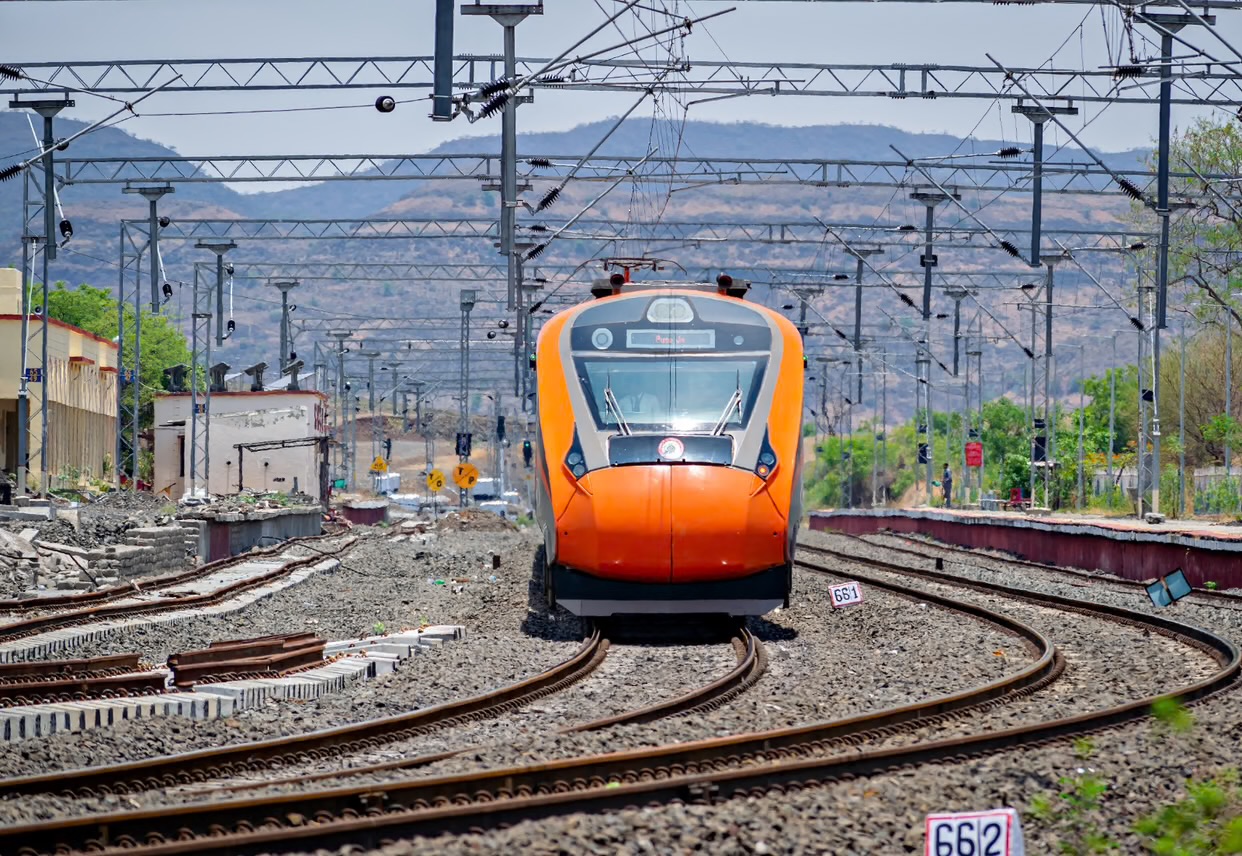
Two Amrit Bharat Trains to Connect Gorakhpur with Delhi and Mumbai

Dangal Girl Babita Phogat Becomes a Mother, Welcomes Baby Girl on Shivratri
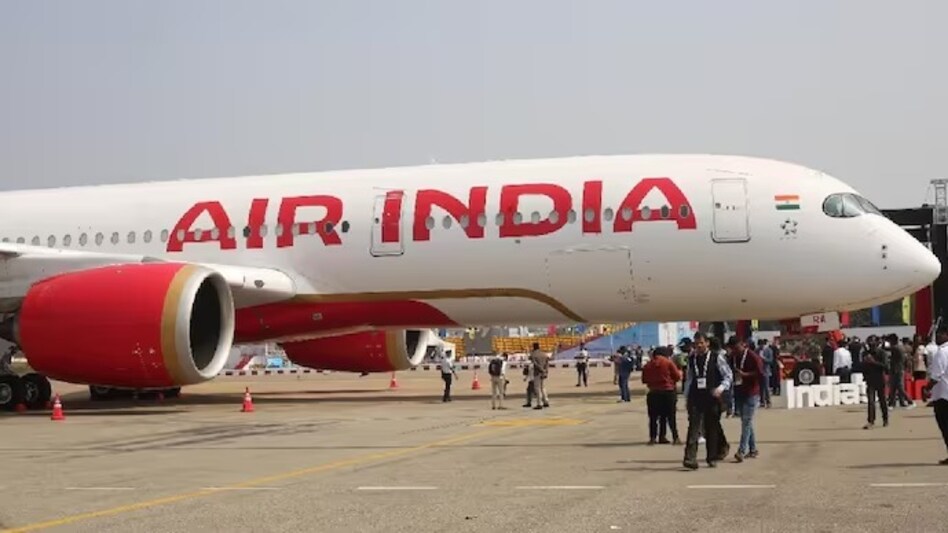
Air India Turbulence: Multiple Lapses Found in Post-Flight Report, 13 Faults Logged in 80 Minutes
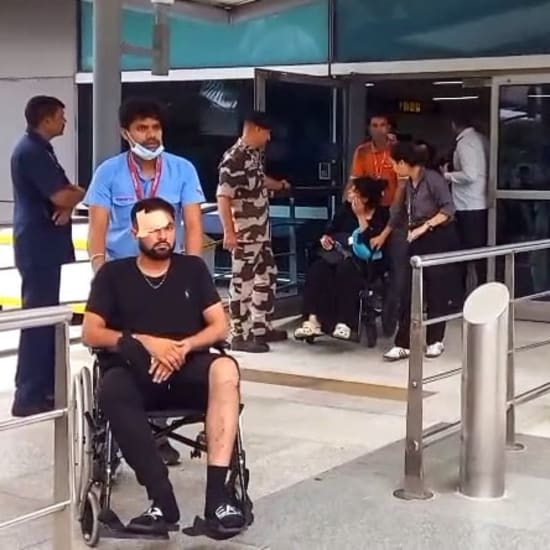
Random Drug Tests for Pilots in Focus After AI2379 Cannabis Case
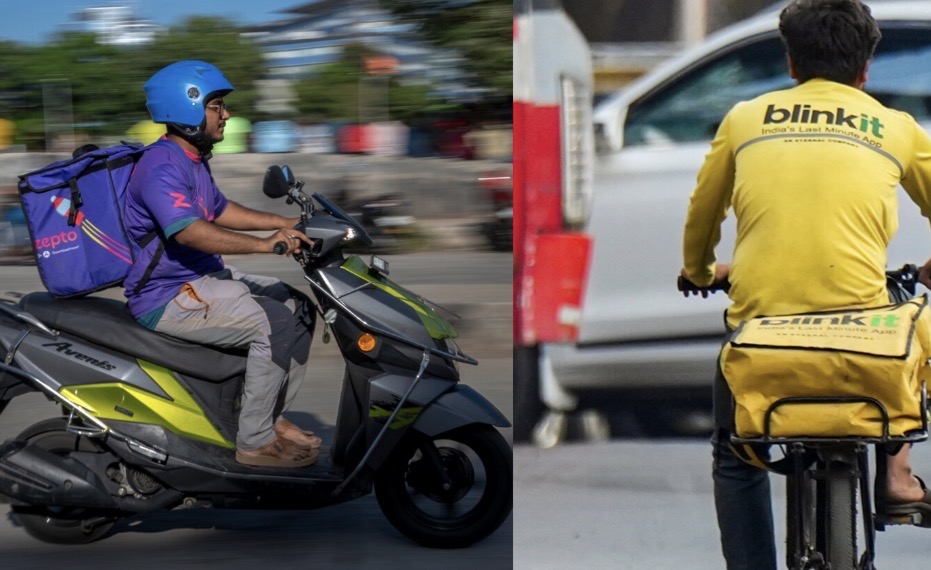
Zepto and Blinkit Under Scanner Over Alleged Food Safety Violations

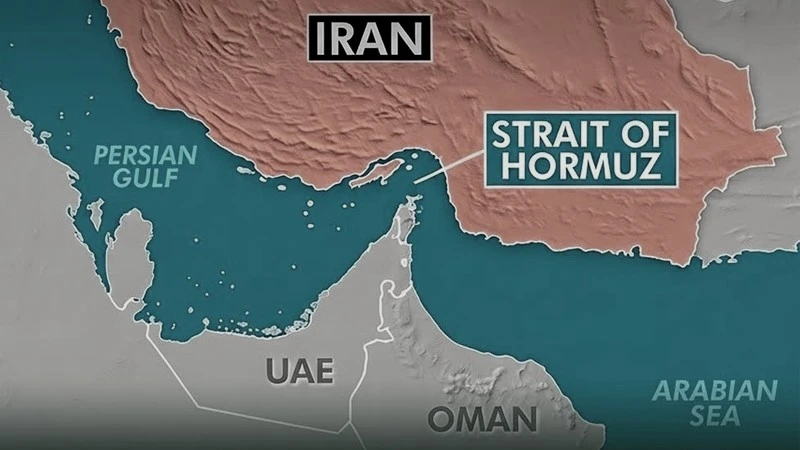
Iran, Oman and the U.S. are reportedly close to a Strait of Hormuz agreement tha...
.jpeg)
Fresh U.S. airstrikes in Iran reportedly killed 14 people, prompting Iranian ret...
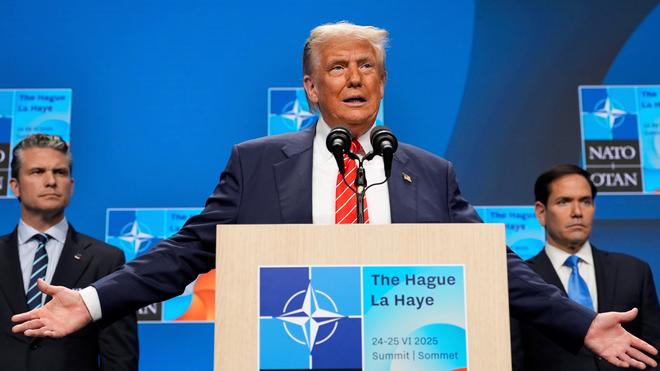
President Donald Trump claimed he is Iran’s “No. 1 target” after security measur...
.jpeg)
Three people were killed in U.S. strikes in western Iran as tensions escalated f...
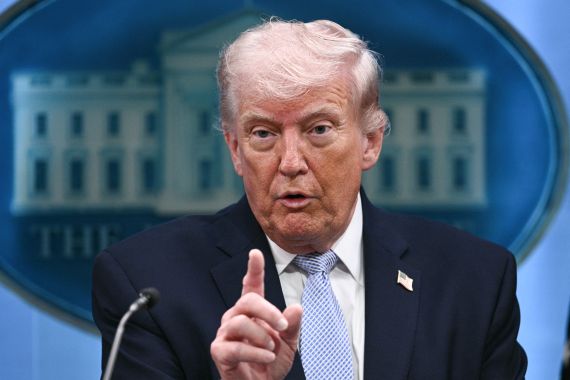
President Donald Trump said the Iran ceasefire is “over” following fresh U.S. st...