Desk Correspondent , Tehran - The US-Iran ceasefire, brokered less than two weeks ago after intense hostilities in the Strait of Hormuz, now stands on the brink of collapse. Iran has warned that it is preparing new cards on the battlefield if the truce fails and war resumes, while US President Donald Trump has publicly stated that an extension of the ceasefire is highly unlikely unless Tehran agrees to what he calls a far better deal. The tension is being played out against a hard line US naval blockade of Iranian ports and the looming expiry of the temporary truce, raising the risk of fresh military strikes and wider regional escalation at a moment when global energy markets and diplomatic channels are already under severe strain.
Iran’s warnings of new cards on the battlefield come from its powerful parliament speaker and chief negotiator, who has publicly rejected the idea of holding talks under the shadow of threats. During the ceasefire window, Tehran has insisted that it has used the pause not only to reposition forces and refine tactics but also to bring fresh military and strategic options into play options it claims it will reveal should hostilities restart. The message is clear: Iran does not see the current ceasefire as a victory for diplomacy, but as a fragile pause in which it must strengthen its leverage.
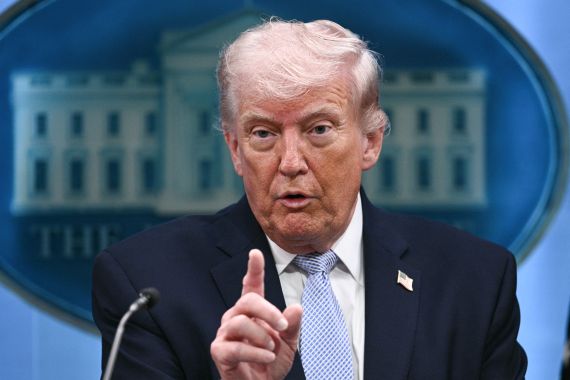
At the same time, Trump has doubled down on his demands, insisting that any extension must include stricter limits on Iran’s nuclear program, guarantees on its regional behaviour, and the full opening of the Strait of Hormuz for all shipping. He has maintained and even reinforced a naval blockade of Iranian ports, pointing to the seizure of an Iranian‑flagged ship attempting to circumvent the cordon in the Gulf of Oman as proof that Tehran is not complying with the current terms. The White House has released video footage and statements highlighting the detention of vessels and the monitoring of others, underscoring Washington’s determination to keep economic and military pressure on Iran.
The combination of Iran’s battlefield warnings, Trump’s refusal to lift the naval blockade, and the near term expiry of the ceasefire has turned the current window into a high stakes standoff rather than a genuine peace process. What began as a two week pause in direct strikes may now become a transition point either toward a more comprehensive deal or a renewed spiral of military action. The region, the Strait of Hormuz, and global energy markets are all watching to see whether the new cards Iran has hinted at will be played across the negotiating table or on the battlefield. For now, the ceasefire’s main legacy may be less about lasting peace and more about revealing how thin the margin is between diplomacy and outright war in today’s US-Iran confrontation.
.jpeg)
Trump cited India’s voter-ID system while backing the SAVE America Act, highlighting differences in voting rules between the two countries.
.jpeg)
A Russian missile strike hit Lakshmi Mittal-linked ArcelorMittal’s steel plant in Ukraine, killing two and injuring several others as the war escalates.
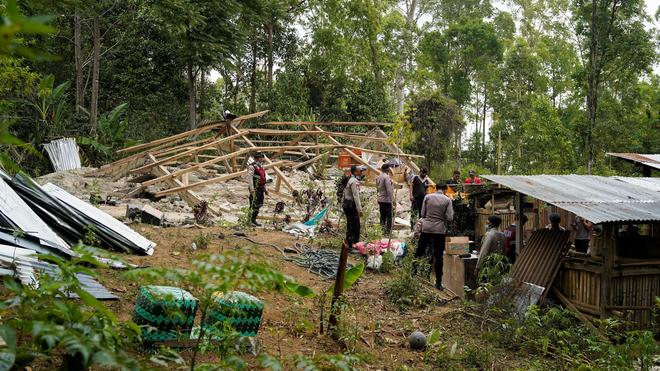
A powerful earthquake in Indonesia has killed 53 people and forced around 5,000 to evacuate, as aftershocks and landslides hamper rescue efforts.

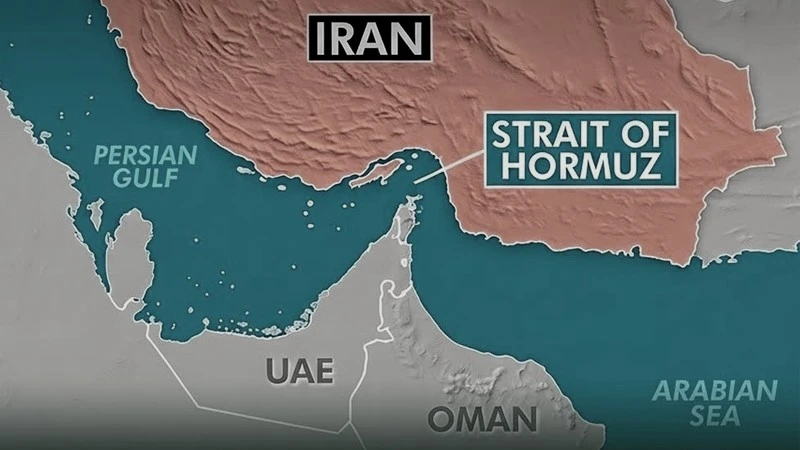
Iran, Oman and the U.S. are reportedly close to a Strait of Hormuz agreement tha...
.jpeg)
Fresh U.S. airstrikes in Iran reportedly killed 14 people, prompting Iranian ret...
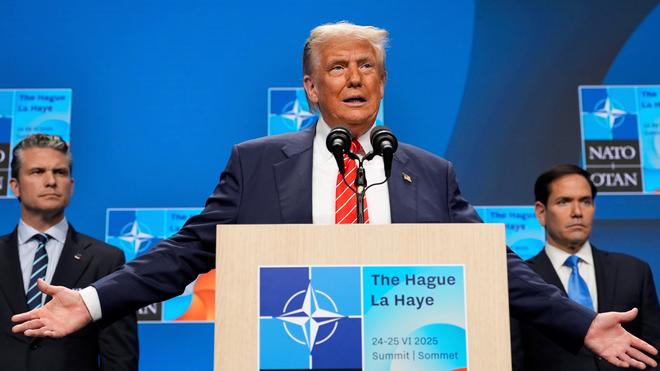
President Donald Trump claimed he is Iran’s “No. 1 target” after security measur...
.jpeg)
Three people were killed in U.S. strikes in western Iran as tensions escalated f...
President Donald Trump said the Iran ceasefire is “over” following fresh U.S. st...