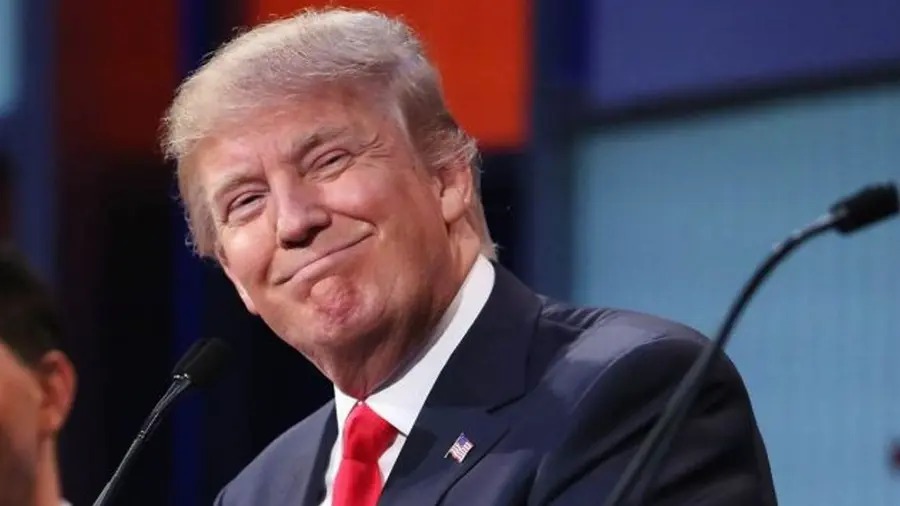
Swapna Kumbar , Bengaluru - US President Donald Trump has announced a temporary suspension of “Project Freedom,” the American military operation aimed at escorting commercial vessels through the Strait of Hormuz, as indirect talks with Iran inch toward a possible deal. The move signals a short term de‑escalation in the maritime standoff while keeping Washington’s naval blockade and economic pressure on Tehran intact.
Unveiled in a post on his Truth Social platform, Trump described the pause as a concession to Pakistan and other mediating countries, citing great progress in efforts toward a “Complete and Final Agreement” with Iranian representatives. Under the suspension, US Navy assets will stop actively guiding or clearing ships through the narrow chokepoint, a mission that had formally begun less than 24 hours earlier under the banner of “Project Freedom (The Movement of Ships through the Strait of Hormuz).” Despite the operational pause, Trump stressed that the broader US‑imposed naval blockade around Iranian ports and key Gulf routes will remain fully enforced.
Analysts say the brief halt appears designed to give diplomatic talks breathing room, at a time when intermediaries such as Pakistan have been pushing for a lasting ceasefire and a framework to de‑escalate the wider Middle East conflict involving Iran, the US, and allied regional states. The Strait of Hormuz, handling roughly a fifth of global oil shipments, had been effectively bottlenecked by Iranian actions and US countermeasures, rattling energy markets; this temporary suspension of the escort operation is being watched closely by oil dependent economies and shipping firms as a test of whether a political settlement can stabilize the vital waterway.
By pausing Project Freedom while keeping the blockade in place, the Trump administration is balancing hard power pressure with a narrow opening for diplomacy. The coming days will hinge on whether the US‑Iran talks can yield a concrete accord or if the pause simply becomes a prelude to renewed maritime tensions around one of the world’s most critical trade lanes.
.jpeg)
Trump cited India’s voter-ID system while backing the SAVE America Act, highlighting differences in voting rules between the two countries.
.jpeg)
A Russian missile strike hit Lakshmi Mittal-linked ArcelorMittal’s steel plant in Ukraine, killing two and injuring several others as the war escalates.
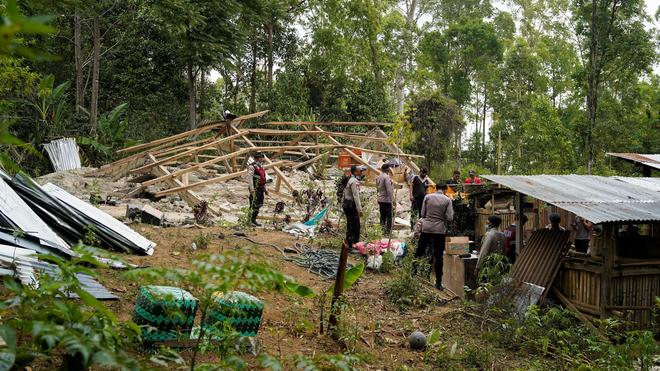
A powerful earthquake in Indonesia has killed 53 people and forced around 5,000 to evacuate, as aftershocks and landslides hamper rescue efforts.

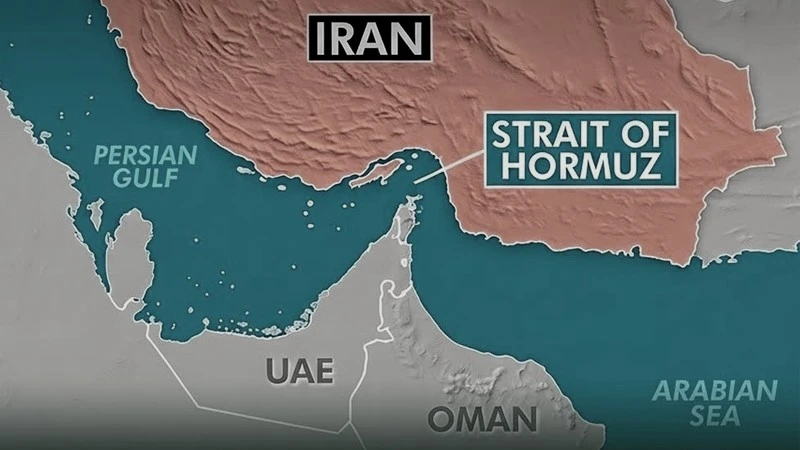
Iran, Oman and the U.S. are reportedly close to a Strait of Hormuz agreement tha...
.jpeg)
Fresh U.S. airstrikes in Iran reportedly killed 14 people, prompting Iranian ret...
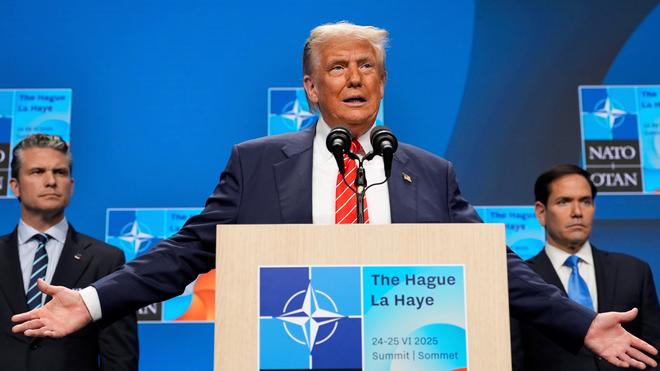
President Donald Trump claimed he is Iran’s “No. 1 target” after security measur...
.jpeg)
Three people were killed in U.S. strikes in western Iran as tensions escalated f...
President Donald Trump said the Iran ceasefire is “over” following fresh U.S. st...