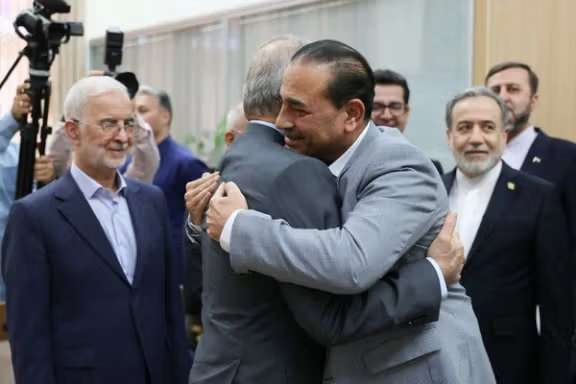
Swapna Kumbar , Bengaluru - Hopes for a major diplomatic breakthrough in the Middle East rose sharply after US Secretary of State Marco Rubio suggested that a deal between the United States and Iran could be finalized today. The remarks come as both countries continue observing a fragile ceasefire that has largely held since April 8, despite ongoing tensions surrounding Gulf shipping routes, sanctions, and military activity across the region. Global markets and regional governments are closely watching the negotiations, which could significantly impact oil supplies, trade stability, and the broader geopolitical situation in West Asia.
According to reports, negotiations are now focused on finalizing a framework that could reopen the Strait of Hormuz, ease restrictions on Iranian oil exports, and reduce the risk of renewed military escalation. The United States and Iran have maintained a temporary ceasefire while backchannel mediators, including Pakistan and Gulf nations, push both sides toward a broader political settlement. However, tensions remain high as Iran continues imposing partial controls on shipping traffic through the Strait of Hormuz, while the US has maintained pressure through restrictions targeting Iranian ports and maritime trade. Rubio reportedly defended the proposed agreement amid criticism from American political conservatives and concerns from Israeli leadership over possible concessions to Tehran. Reports suggest the draft understanding may include phased sanctions relief, reopening of Gulf shipping routes, and renewed discussions on Iran’s nuclear program, though several sensitive issues remain unresolved. The outcome of the negotiations could reshape energy markets and regional alliances, especially since the Strait of Hormuz remains one of the world’s most critical oil transit routes.
While officials from both countries continue expressing cautious optimism, the situation remains highly delicate with major disagreements still unresolved. Any successful agreement could ease one of the world’s most dangerous geopolitical flashpoints, while failure could quickly push the region back toward military confrontation and deeper global economic uncertainty.
.jpeg)
Trump cited India’s voter-ID system while backing the SAVE America Act, highlighting differences in voting rules between the two countries.
.jpeg)
A Russian missile strike hit Lakshmi Mittal-linked ArcelorMittal’s steel plant in Ukraine, killing two and injuring several others as the war escalates.
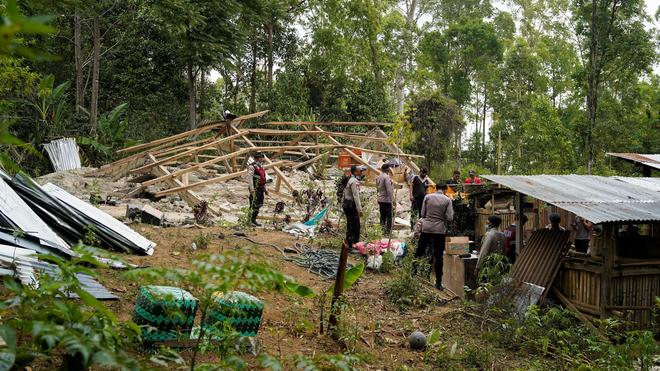
A powerful earthquake in Indonesia has killed 53 people and forced around 5,000 to evacuate, as aftershocks and landslides hamper rescue efforts.

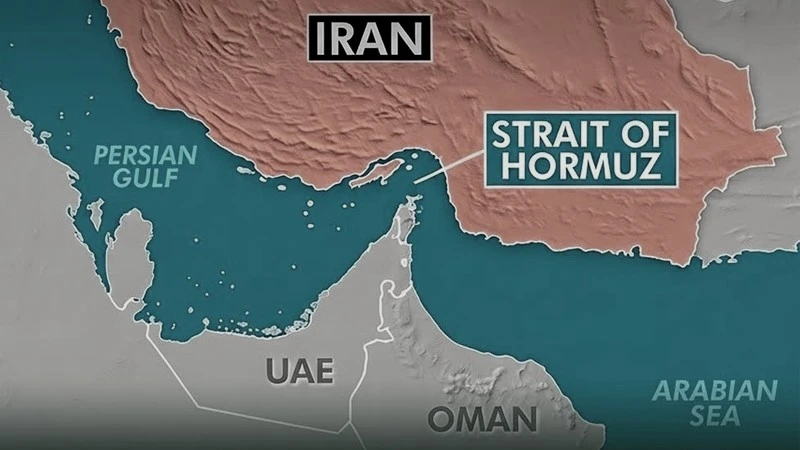
Iran, Oman and the U.S. are reportedly close to a Strait of Hormuz agreement tha...
.jpeg)
Fresh U.S. airstrikes in Iran reportedly killed 14 people, prompting Iranian ret...
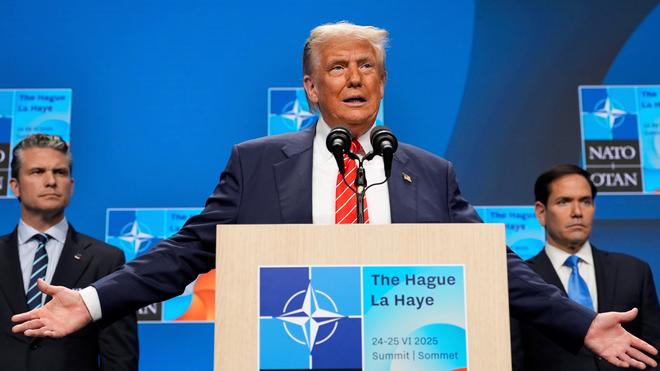
President Donald Trump claimed he is Iran’s “No. 1 target” after security measur...
.jpeg)
Three people were killed in U.S. strikes in western Iran as tensions escalated f...
President Donald Trump said the Iran ceasefire is “over” following fresh U.S. st...