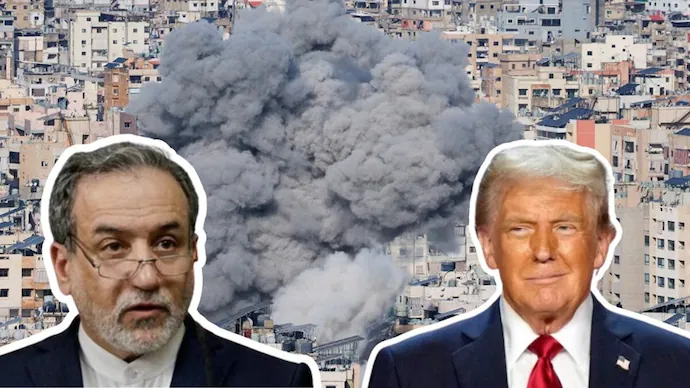
Swapna Kumbar , Bengaluru - Iran has put forward a fresh peace formula to the United States, urging Washington to reopen the Strait of Hormuz and end the war now, while pushing sensitive nuclear program negotiations to a later stage. The proposal, conveyed through Pakistani mediators, marks a significant shift in Tehran’s diplomatic approach: it seeks an immediate de‑escalation of the conflict and the lifting of the US naval blockade, even as it postpones the most contentious issues, including uranium enrichment, until a second phase of talks. The move comes amid stalled negotiations in Islamabad and rising pressure on Iran’s economy from the chokehold on shipping.
Under the new framework, Iran is reportedly offering a three stage path: first, a formal end to hostilities with the United States; second, the reopening of the Strait of Hormuz and the easing of the blockade; and third, a separate, later round of talks on nuclear limits, sanctions relief, and regional security. Iranian officials argue that this “phased” approach can break the deadlock in Pakistan led mediation, where divisions inside Tehran over immediate nuclear concessions have repeatedly derailed final agreements. Western analysts note that the proposal effectively tries to separate the Strait of Hormuz crisis from the broader nuclear file, in a way that could please global markets while shielding Iran’s core nuclear activities from upfront caps.
Pakistan’s role as a go between remains central. Iranian Foreign Minister Abbas Araghchi has shuttled between Islamabad and Oman as part of this mediation effort, even as some Iranian lawmakers publicly question whether Pakistan can remain neutral or is overly aligned with Washington. The US has acknowledged receiving the proposal but has not yet signalled full acceptance, with officials warning that reopening the Strait cannot be divorced from wider security concerns, including Iran’s missile program and its support to regional armed groups. For ordinary Iranians, the stakes are high: blocked oil exports and disrupted trade routes have tightened already strained finances, giving Tehran strong incentive to secure a deal that first reopens the Strait, even if it delays nuclear concessions.
By insisting on “open Hormuz now, nuclear talks later,” Iran is testing whether Washington will accept a step by step de‑escalation instead of a single, all in one package. The response from the Trump administration will signal whether this phased formula can become the basis for a durable ceasefire or simply another round of bargaining in a grinding war that has already reshaped shipping, energy prices, and regional alliances. If the US finds the terms workable, the Strait first proposal could ease immediate tensions; if not, the deadlock around Hormuz may deepen, prolonging the standoff across the Gulf.
.jpeg)
Trump cited India’s voter-ID system while backing the SAVE America Act, highlighting differences in voting rules between the two countries.
.jpeg)
A Russian missile strike hit Lakshmi Mittal-linked ArcelorMittal’s steel plant in Ukraine, killing two and injuring several others as the war escalates.
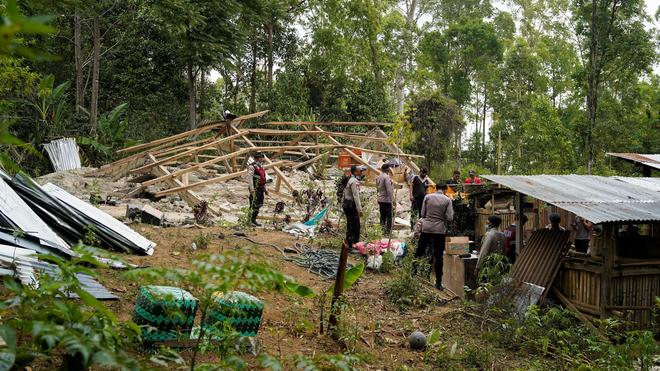
A powerful earthquake in Indonesia has killed 53 people and forced around 5,000 to evacuate, as aftershocks and landslides hamper rescue efforts.

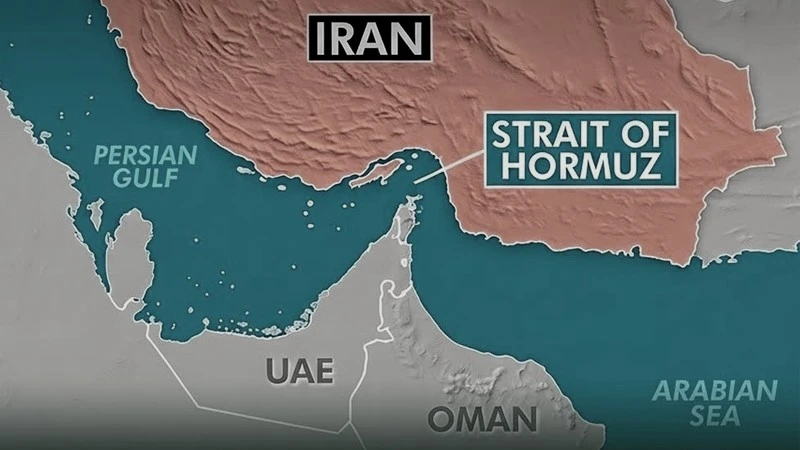
Iran, Oman and the U.S. are reportedly close to a Strait of Hormuz agreement tha...
.jpeg)
Fresh U.S. airstrikes in Iran reportedly killed 14 people, prompting Iranian ret...
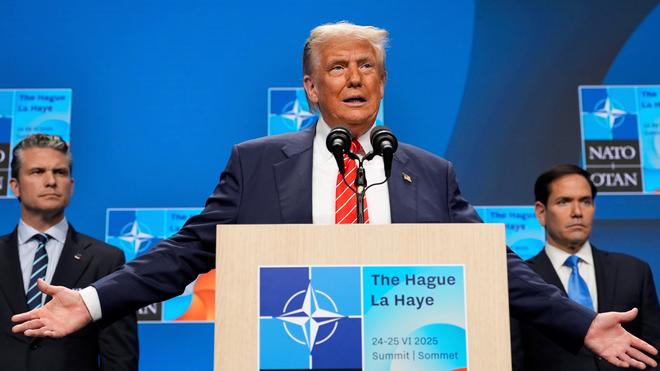
President Donald Trump claimed he is Iran’s “No. 1 target” after security measur...
.jpeg)
Three people were killed in U.S. strikes in western Iran as tensions escalated f...
President Donald Trump said the Iran ceasefire is “over” following fresh U.S. st...