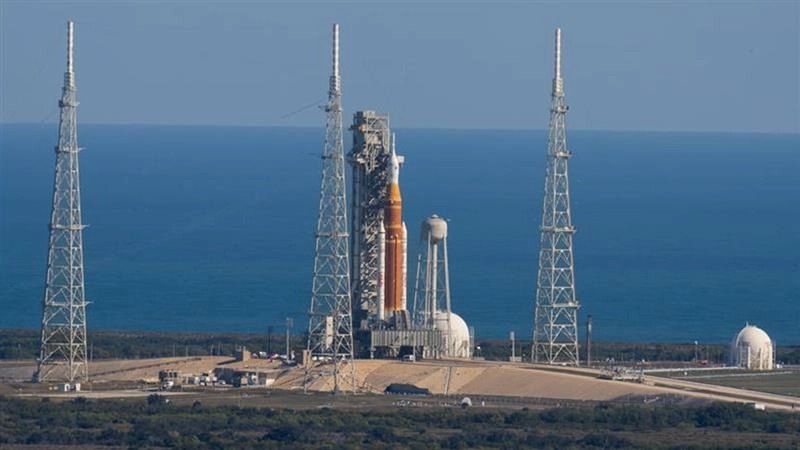
Desk Correspondent , Delhi - NASA's upcoming Artemis II mission, which will become the first crewed lunar mission to occur after 50 years, will not launch in March 2026 because NASA Administrator Jared Isaacman announced the mission's new launch date after technical issues disrupted the agency's timetable.
The mission is primarily part of NASA's broader Artemis programme, designed to return humans to the Moon and then, eventually, reach Mars. The mission recently completed key preparation, including a "wet dress rehearsal", that demonstrated their ability to use the Space Launch System (SLS) and Orion spacecraft through actual operational scenarios.
However, engineers detected an interruption that prevented helium from flowing through the rocket's initial cryogenic propulsion stage, a vital system that maintains fuel tank pressure and enables the engine to start. Hence, NASA has declared that the March launch window has been cancelled because of the discovered anomaly.
Significance of Helium
The importance of helium in space exploration constitutes an essential element because it supports rocket launch operations. The system uses helium for two functions, which include pipe cleaning and tank pressure maintenance, but any system failure that affects these functions will lead to safety problems that space agencies cannot allow during manned missions. NASA officials are now weighing whether to roll the enormous rocket back into the Vehicle Assembly Building (VAB) at Kennedy Space Centre for detailed inspections and repairs.
Precautions to Regulate Higher Risk
NASA plans to launch Artemis II, which will transport three American astronauts and one Canadian astronaut on a 10-day mission to orbit the Moon without landing, thus achieving the longest space mission since the 1960s and 1970s lunar landings.
NASA leaders state that public dissatisfaction exists because crew safety and mission success are more important than schedule requirements. The Apollo program faced frequent mission challenges, which Isaacman described as essential for maintaining mission integrity.
Looking at the Future Prospect
As March is already out of the list, NASA is yet to announce a new date. Engineers will analyse whether it is possible to conduct the repair and testing quickly or if it will need more expensive work inside the VAB. Experts mentioned that the nearest most realistic opportunity may come in April or later, depending on the technical fixes it needs.
Every delay might feel frustrating, yet NASA’s steady pace shows something deeper about reaching space—getting it right matters far more than doing it early, particularly when astronauts depend on every detail. Though goals stretch years ahead, Artemis still holds the key, shaping what comes next, from Moon landings under Artemis III to distant steps toward Mars.
.jpeg)
Trump cited India’s voter-ID system while backing the SAVE America Act, highlighting differences in voting rules between the two countries.
.jpeg)
A Russian missile strike hit Lakshmi Mittal-linked ArcelorMittal’s steel plant in Ukraine, killing two and injuring several others as the war escalates.

A powerful earthquake in Indonesia has killed 53 people and forced around 5,000 to evacuate, as aftershocks and landslides hamper rescue efforts.

Instagram Unveils New Logo After 10 Years
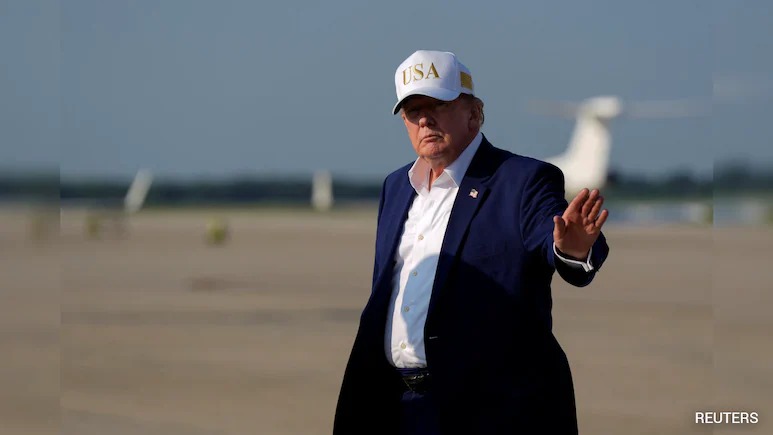
An unverified Israeli warning about an alleged Iranian plot against Trump reportedly triggered a secret jet switch in Turkey, highlighting heightened tensions and security concerns between Washington and Tehran.
US officials say Trump-Modi ties remain strong despite the dispute over India’s Russian oil purchases and tariffs. Both sides are expected to keep negotiating for a trade compromise.

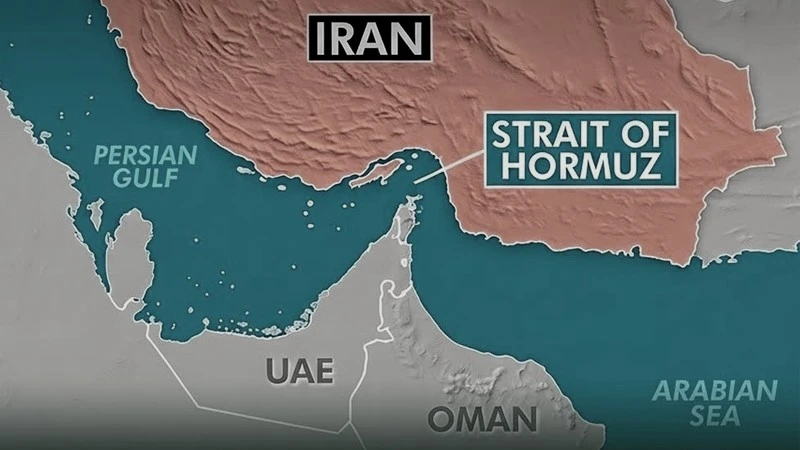
Iran, Oman and the U.S. are reportedly close to a Strait of Hormuz agreement tha...
.jpeg)
Fresh U.S. airstrikes in Iran reportedly killed 14 people, prompting Iranian ret...
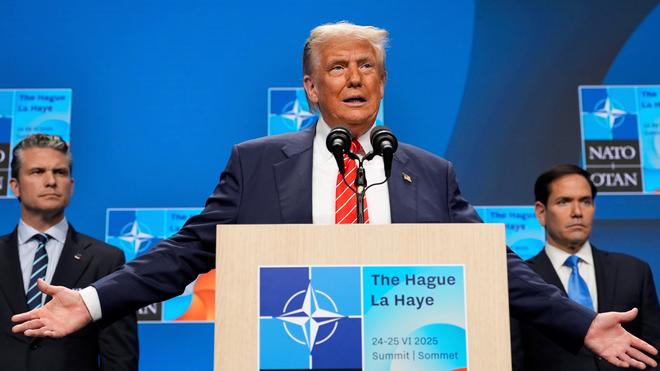
President Donald Trump claimed he is Iran’s “No. 1 target” after security measur...
.jpeg)
Three people were killed in U.S. strikes in western Iran as tensions escalated f...
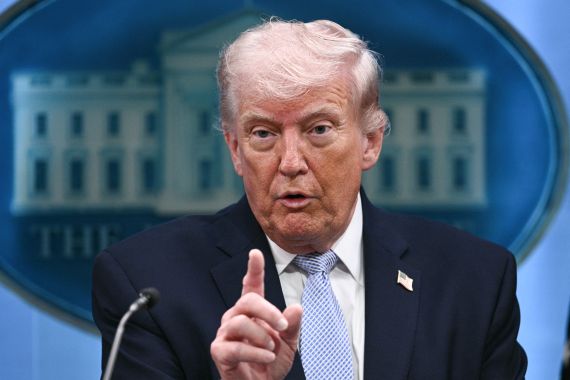
President Donald Trump said the Iran ceasefire is “over” following fresh U.S. st...