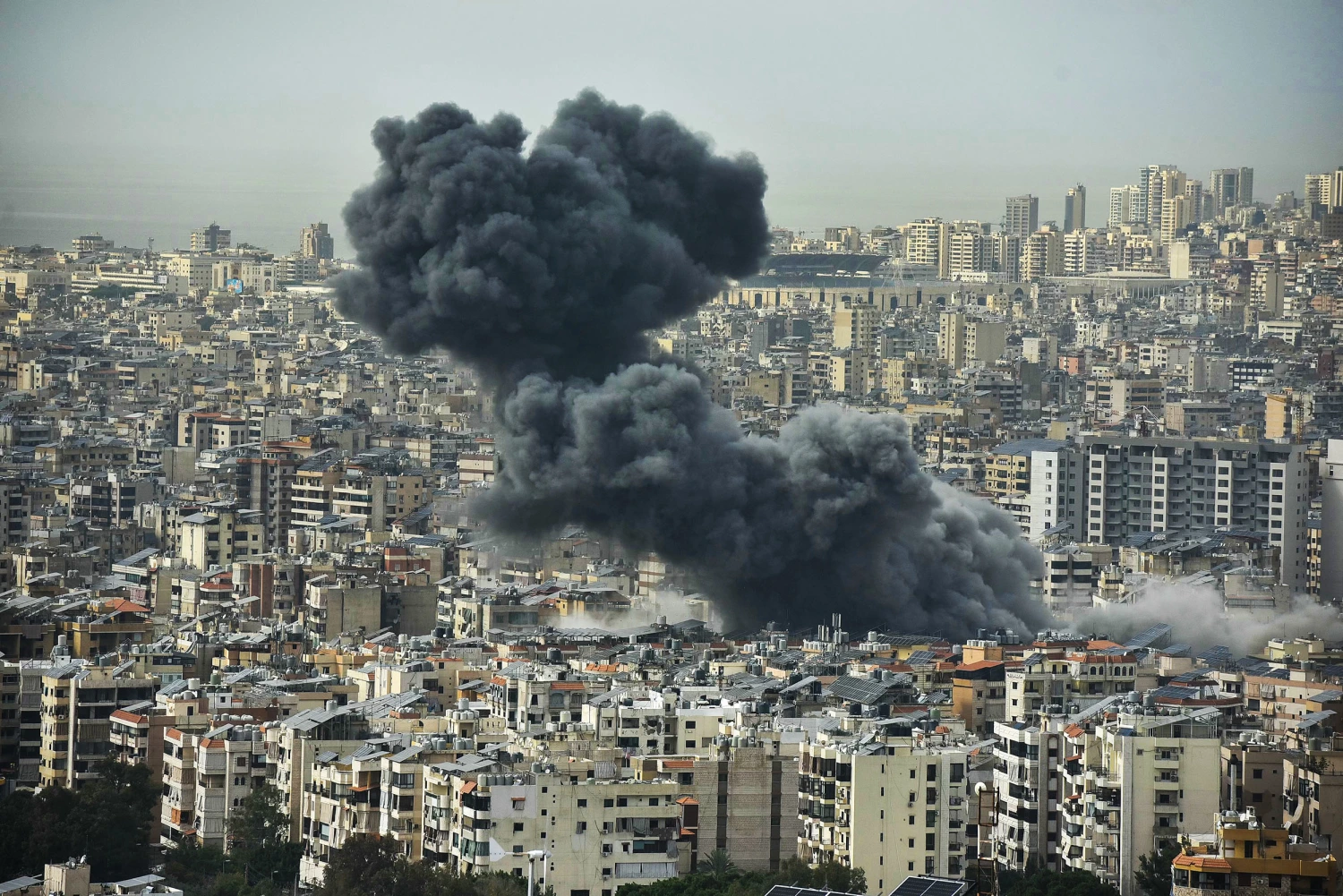
Swapna Kumbar , Bengaluru - Tensions in the Middle East surged again after Israel launched an airstrike on Beirut’s southern suburbs, marking the first attack on the Lebanese capital since the ceasefire with Hezbollah came into effect in April. Israeli officials said the operation targeted a senior commander from Hezbollah’s elite Radwan Force, while Lebanon condemned the strike as a dangerous escalation that threatens ongoing diplomatic efforts.
According to Israeli Prime Minister Benjamin Netanyahu and Defence Minister Israel Katz, the strike was intended to neutralize a Hezbollah commander believed to be operating in Beirut’s southern district, a known stronghold of the militant group. Israeli media reports claimed the targeted Radwan Force commander and several associates were killed, though Hezbollah had not officially confirmed the deaths at the time of reporting. Witnesses described heavy explosions, damaged buildings, and panic among civilians as smoke rose over the densely populated neighborhood.
The attack comes despite a US-brokered ceasefire announced on April 17 that temporarily halted major fighting between Israel and Hezbollah. However, clashes have continued in southern Lebanon, with both sides accusing each other of violating the truce. Lebanese authorities say more than 2,700 people have been killed since the conflict escalated earlier this year, while Hezbollah has continued launching rockets and drones toward Israeli positions near the border. Analysts warn the Beirut strike could further destabilize ongoing peace talks between Israel and Lebanon and complicate broader negotiations involving Iran, the US, and regional powers.
The latest strike on Beirut signals how fragile the ceasefire remains, with fears growing that the conflict could spiral into a broader regional war if diplomatic efforts fail. While international leaders continue pushing for restraint and renewed negotiations, civilians across Lebanon and northern Israel remain caught in the uncertainty of a conflict that shows few signs of fully ending.
.jpeg)
Trump cited India’s voter-ID system while backing the SAVE America Act, highlighting differences in voting rules between the two countries.
.jpeg)
A Russian missile strike hit Lakshmi Mittal-linked ArcelorMittal’s steel plant in Ukraine, killing two and injuring several others as the war escalates.
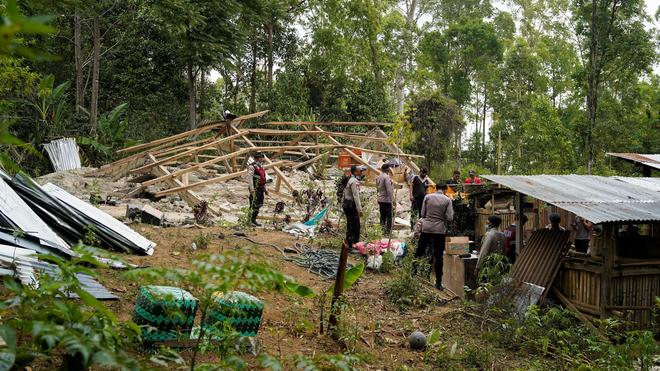
A powerful earthquake in Indonesia has killed 53 people and forced around 5,000 to evacuate, as aftershocks and landslides hamper rescue efforts.

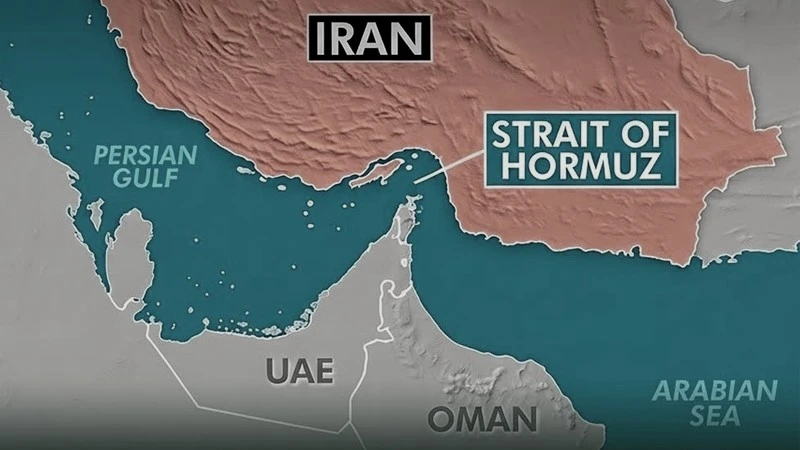
Iran, Oman and the U.S. are reportedly close to a Strait of Hormuz agreement tha...
.jpeg)
Fresh U.S. airstrikes in Iran reportedly killed 14 people, prompting Iranian ret...
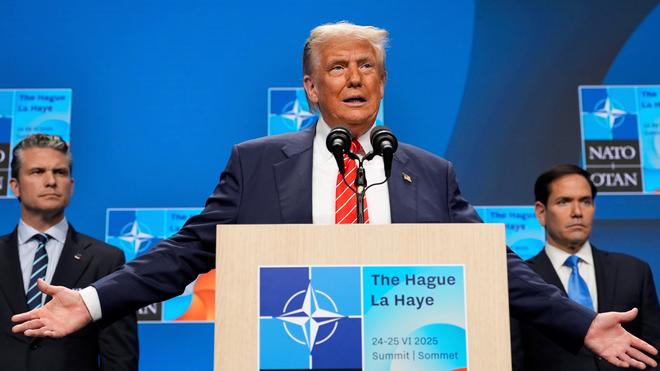
President Donald Trump claimed he is Iran’s “No. 1 target” after security measur...
.jpeg)
Three people were killed in U.S. strikes in western Iran as tensions escalated f...
President Donald Trump said the Iran ceasefire is “over” following fresh U.S. st...