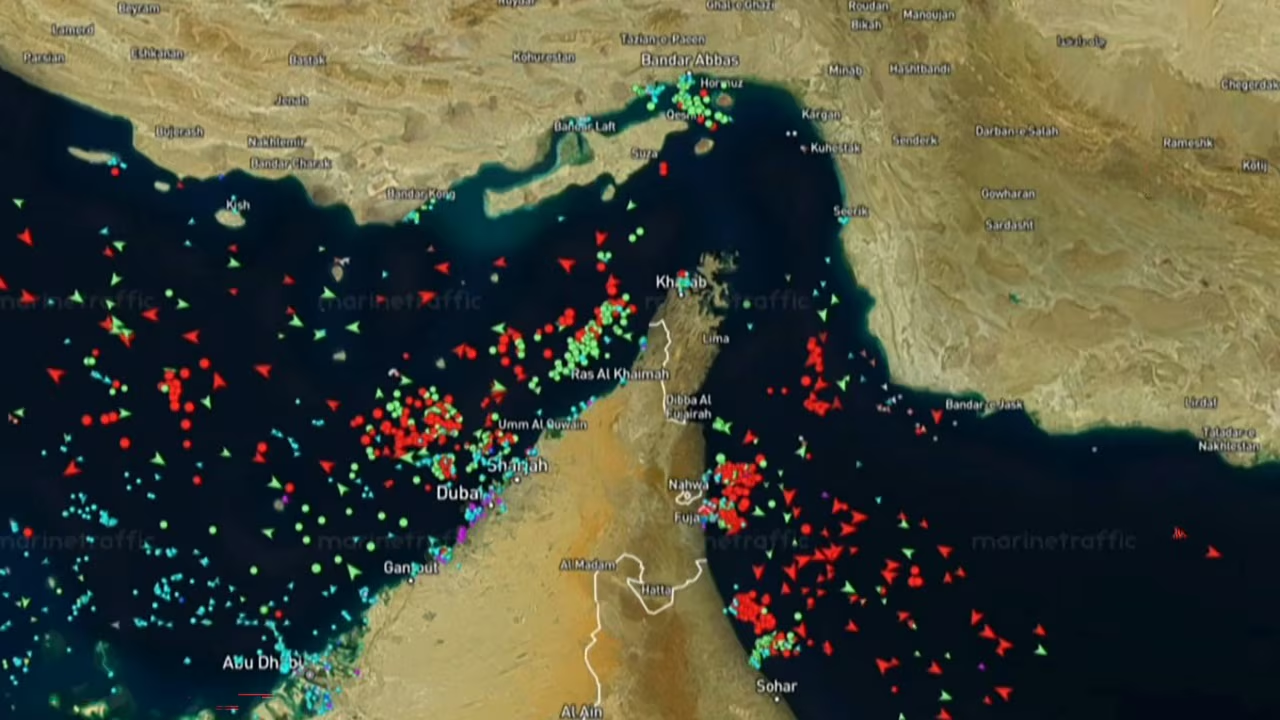
Swapna Kumbar , Bengaluru - Iran has intensified its control over the strategically vital Strait of Hormuz by declaring a new “controlled maritime zone” under a recently established regulatory body known as the Persian Gulf Strait Authority (PGSA). The move requires vessels crossing key sections of the strait to seek authorization and comply with Iranian transit regulations, raising global concerns over freedom of navigation, energy security, and the future of maritime trade in the Gulf region. The announcement comes during ongoing tensions linked to the Iran-US conflict and the continuing disruption of global oil shipments through the waterway.
According to Iranian officials, the newly created maritime zone will oversee shipping coordination, vessel authorization, and transit management across critical entry and exit routes in the Strait of Hormuz. Tehran says the system is necessary to maintain regional security and organize maritime movement amid military tensions and increased naval activity in the Gulf. Reports indicate that Iran’s Revolutionary Guard Corps (IRGC) will play a central role in monitoring and enforcing the new rules, while some ships may also face transit fees or additional inspections before receiving clearance. Iran claims at least 26 vessels crossed the strait under its coordination in the last 24 hours, though international verification remains limited.
The move has triggered concern among Western governments and shipping companies, many of which argue that Iran cannot legally impose restrictions on international transit through the strait under global maritime law. Analysts warn the new system could further complicate commercial shipping and worsen volatility in global energy markets, especially since nearly one-fifth of the world’s oil supply normally passes through Hormuz. The United States and European allies have previously warned shipping firms that payments or compliance arrangements linked to Iranian transit controls could expose them to sanctions risks. Despite the controversy, several oil tankers bound for China, India, and South Korea have reportedly continued passing through routes coordinated by Iranian authorities.
Iran’s latest move marks one of the most significant attempts in recent years to formalize control over the Strait of Hormuz, a waterway central to global trade and energy supplies. As diplomatic tensions continue and military uncertainty remains high, the future of shipping through Hormuz is likely to remain one of the world’s most closely watched geopolitical flashpoints.
.jpeg)
Trump cited India’s voter-ID system while backing the SAVE America Act, highlighting differences in voting rules between the two countries.
.jpeg)
A Russian missile strike hit Lakshmi Mittal-linked ArcelorMittal’s steel plant in Ukraine, killing two and injuring several others as the war escalates.

A powerful earthquake in Indonesia has killed 53 people and forced around 5,000 to evacuate, as aftershocks and landslides hamper rescue efforts.

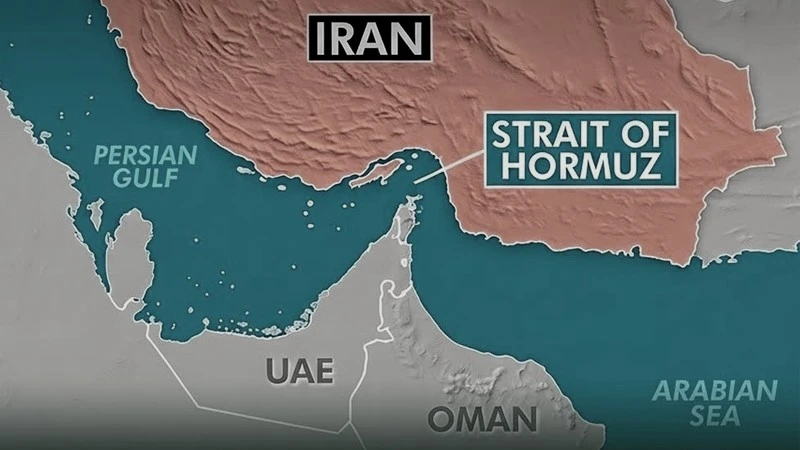
Iran, Oman and the U.S. are reportedly close to a Strait of Hormuz agreement tha...
.jpeg)
Fresh U.S. airstrikes in Iran reportedly killed 14 people, prompting Iranian ret...
President Donald Trump claimed he is Iran’s “No. 1 target” after security measur...
.jpeg)
Three people were killed in U.S. strikes in western Iran as tensions escalated f...
President Donald Trump said the Iran ceasefire is “over” following fresh U.S. st...